 Digital Team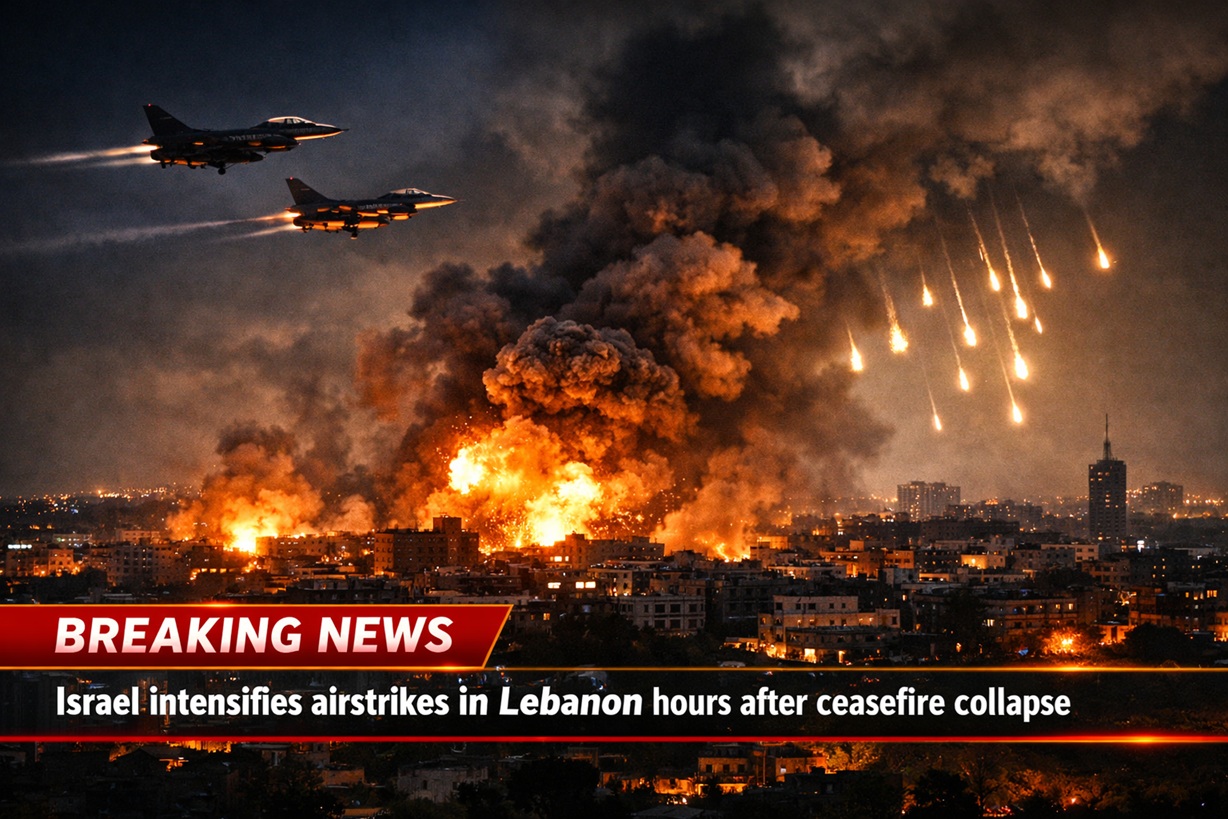
Israel launches massive Lebanon airstrikes within 24 hours of US-Iran ceasefire, raising tensions across the Middle East as Trump issues fresh warning to Iran.
In a dramatic escalation, Israel carried out intense Israel Lebanon airstrikes on April 8, 2026, just a day after a US-Iran ceasefire was announced. The strikes targeted over 100 locations in Lebanon, killing more than 200 people, as the fragile truce brokered with Iran rapidly unraveled.
Israel Lebanon Airstrikes Intensify After Ceasefire
The Israeli military confirmed it dropped 160 bombs within 10 minutes, striking strategic and militant-linked targets across Lebanon, including areas near Beirut.
Officials in Tel Aviv clarified that the ceasefire agreement applied strictly to Iran and did not include Lebanon. This distinction effectively allowed Israel to continue its military operations without violating the terms of the truce.
A senior Israeli defence official stated, “Our operations in Lebanon remain independent of any US-Iran understanding.”
US-Iran Ceasefire Collapse Within 24 Hours
The much-publicised US-Iran ceasefire—expected to last two weeks—collapsed almost immediately after it was declared.
Key Developments
- Iran accused mediators of misrepresenting the ceasefire scope
- Israel continued strikes, escalating regional tensions
- Iran responded by tightening control over the Strait of Hormuz, a critical global oil route
The collapse underscores the fragility of diplomatic efforts in the region, especially when key stakeholders are excluded.
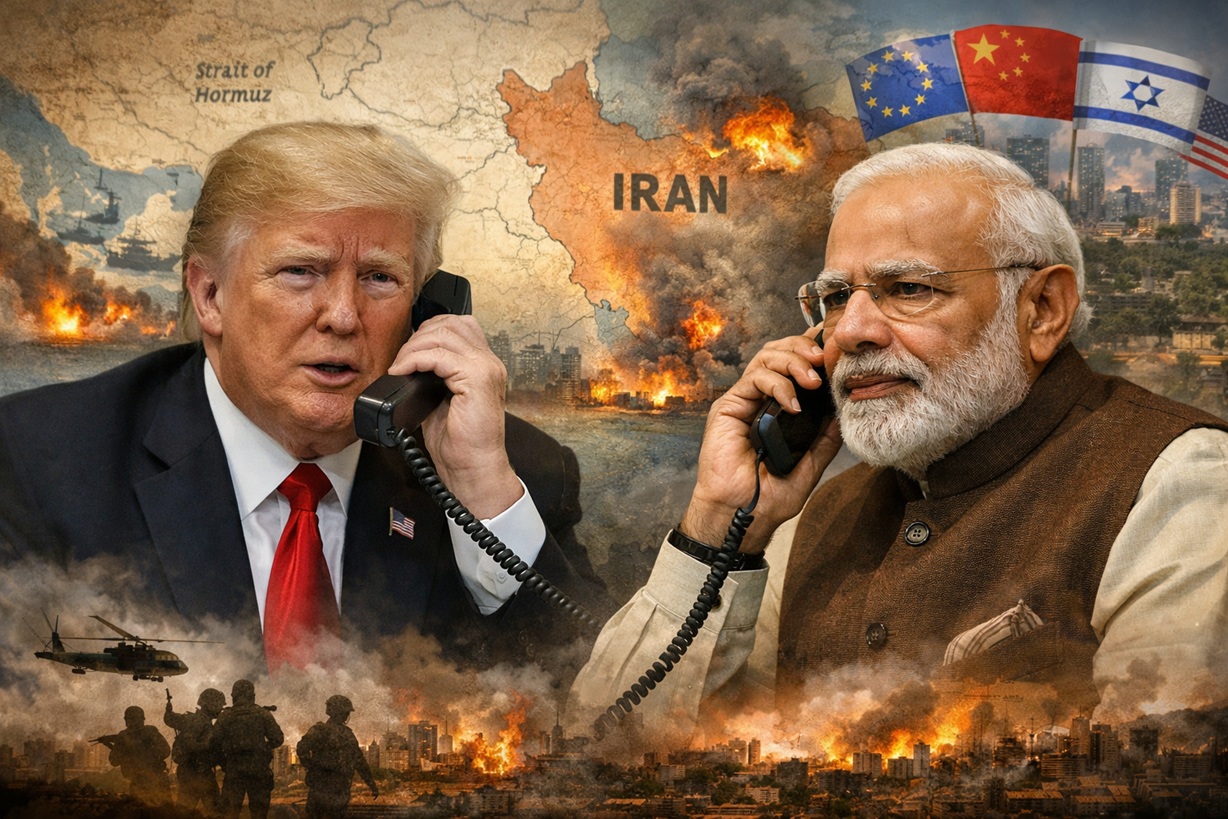
Donald Trump Issues Fresh Warning to Iran
Donald Trump warned Iran of severe consequences if it continued nuclear activities or disrupted maritime trade routes.
He stated that the US military would remain deployed in the region and threatened action “like never before” if Iran escalated tensions further.
The remarks signal a hardening US stance amid rising geopolitical instability.
Pakistan’s Role Under Scrutiny in Ceasefire Talks
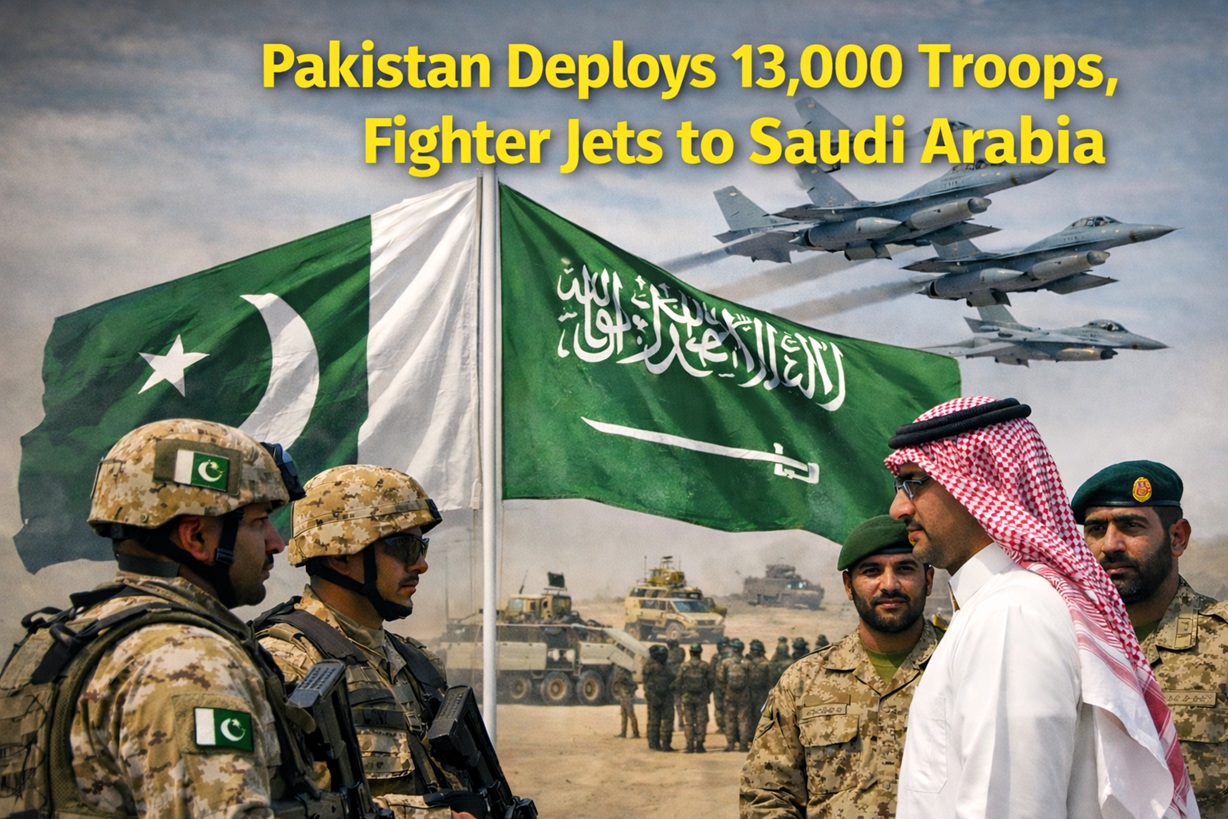
Pakistan, which reportedly acted as a mediator, is now facing criticism for its handling of the ceasefire negotiations.
Allegations Against Mediation Process
- Claims of a pre-drafted ceasefire proposal originating from the US
- Reports suggesting communication gaps between parties
- Confusion over whether Lebanon was included in the agreement
While these claims remain unverified, diplomatic observers say miscommunication may have contributed significantly to the deal’s rapid collapse.
Why the Middle East Ceasefire Failed
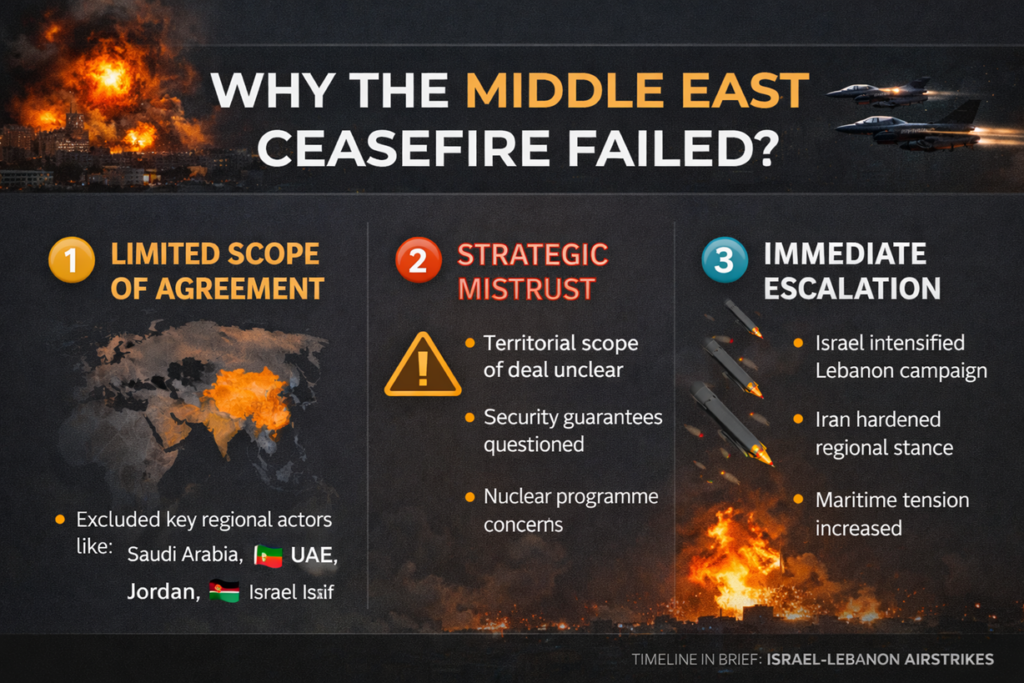
1. Limited Scope of Agreement
The ceasefire excluded key regional actors such as:
- Saudi Arabia
- United Arab Emirates
- Jordan
- Israel itself
Experts argue that any sustainable peace framework must involve all major stakeholders.
2. Strategic Mistrust
Iran’s reaction suggests a breakdown in trust, particularly regarding:
- Territorial scope of ceasefire
- Security guarantees
- Nuclear programme commitments
3. Immediate Military Escalation
Instead of de-escalation:
- Israel intensified its Lebanon campaign
- Iran hardened its geopolitical posture
- Maritime tensions increased in global oil routes
Geopolitical Impact of Israel Lebanon Airstrikes
The renewed violence threatens to destabilise the broader Middle East.
Key Concerns
- Global oil supply disruptions via Strait of Hormuz
- Expansion of conflict beyond Lebanon
- Increased US military involvement
International observers warn that continued escalation could trigger a wider regional conflict.
What Lies Ahead After Israel Lebanon Airstrikes
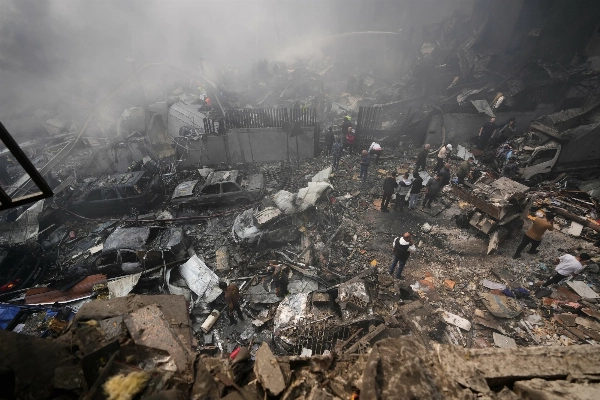
The Israel Lebanon airstrikes have effectively derailed early hopes of de-escalation following the US-Iran ceasefire. With rising mistrust, conflicting narratives, and continued military action, the region appears headed for prolonged instability.
Experts stress that any future ceasefire must include all regional powers and ensure clarity in terms to avoid another rapid collapse. For now, the Middle East remains on edge as diplomatic efforts struggle to keep pace with military realities.
FAQs
Q: Why did Israel continue airstrikes after the ceasefire?
A: Israel stated the ceasefire applied only to Iran, not its operations in Lebanon.
Q: What caused the US-Iran ceasefire to collapse?
A: Miscommunication, exclusion of key players, and immediate military actions contributed.
Q: How did Iran respond to the situation?
A: Iran tightened control over the Strait of Hormuz and continued its nuclear programme.
Q: What role did Pakistan play in the ceasefire?
A: Pakistan reportedly acted as a mediator but faces criticism over communication gaps.
Q: What is the global impact of this conflict?
A: It risks disrupting oil supplies and escalating into a wider Middle East conflict.
References