 Digital Team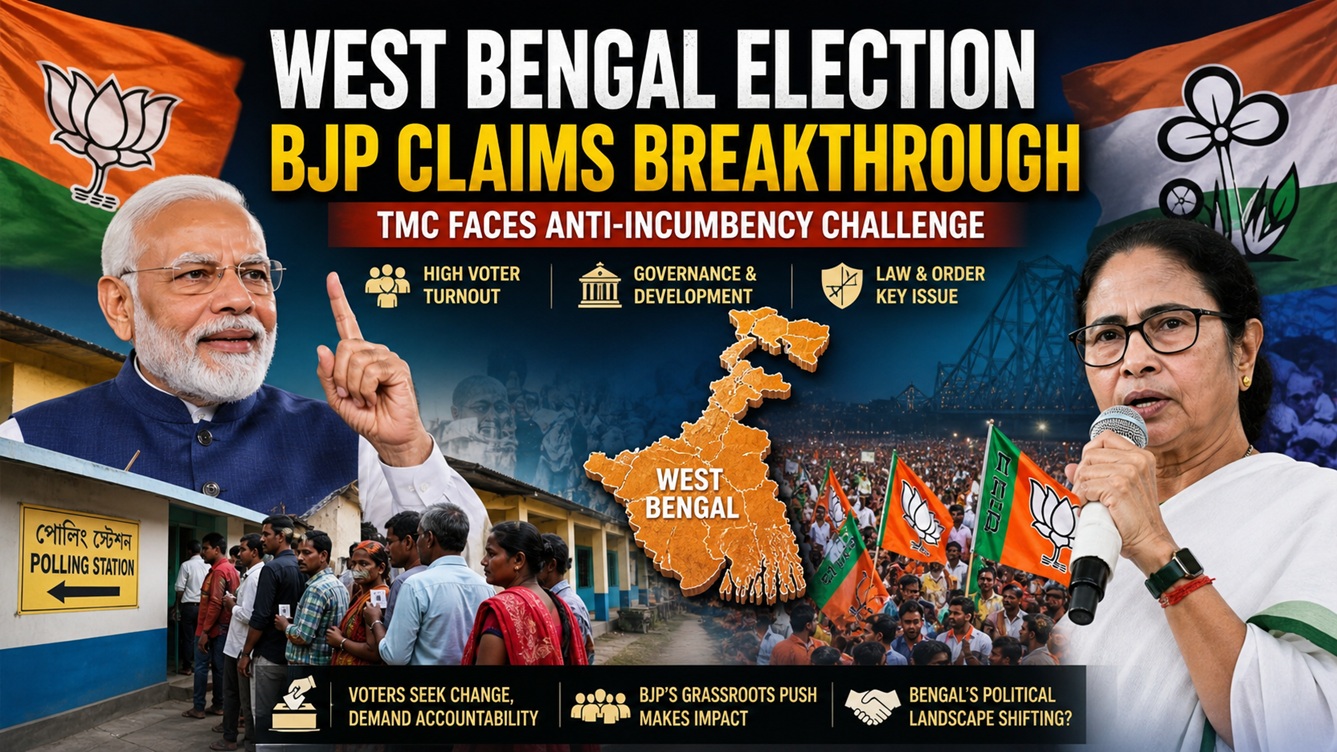
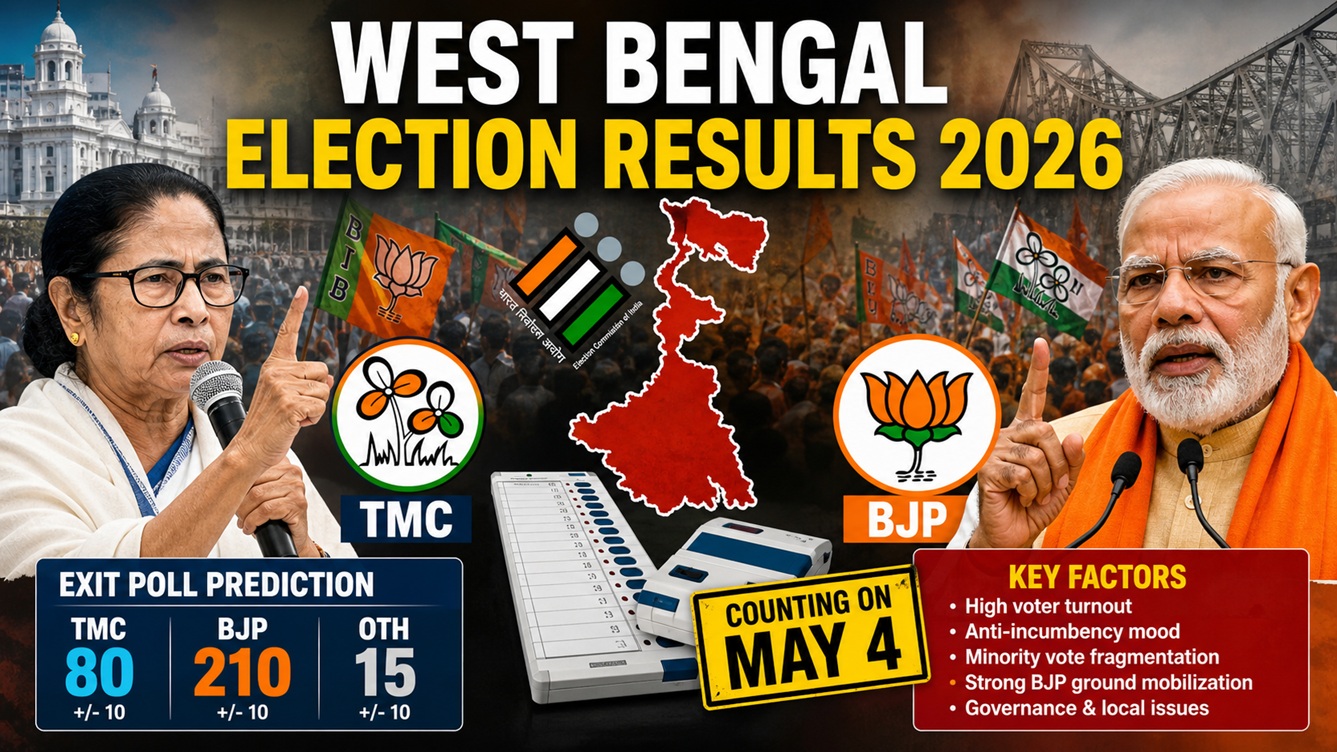
West Bengal Election: Early political narratives suggest a shift in voter sentiment in West Bengal, with the BJP projecting gains amid allegations of anti-incumbency against the Trinamool Congress.
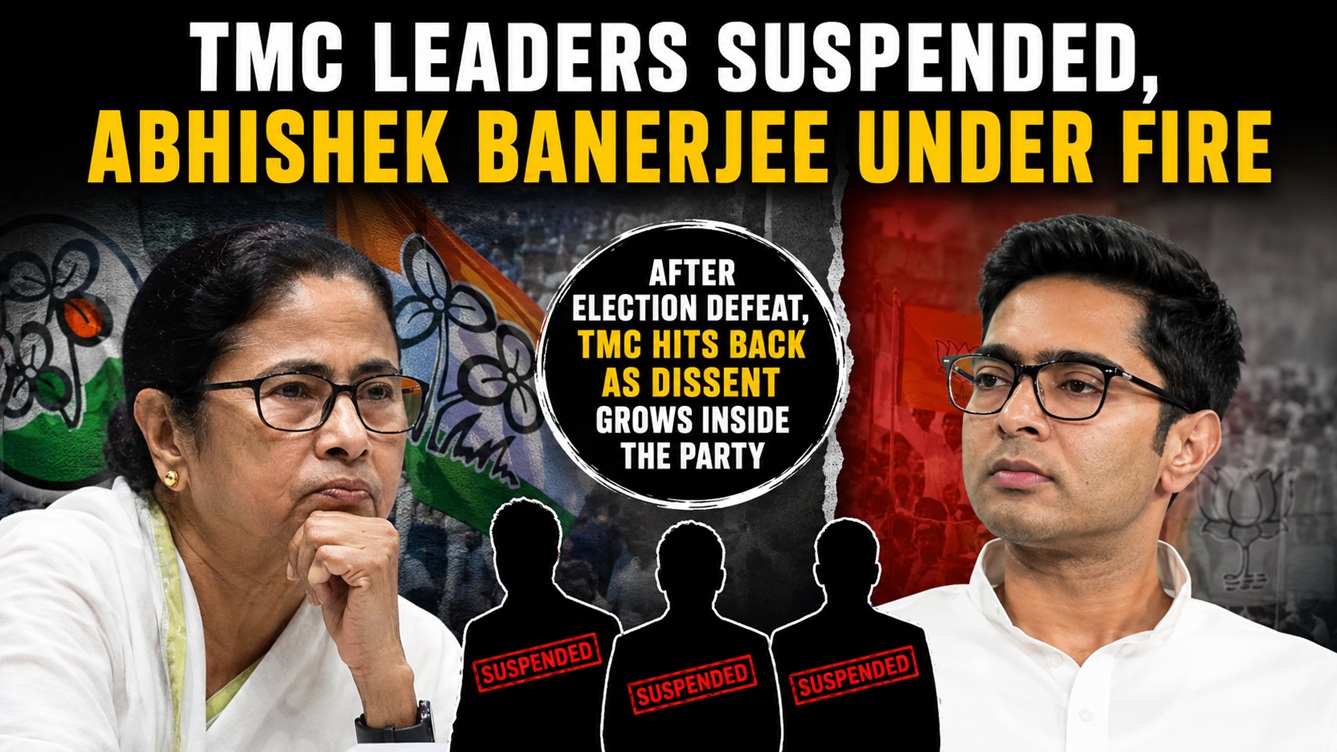
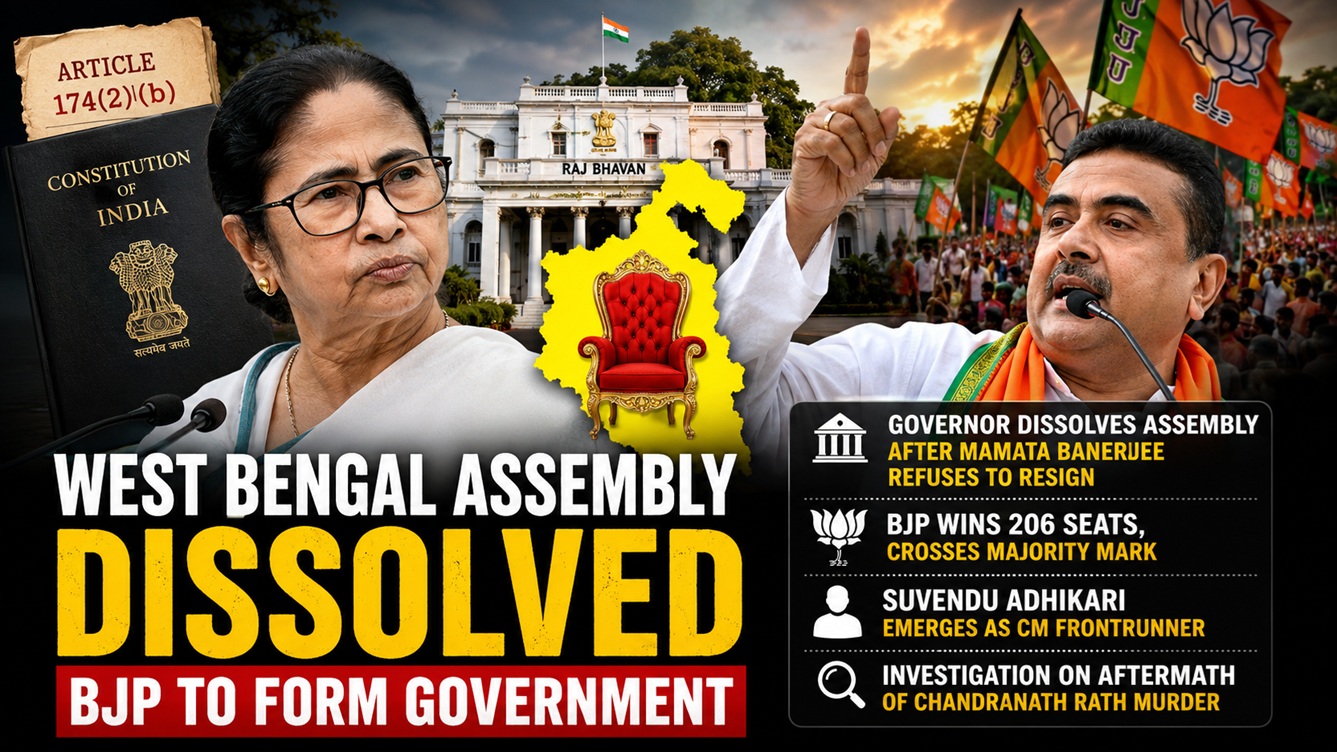
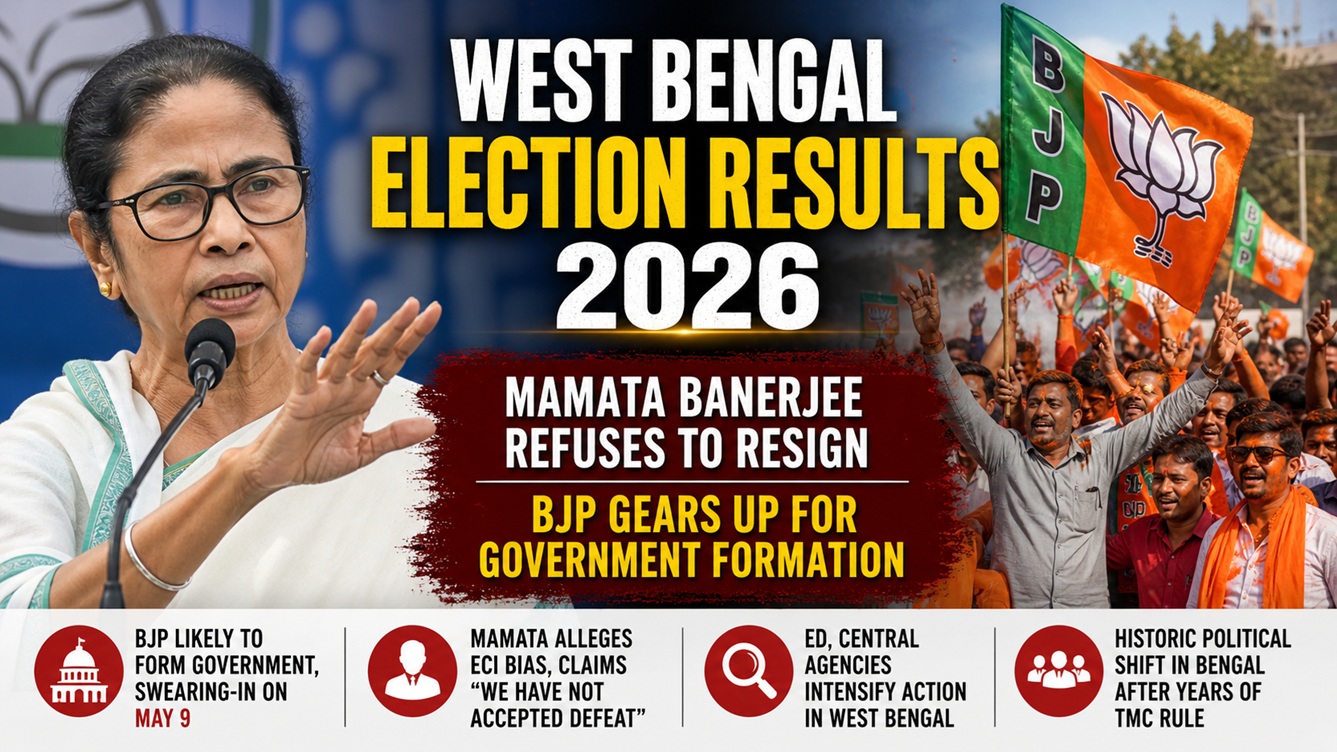
In a politically charged development, the Bharatiya Janata Party (BJP) has claimed a significant electoral breakthrough in West Bengal, challenging the dominance of Mamata Banerjee and her party, the All India Trinamool Congress (TMC). While official confirmations remain awaited, early narratives point to anti-incumbency, governance concerns, and shifting voter priorities.
West Bengal Election Results Signal Political Shift
The West Bengal election has once again emerged as a high-stakes political battleground, drawing national attention. Initial claims by BJP leaders suggest that voters have responded to issues such as governance, corruption, and local administrative challenges.
However, it is important to note that these claims are part of political narratives and require verification through official Election Commission data.
Key Highlights
- BJP projects strong performance across multiple regions
- TMC faces allegations of anti-incumbency after over a decade in power
- Campaigns centred on governance, welfare delivery, and law and order
- High voter turnout indicates strong public engagement
Anti-Incumbency and Governance Concerns
Political analysts indicate that anti-incumbency may have played a role in shaping voter sentiment. Over the years, opposition parties have raised concerns over:
- Alleged “cut money” practices
- Localised syndicate networks
- Administrative inefficiencies
- Infrastructure and civic issues
The TMC, however, has consistently denied these allegations, highlighting its welfare schemes and grassroots governance model.
BJP’s Campaign Strategy in West Bengal Election
The BJP’s campaign in the West Bengal election focused heavily on organisational outreach and grassroots mobilisation.
Key Campaign Elements
- Extensive booth-level engagement
- Localised messaging in Bengali
- Focus on central welfare schemes
- Emphasis on law and order
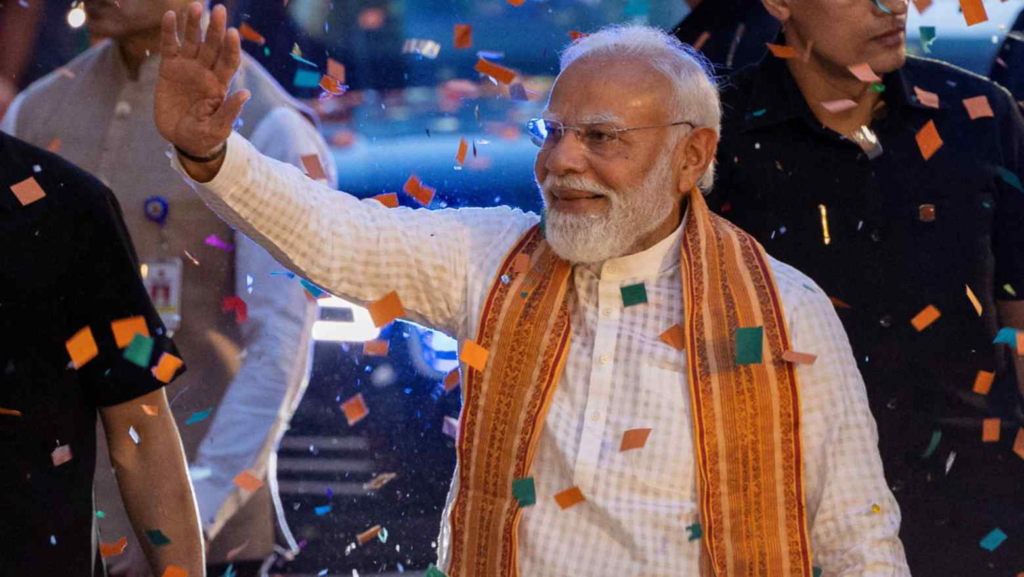
Prime Minister Narendra Modi played a central role in campaigning, positioning governance and development as key themes.
Role of Women and Youth Voters
Women and young voters are believed to have been significant factors in this election cycle.
Emerging Voter Priorities
- Safety and law enforcement
- Employment opportunities
- Education and healthcare access
- Urban infrastructure
Urban centres, in particular, showed heightened political engagement, reflecting evolving electoral priorities.
Identity Politics vs Development Narrative
A recurring theme in West Bengal politics has been the balance between identity-based mobilisation and development-driven governance.
While the TMC has historically leveraged regional identity narratives, the BJP attempted to counter this with a broader development agenda and national integration messaging.
Historical Context of West Bengal Politics
West Bengal has witnessed multiple political transitions:
| Period | Dominant Party |
| 1977–2011 | Left Front |
| 2011–Present | TMC |
The current election could mark another significant turning point, depending on final results.
What Lies Ahead for West Bengal
If BJP’s claims are reflected in official results, it could reshape the political landscape of the state. However, governance challenges, coalition dynamics, and administrative execution will determine the long-term impact.
The TMC, on the other hand, may reassess its strategy, focusing on organisational restructuring and voter outreach.
The West Bengal election underscores the evolving dynamics of Indian politics, where governance, grassroots mobilisation, and voter expectations play decisive roles. While BJP’s claims of a breakthrough signal a potential shift, the final outcome and its implications will depend on verified results and subsequent governance performance.
FAQ Section
Q1: What is the current status of the West Bengal election results?
A: Official results are awaited; current narratives are based on political claims and early trends.
Q2: Why is the West Bengal election significant?
A: It is a key battleground influencing national political dynamics.
Q3: What issues influenced voters in West Bengal?
A: Governance, infrastructure, law and order, and welfare delivery were major factors.
Q4: Who are the main parties in West Bengal politics?
A: The BJP and TMC are the main parties in the state.
Q5: What role did Prime Minister Narendra Modi play?
A: He led major campaign efforts focusing on development and governance.
References
- Indian Express – “Why the BJP Won West Bengal: Identity and Anti‑Incumbency”
https://indianexpress.com/article/opinion/columns/west-bengal-election-mamata-modi-tmc-bjp-hindu-muslim-sir-jobs-10671867/ - New Indian Express – “BJP’s ‘infiltration, corruption and appeasement’ plank drives West Bengal campaign” (covers BJP’s anti‑incumbency narrative against TMC)
https://www.newindianexpress.com/amp/story/elections/west-bengal-elections/2026/May/04/bjps-infiltration-corruption-and-appeasem - Hindustan Times – “West Bengal polls: Will SIR undercut anti‑incumbency against TMC?” (analysis of SIR vs anti‑incumbency as key factors)
https://www.hindustantimes.com/india-news/west-bengal-polls-will-sir-undercut-anti-incumbency-against-tmc-101776057881537.html - The Times of India – “In West Bengal, the real battle is between SIR & anti‑incumbency”
https://timesofindia.indiatimes.com/india/in-west-bengal-the-real-battle-is-between-sir-anti-incumbency/articleshow/130380727.cms - NDTV – “Election Results 2026 LIVE Updates: ‘Bengal Has Seen Poriborton’” (shows BJP claiming breakthrough and TMC’s anti‑incumbency challenge)
https://www.ndtv.com/india-news/election-results-2026-live-updates-west-bengal-tamil-nadu-kerala-assam-puducherry-vote-counting