 Digital Team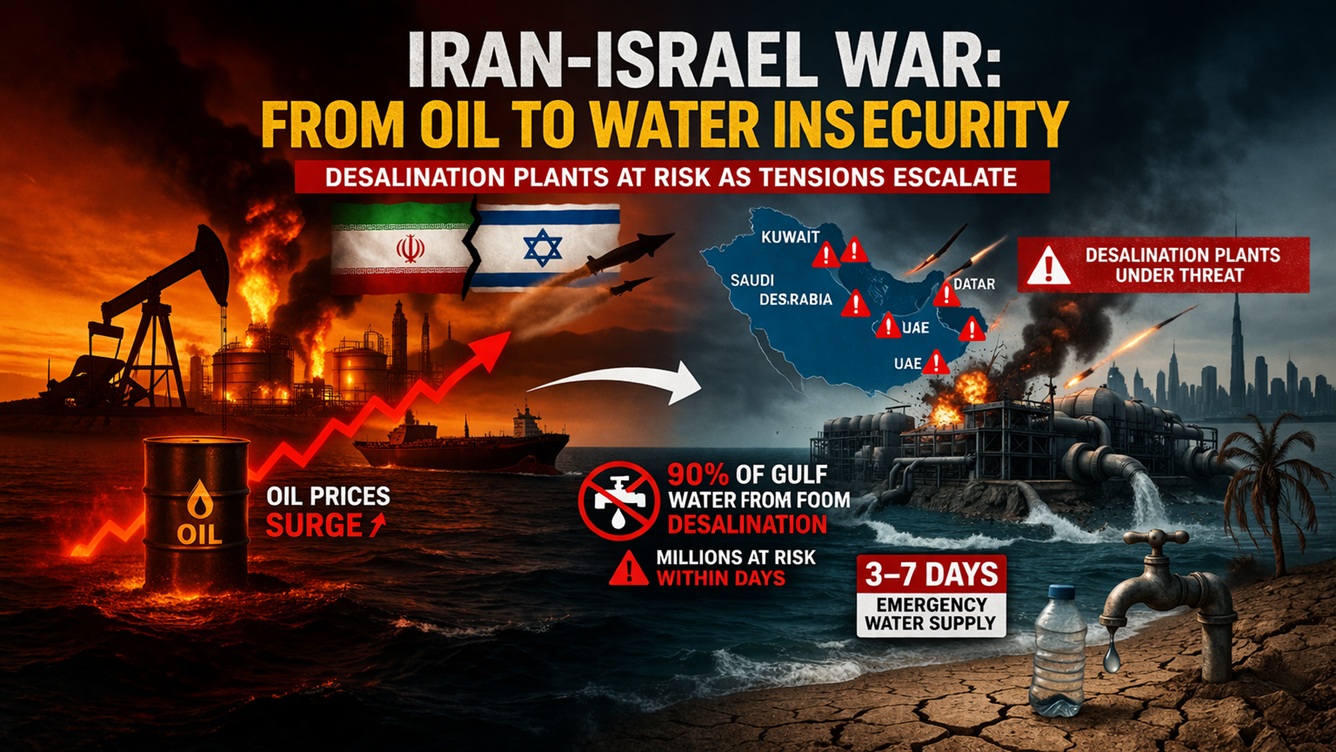
Desalination plants emerge as critical targets as US-Iran tensions escalate, raising fears of a humanitarian crisis in the Gulf region
The ongoing Iran-Israel conflict, now in its fourth week, is rapidly escalating into a broader crisis as threats shift toward Gulf water security. With the United States issuing ultimatums and Iran warning of retaliation against desalination infrastructure, experts caution that millions across the UAE and GCC nations could face acute water shortages within days.
Gulf Water Security at Risk Amid Iran-Israel Conflict
The focus keyword Gulf water security has become central to the evolving geopolitical crisis. While initial attacks targeted military and energy assets, the conflict has now exposed a far more fragile and critical vulnerability—water supply systems.
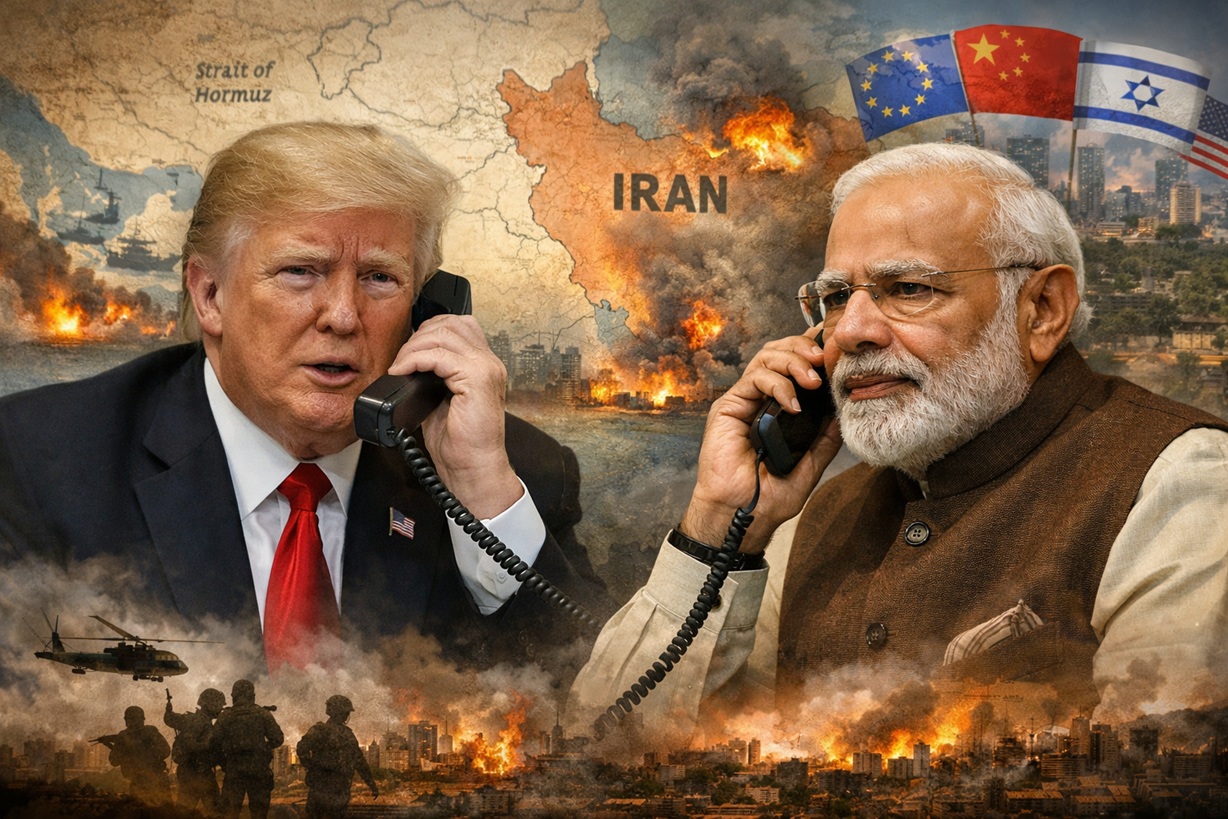
US President Donald Trump’s ultimatum on March 21 demanding Iran reopen the Strait of Hormuz within 48 hours has intensified tensions. Iran responded with a stark warning, threatening retaliation against “fuel, energy, IT, and desalination infrastructure” across US-aligned nations.
This escalation signals a dangerous shift from conventional warfare to infrastructure targeting, raising alarms across international agencies.
Why Water Is the New Strategic Target
Heavy dependence on desalination
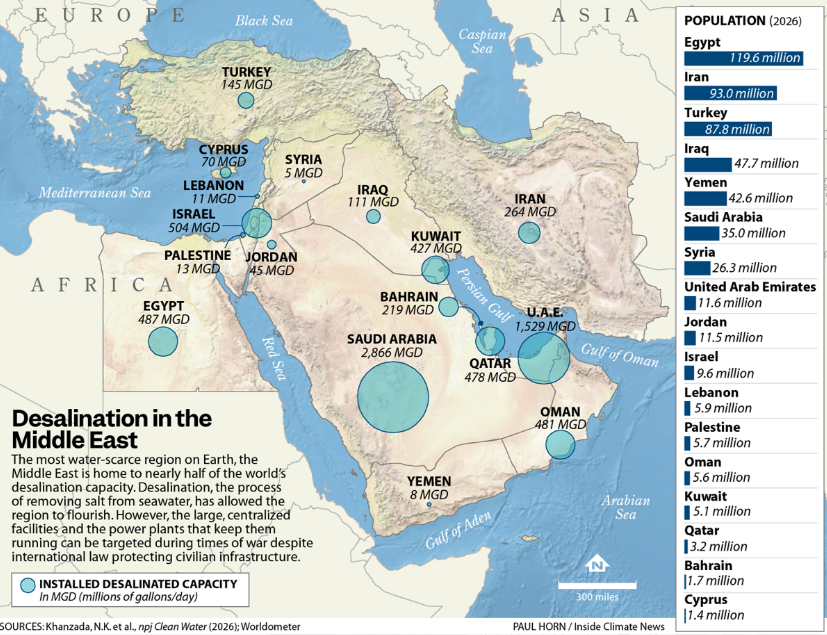
The Gulf region is one of the most water-scarce areas in the world. Countries depend heavily on desalination plants to convert seawater into drinking water.
- Kuwait: ~90% of water from desalination
- Saudi Arabia: ~70%
- UAE: ~42%
- Qatar: Nearly 100%
Urban centres like Dubai and Abu Dhabi depend almost entirely on desalinated water for drinking purposes. This dependence makes desalination infrastructure a critical lifeline—and a highly vulnerable target.
The co-generation vulnerability
Most desalination plants in the region operate as co-generation facilities, producing both electricity and water. This creates a dual vulnerability:
- A strike on power infrastructure disrupts water production
- Any grid failure halts desalination instantly
Experts describe this as a “single point of failure” in Gulf water security.
Recent Attacks Highlight Growing Risks
Direct and indirect strikes reported
Several incidents underline the rising threat:
- March 8: Bahrain reported drone damage to a desalination facility
- Iran accused the US of striking a desalination plant on Qeshm Island
- Missile debris landed near UAE’s Fujairah and Jebel Ali infrastructure
Though operations continued, these incidents exposed the physical vulnerability of critical water systems.
The ‘Three-Day’ Water Crisis Scenario
Limited emergency reserves
Unlike oil, water cannot be stockpiled extensively. Most Gulf cities maintain only:
- 3–5 days of emergency water storage
This creates a narrow survival window if desalination plants are disrupted.
Infrastructure fragility
Key components such as:
- High-pressure pumps
- Specialized filtration membranes
are difficult to replace and could take weeks or months to repair after damage.
Potential mass evacuations
Intelligence assessments suggest that if major plants are disabled:
- Cities like Dubai or Riyadh could face evacuation within a week
- Risks include dehydration, disease outbreaks, and social instability
Geopolitical and Economic Fallout
Violation of international law
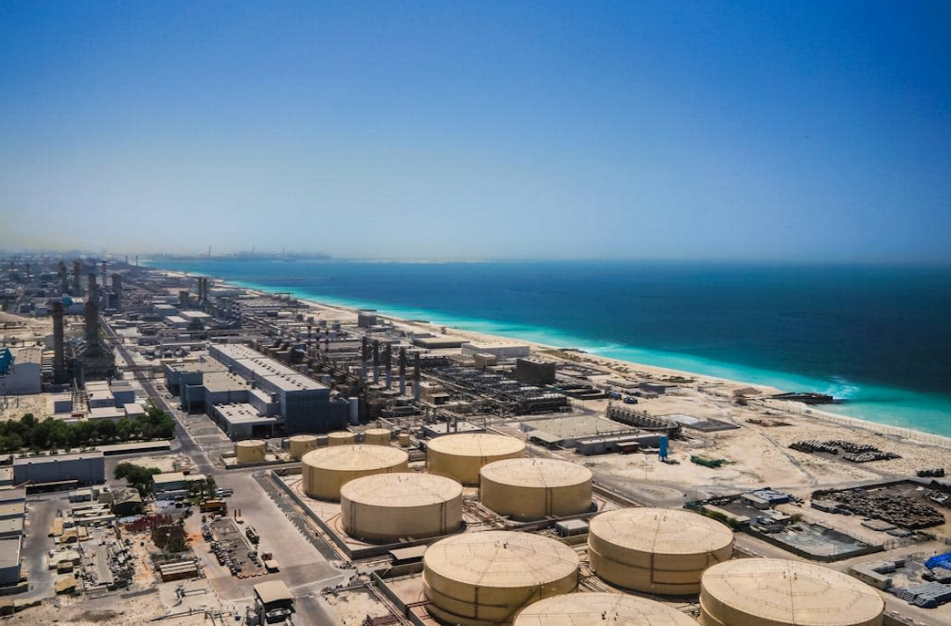
Targeting water infrastructure is widely considered a violation of the Geneva Conventions, as it affects civilian survival.
Strategic pressure tactic
Analysts believe Iran’s threats may aim to:
- Undermine trust in US security guarantees
- Demonstrate vulnerability of Gulf monarchies
Global market impact
The crisis has already triggered:
- Brent crude prices exceeding $105 per barrel
- Increased volatility in global energy markets
Cybersecurity risks
Beyond physical attacks, experts warn of:
- Cyberattacks on Industrial Control Systems (ICS)
- Potential contamination or shutdown of water plants remotely
Temporary Pause, But No Resolution
While the US has announced a five-day pause in planned strikes to allow diplomatic engagement, tensions remain high. Iran has refused to reopen the Strait of Hormuz without security guarantees.
This standoff keeps Gulf water security under constant threat, with millions of lives hanging in the balance.
Conclusion: Gulf Water Security Crisis Could Escalate Fast
The Iran-Israel conflict has transformed into a multidimensional crisis, with Gulf water security emerging as a critical front. Any sustained disruption to desalination infrastructure could trigger a humanitarian disaster affecting over 60 million people within days.
As diplomatic efforts continue, the region faces an urgent question: can essential civilian infrastructure remain insulated from war? The answer will determine not just the outcome of the conflict, but the survival of millions.
FAQs
Q1: Why is Gulf water security at risk?
A: Heavy reliance on desalination makes Gulf nations vulnerable to infrastructure attacks.
Q2: How dependent is the UAE on desalination?
A: Around 42–50% of total water demand comes from desalination.
Q3: What happens if desalination plants are attacked?
A: Cities could face water shortages within 3–5 days, leading to severe humanitarian crises.
Q4: Are water infrastructure attacks legal in war?
A: No, targeting civilian water systems violates international law.
Q5: Can cyberattacks affect water supply?
A: Yes, cyberattacks on control systems can shut down or contaminate water plants.
References
AP News: “Oil built the Persian Gulf. Desalinated water keeps it alive. War could threaten both” — https://apnews.com/article/iran-war-desalination-water-oil-middle-east-12b23f2fa26ed5c4a10f80c4077e61ce
(Directly discusses desalination plants becoming at risk, attacks reported, and the humanitarian/water crisis potential over oil.)The New York Times: “War in Iran Has Put Middle East Water Supplies at Risk” — https://www.nytimes.com/interactive/2026/03/14/climate/iran-war-water-supply-desalination.html
(Interactive piece on damaged desalination plants, vulnerability, and fears for millions in the region.)Al Jazeera: “How targeting of desalination plants could disrupt water supply in the Gulf” — https://www.aljazeera.com/news/2026/3/8/how-targeting-of-desalination-plants-could-disrupt-water-supply-in-the-gulf
(Explains the risk to Gulf water security from targeting these critical facilities amid the war.)Times of India: “After oil, war of water? Why desalination plants are turning into targets in Middle East – explained” — https://timesofindia.indiatimes.com/world/middle-east/after-oil-war-of-water-why-desalination-plants-are-turning-into-targets-in-middle-east-explained/articleshow/129334653.cms
(Covers the emergence of desalination as targets and shift from oil-focused conflict.)