 Digital Team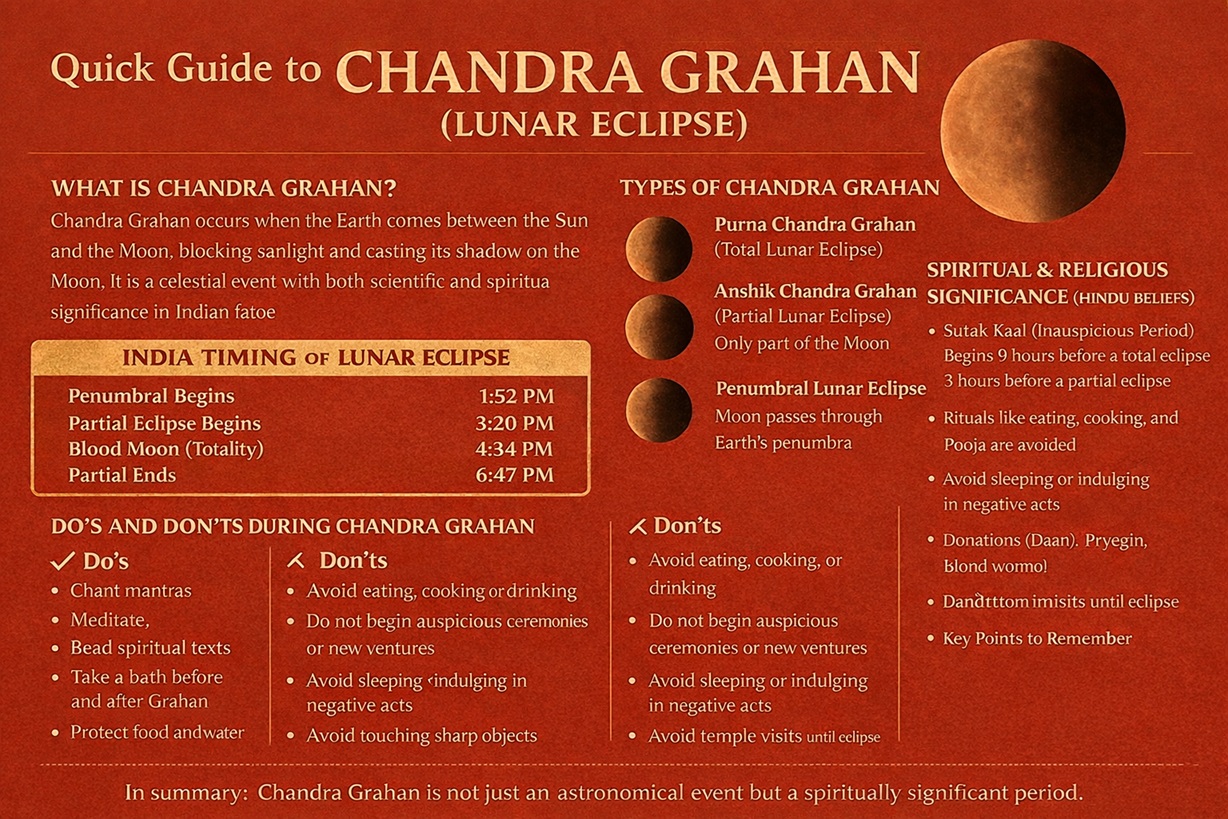
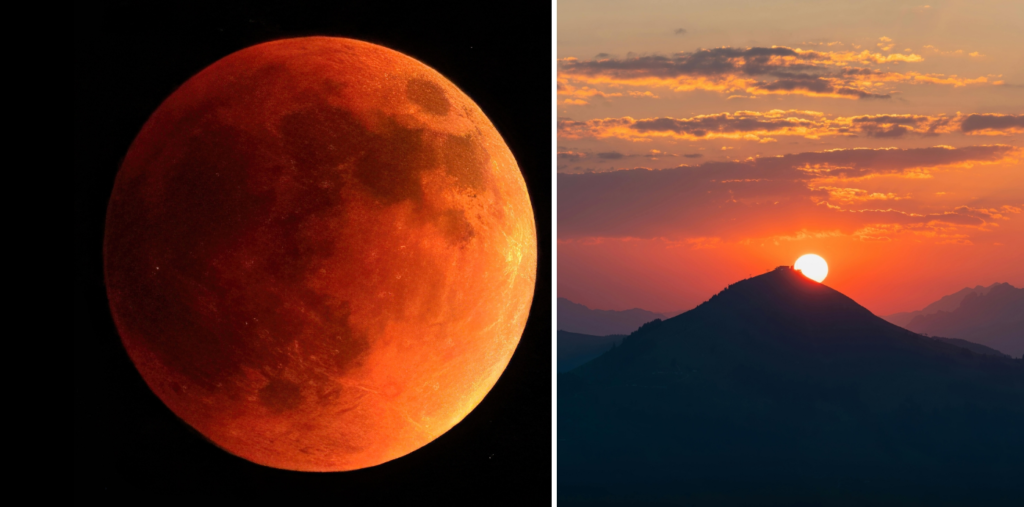
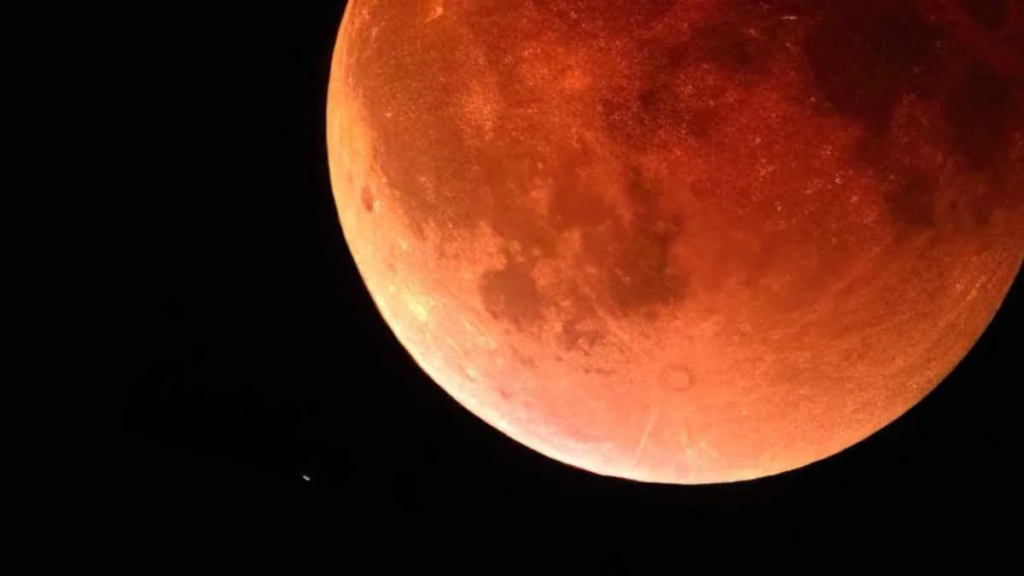
India will witness the Chandra Grahan 2026—the year’s first Total Lunar Eclipse—on Tuesday, March 3, coinciding with Holi (Holika Dahan). The rare celestial event, popularly called a Blood Moon, will turn the Moon reddish as it passes through Earth’s umbra. While the eclipse begins in the afternoon, most Indian cities will see only the final phase during moonrise.
Chandra Grahan 2026: Timing & Visibility in India
The Chandra Grahan 2026 begins with the penumbral phase at 1:52 PM IST and reaches maximum eclipse at 5:03 PM IST. However, visibility across India varies because the Moon rises while the eclipse is already underway.
🌙 Lunar Eclipse Timings (IST)
| Event Phase | Time |
| Penumbral Eclipse Begins | 1:52 PM |
| Partial Eclipse Begins | 3:20 PM |
| Totality Begins (Blood Moon) | 4:34 PM |
| Maximum Eclipse | 5:03 PM |
| Totality Ends | 5:33 PM |
| Partial Eclipse Ends | 6:47 PM |
Best Visibility: Northeastern states including Assam, Arunachal Pradesh, and West Bengal.
Moonrise Eclipse: Delhi, Mumbai, Bengaluru and several other cities will witness a brief 10–25 minute view before the eclipse concludes at 6:47 PM.
Astronomy experts note that lunar eclipses are safe to watch without protective eyewear, unlike solar eclipses.
Why Chandra Grahan 2026 Is Significant This Year
The Chandra Grahan 2026 coincides with Holika Dahan, adding spiritual and cultural significance. In Hindu tradition, eclipses are considered spiritually potent periods.
Many temples across India are expected to remain closed during the eclipse window, following customary practices.
Sutak Kaal During Chandra Grahan 2026
The Sutak Kaal—a period of ritual abstinence—begins hours before the eclipse.
- Sutak Begins: 6:23 AM (March 3)
- Sutak Ends: 6:47 PM
According to traditional beliefs, auspicious activities are avoided during this time.
Do’s and Don’ts During Chandra Grahan 2026
✅ Traditional Practices
- Chanting & Meditation: Recite Mahamrityunjaya Mantra or Chandra Beej Mantra.
- Food Protection: Place Tulsi leaves in stored food and water.
- Charity: Donate white items such as rice, milk, or clothing after the eclipse.
- Purification Ritual: Bathe and cleanse home altar after 6:47 PM.
❌ Precautions
- Avoid cooking or eating heavy meals during Sutak (exceptions for elderly, children, sick).
- Do not begin new ventures or marriage rituals.
- Pregnant women are traditionally advised to avoid sharp objects.
- Avoid temple visits until eclipse concludes.
Scientific Explanation: What Causes a Blood Moon?
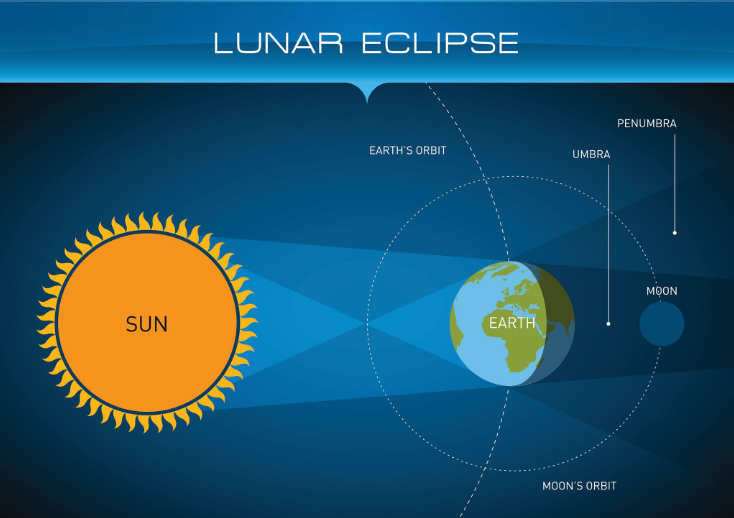
A Total Lunar Eclipse occurs when Earth comes between the Sun and Moon, casting a shadow that filters sunlight. The red hue appears due to Rayleigh scattering—similar to sunsets.
Unlike solar eclipses, the Chandra Grahan 2026 is completely safe to observe with the naked eye. Experts recommend finding a clear eastern horizon near sunset for best viewing.
What Happens Next?
The Chandra Grahan 2026 marks the first major celestial event of the year. Astronomers indicate that more eclipses will follow later in 2026, including a solar eclipse.
With Holi festivities and the Blood Moon aligning, skywatchers and devotees alike are preparing for a spiritually and astronomically significant evening.
FAQs on Chandra Grahan 2026
Q: Is Chandra Grahan 2026 visible in India?
A: Yes, but most cities will see only the final phase during moonrise.
Q: Is it safe to watch the lunar eclipse with naked eyes?
A: Yes, a lunar eclipse is completely safe to observe.
Q: When does Sutak Kaal start for Chandra Grahan 2026?
A: Sutak begins at 6:23 AM and ends at 6:47 PM.
Q: Why is it called a Blood Moon?
A: The Moon appears red due to Earth’s atmospheric scattering of sunlight.
Q: Can we eat during Chandra Grahan?
A: Traditionally avoided, but exemptions exist for children, elderly, and the sick.
The Chandra Grahan 2026 offers a rare celestial spectacle coinciding with Holi, blending science and spirituality. While northeastern India gets the best view, the Moonrise Eclipse across major cities adds excitement. As the Blood Moon rises this evening, observers can safely enjoy this astronomical phenomenon.
References
- NASA – Lunar Eclipse Overview
Explains how total lunar eclipses occur and why the Moon appears red.
🔗 https://science.nasa.gov/moon/eclipses/ - NASA Eclipse Portal – 2026 Eclipse Data
Official global timing and eclipse visibility charts.
🔗 https://eclipse.gsfc.nasa.gov - Time and Date – Lunar Eclipse March 3, 2026 (India Visibility)
Location-specific eclipse timing and interactive visibility maps.
🔗 https://www.timeanddate.com/eclipse/ - Indian Institute of Astrophysics (IIA)
Scientific explanations of eclipses and astronomical phenomena.
🔗 https://www.iiap.res.in - ISKCON Educational Resources
Hindu beliefs and rituals observed during eclipses.
🔗 https://iskconeducationalservices.org - The Hindu (Science Section)
Coverage of lunar eclipses and scientific explanations.
🔗 https://www.thehindu.com/sci-tech/science/