 Digital Team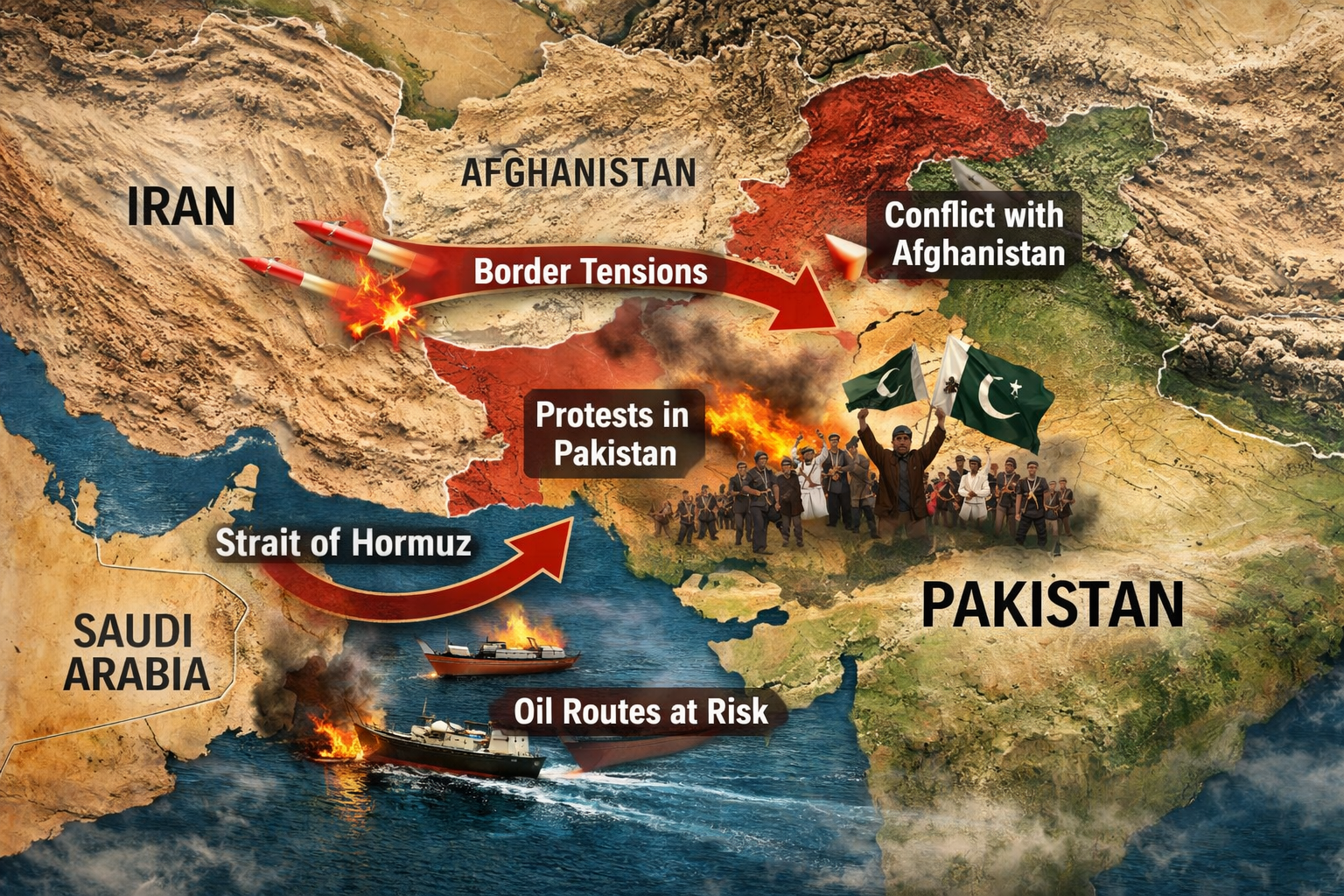
Pakistan faces internal unrest, diplomatic pressure and economic risks as the US-Iran war reshapes regional geopolitics
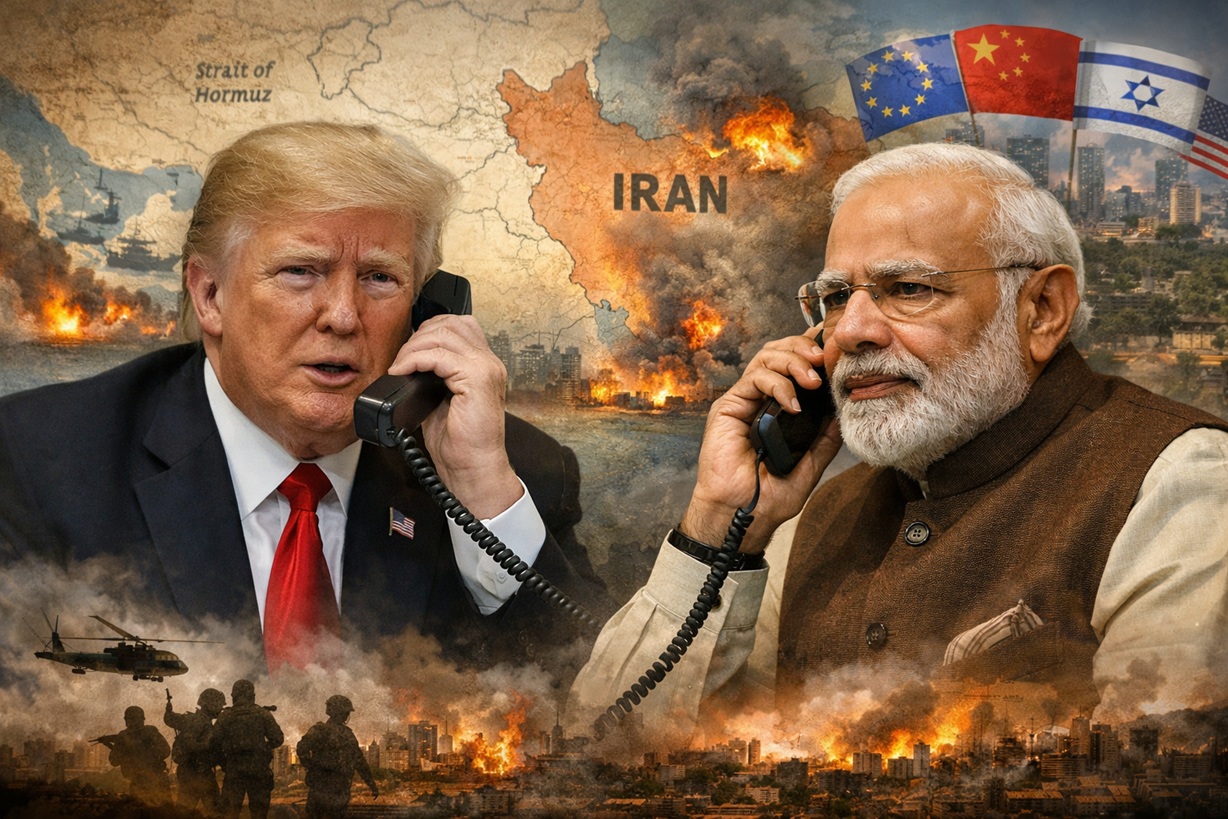
The US-Iran war effect on Pakistan is becoming increasingly visible as the escalating conflict between the United States, Israel and Iran sends shockwaves across South Asia. While Pakistan is not formally part of the war, the country is facing nationwide protests, heightened border tensions with Iran and Afghanistan, and rising economic risks as the regional crisis deepens.
US-Iran War Effect on Pakistan: A Country Caught in the Middle
The widening Middle East conflict is placing Pakistan in a difficult geopolitical position.
Islamabad has attempted to maintain neutrality, but the US-Iran war effect on Pakistan is unfolding across multiple fronts — from internal unrest and sectarian tensions to strategic pressure from regional allies.
Analysts say Pakistan is navigating one of its most complex diplomatic situations in decades, balancing ties with Iran, Saudi Arabia, China and the United States simultaneously.
As the war intensifies, Pakistan’s role is increasingly being scrutinised by global powers.
Regional Conflict Escalates After Major Naval Incident
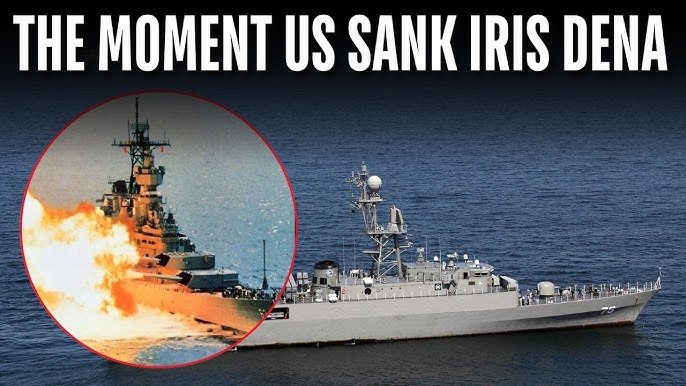
One of the most dramatic developments in the ongoing war was the reported sinking of the Iranian naval frigate IRIS Dena in the Indian Ocean.
According to US defence officials, the vessel was torpedoed by an American submarine in international waters near Sri Lanka.
The ship had reportedly participated in the MILAN 2026 naval exercises hosted by India before beginning its return journey to Iran.
Key details of the incident
- Around 180 sailors were onboard
- 32 crew members rescued by Sri Lankan authorities
- At least 87 bodies recovered
- The strike marked a rare torpedo attack on a warship in modern conflict
US Central Command also reported that several Iranian naval vessels have been destroyed during ongoing operations aimed at limiting Iran’s military capabilities.
The incident significantly escalated tensions in the region and raised concerns about the war spreading beyond the Middle East.
Domestic Protests Intensify Across Pakistan
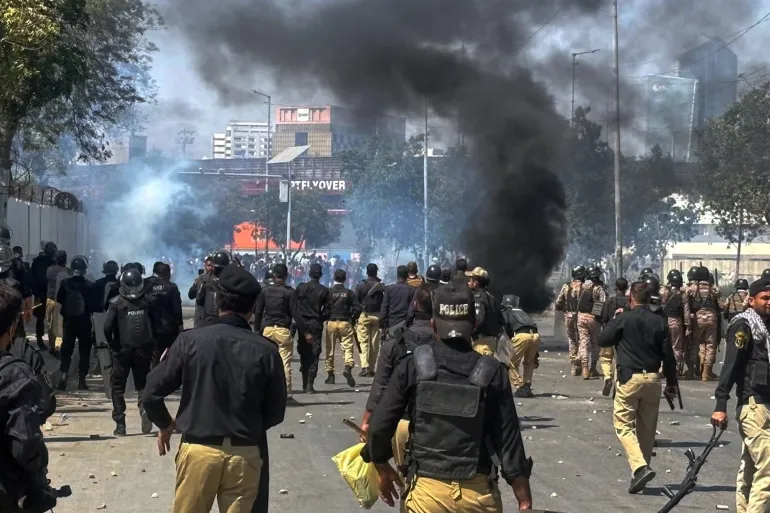
One of the most immediate consequences of the US-Iran war effect on Pakistan has been large-scale protests in several cities.
Demonstrations erupted following reports related to the death of Iran’s Supreme Leader Ayatollah Ali Khamenei, sparking outrage among sections of Pakistan’s population.
Pakistan has one of the largest Shia populations in the world outside Iran, making the issue particularly sensitive.
Major protest flashpoints
- Karachi
- Islamabad
- Lahore
- Gilgit-Baltistan
Clashes between protesters and security forces have reportedly led to dozens of casualties nationwide.
Government buildings, police stations and public infrastructure were attacked in some areas as authorities struggled to restore order.
Karachi Consulate Standoff Raises Diplomatic Tensions
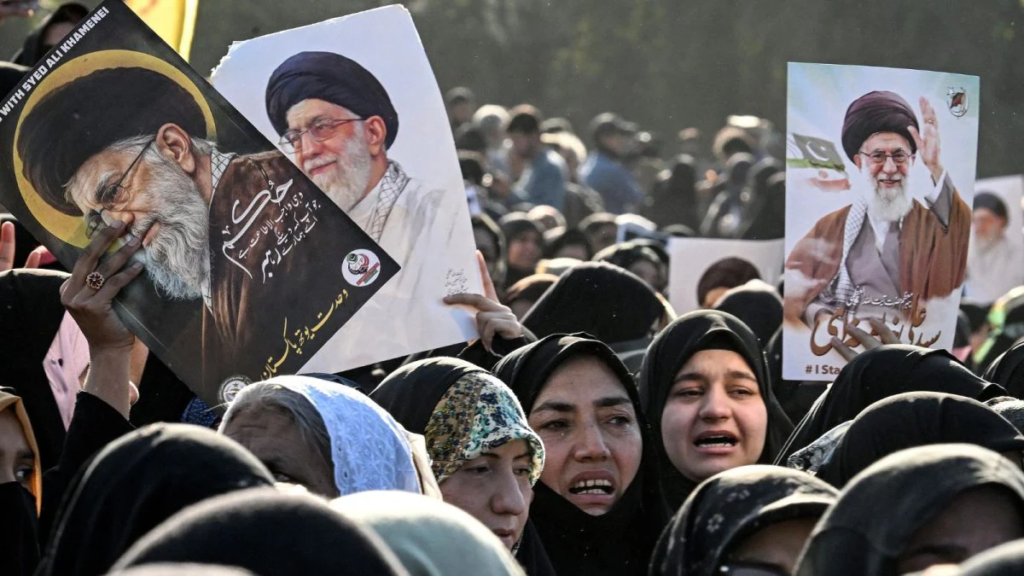
One of the most serious incidents occurred in Karachi where a large crowd attempted to storm the United States Consulate.
Security forces guarding the diplomatic compound reportedly fired warning shots and later used live ammunition to disperse protesters.
Local authorities said several people were killed and dozens injured during the confrontation.
The incident triggered heightened diplomatic concerns and prompted emergency security measures around foreign missions across Pakistan.
Border with Iran on High Alert
The US-Iran war effect on Pakistan is also being felt along its western border with Iran.
Pakistan shares a 900-kilometre border with Iran’s Sistan-Baluchestan region.
The border crossing between Mirjaveh in Iran and Taftan in Pakistan has seen a steady movement of civilians returning to Pakistan amid fears of escalating conflict.
Pakistani authorities have increased military patrols and surveillance along the frontier.
Security concerns include
- Possible refugee influx from Iran
- Smuggling networks exploiting the crisis
- Risk of cross-border militant activity
- Potential drone or missile spillover from the war
Officials say contingency plans are being prepared to handle humanitarian and security challenges if the conflict intensifies further.
Pakistan’s ‘Second Front’: Tensions with Afghanistan
While global attention is focused on the Iran conflict, Pakistan is also dealing with rising tensions along its border with Afghanistan.
Islamabad has accused the Afghan Taliban government of allowing militant groups linked to the Tehreek-e-Taliban Pakistan (TTP) to operate from Afghan territory.
In recent weeks, Pakistan has launched several airstrikes targeting suspected militant hideouts.
Reported developments
- Dozens of airstrikes conducted near the border
- Afghan sources report civilian casualties
- Cross-border clashes continue in several regions
Strategic analysts describe this situation as a “two-front security pressure” for Pakistan.
Managing tensions with both Iran and Afghanistan simultaneously could strain Pakistan’s military and diplomatic resources.
Saudi Defence Pact Adds Strategic Complications
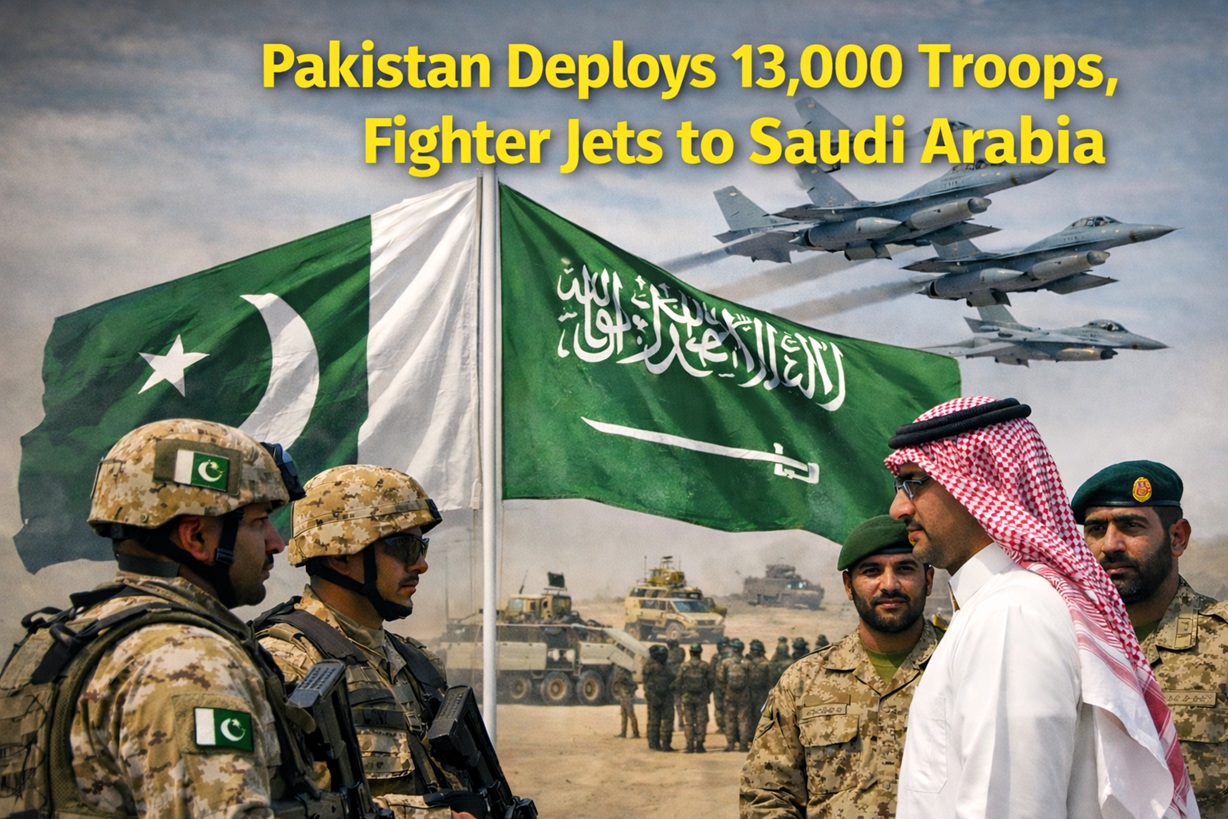
Another major factor shaping the US-Iran war effect on Pakistan is Islamabad’s defence agreement with Saudi Arabia.
Pakistan signed a Strategic Mutual Defence Pact with Saudi Arabia in September 2025.
The agreement includes provisions that resemble NATO’s collective defence principle.
Implications of the pact
- If Saudi Arabia is attacked, Pakistan may be required to provide assistance.
- Iran has already targeted strategic locations in Saudi Arabia.
- Any further escalation could pressure Pakistan to choose sides.
Pakistan’s Foreign Minister Ishaq Dar has warned that Islamabad would honour its commitments if Saudi territory faces sustained attacks.
However, such a move could severely damage Pakistan’s relationship with neighbouring Iran.
Pakistan Attempts Quiet Diplomacy
Despite the growing tensions, Pakistan is also attempting to act as a mediator.
Officials have indicated that Islamabad has maintained communication channels with Tehran in an effort to reduce tensions along their shared border.
Diplomatic sources suggest that Pakistan has proposed back-channel talks aimed at preventing the conflict from spreading into South Asia.
However, Western analysts remain cautious about Pakistan’s role, noting its historically complex relationships with both Iran and the United States.
Economic Shockwaves: Oil and Energy Crisis
Beyond security concerns, the US-Iran war effect on Pakistan could significantly impact the country’s economy.
Pakistan imports a large portion of its energy from Gulf countries.
Any disruption to shipping routes in the Strait of Hormuz could trigger severe consequences.
Iran has already warned that it may close the strait if attacks against it continue.
Potential economic consequences
- Sharp increase in global oil prices
- Disruption of Gulf shipping routes
- Higher fuel prices in Pakistan
- Pressure on Pakistan’s already fragile economy
Energy experts warn that Pakistan could face fuel shortages and inflation if the crisis continues for an extended period.
Regional Geopolitics: Pakistan’s Strategic Balancing Act
Pakistan’s foreign policy now faces one of its most complex tests.
Islamabad must carefully manage relations with several competing powers.
Pakistan’s key geopolitical relationships
- Iran – neighbouring country with economic ties
- Saudi Arabia – major financial supporter
- United States – strategic security partner
- China – Pakistan’s largest economic partner
Balancing these relationships while avoiding direct involvement in the war will require delicate diplomacy.
Could Pakistan Become the Next Flashpoint?
Security experts warn that Pakistan could become increasingly vulnerable if the regional war spreads further.
Potential triggers include:
- escalation along the Iran-Pakistan border
- attacks on Saudi Arabia invoking the defence pact
- militant activity linked to regional instability
- domestic sectarian tensions
Any of these factors could pull Pakistan deeper into the crisis.
For now, Islamabad continues to emphasise neutrality while strengthening border security and maintaining diplomatic channels.
Conclusion: Pakistan Faces Fallout of a Regional War
The US-Iran war effect on Pakistan demonstrates how modern geopolitical conflicts rarely remain confined to one region.
Although Pakistan is not officially part of the war, the country is already experiencing significant consequences — from protests and security tensions to economic uncertainty.
As the Middle East conflict evolves, Pakistan’s ability to maintain neutrality while protecting its internal stability will be a crucial test for its leadership.
The coming weeks may determine whether Pakistan remains a cautious observer or becomes more deeply entangled in the unfolding regional crisis.
FAQs
Q: Why is Pakistan affected by the US-Iran war?
Pakistan shares a long border with Iran and has strong political and economic ties with Gulf countries.
Q: Is Pakistan participating in the war?
No. Pakistan has not formally joined the conflict and is attempting to remain neutral.
Q: Why are protests happening in Pakistan?
Protests erupted due to political and sectarian reactions to developments in Iran and the broader regional conflict.
Q: Could Pakistan join the war?
It is unlikely unless the Saudi defence pact is triggered or the conflict spills across Pakistan’s borders.
Q: How could the war affect Pakistan’s economy?
Rising oil prices and disruptions in Gulf shipping routes could increase fuel prices and inflation in Pakistan.
References
- https://www.reuters.com/world/middle-east/
- https://www.aljazeera.com/middle-east/
- https://www.bbc.com/news/world/middle-east
- https://www.cnn.com/middleeast
- https://www.dawn.com/latest-news
https://tribune.com.pk/pakistan
https://www.aljazeera.com/where/pakistan/ - https://www.iea.org/topics/oil-market-report
https://www.eia.gov/international/analysis/regions-of-interest/Strait_of_Hormuz.php