 Digital Team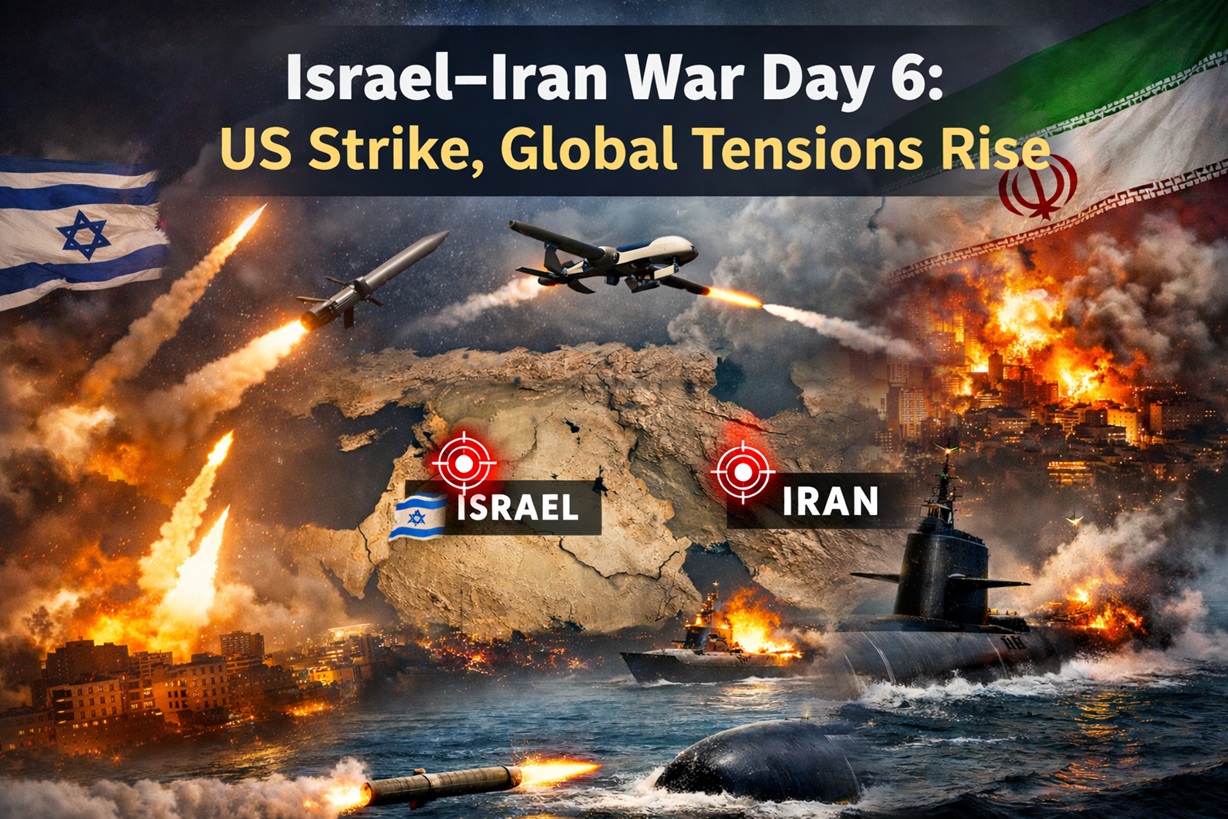
Middle East conflict widens as Israel hits Iranian targets, US submarine sinks warship; India maintains diplomatic balance amid rising global tensions
The Israel–Iran war has entered its sixth day with escalating military strikes, expanding geopolitical stakes, and fears of a wider regional conflict. Israel has launched fresh attacks on Iranian strategic sites while a US Navy submarine reportedly sank an Iranian warship in the Indian Ocean. As tensions surge across West Asia, India has adopted a cautious diplomatic stance while global powers brace for prolonged hostilities.
Israel–Iran War Intensifies Across West Asia
The Israel–Iran war is rapidly expanding beyond its initial flashpoints, raising fears of a broader Middle East conflict involving global powers.
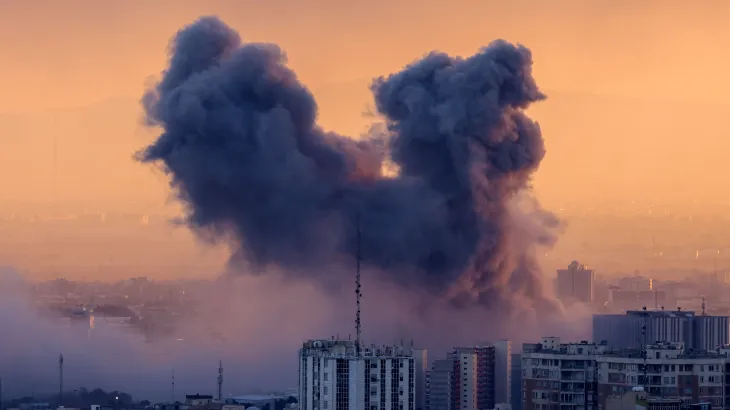
Israeli forces have intensified missile and drone strikes on multiple strategic Iranian installations, targeting military bases and infrastructure believed to support Iran’s regional military network. Iranian forces, in response, have launched retaliatory drone and missile attacks across several areas of West Asia.
Explosions and air raid sirens have been reported across multiple regions, indicating that the conflict has moved beyond isolated strikes and now resembles a sustained military campaign.
According to international security analysts, the conflict is entering a critical phase where escalation risks are increasing daily.
US Military Action Signals Wider Conflict
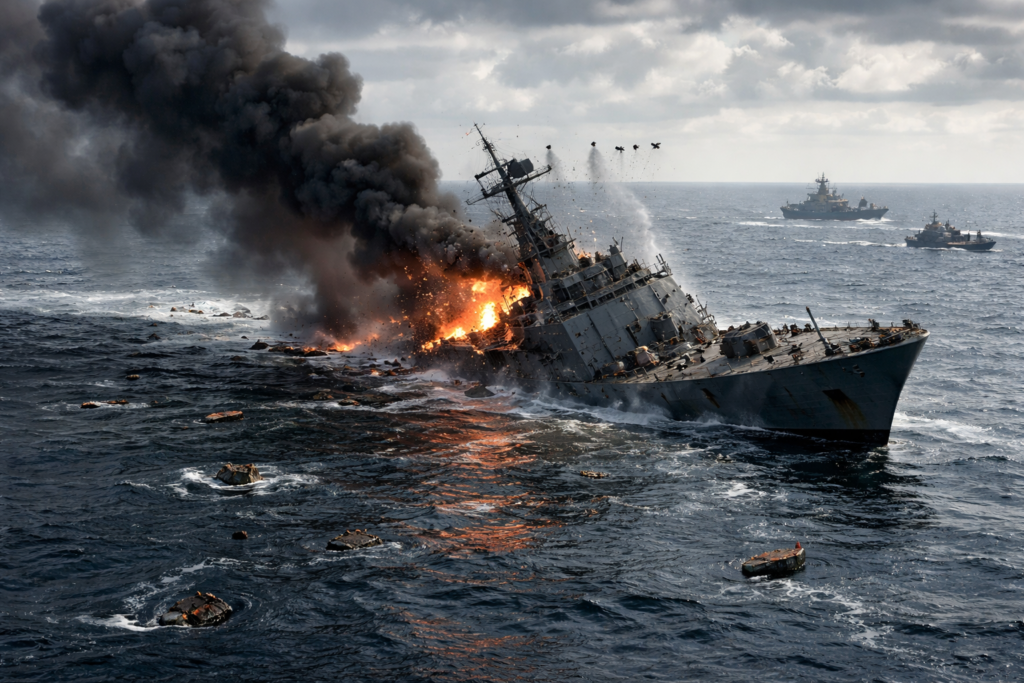
The conflict widened further after reports emerged that a US Navy submarine torpedoed and sank an Iranian warship in waters near the Indian Ocean region.
Security experts say the incident marks a significant escalation as it indicates direct military involvement by the United States.
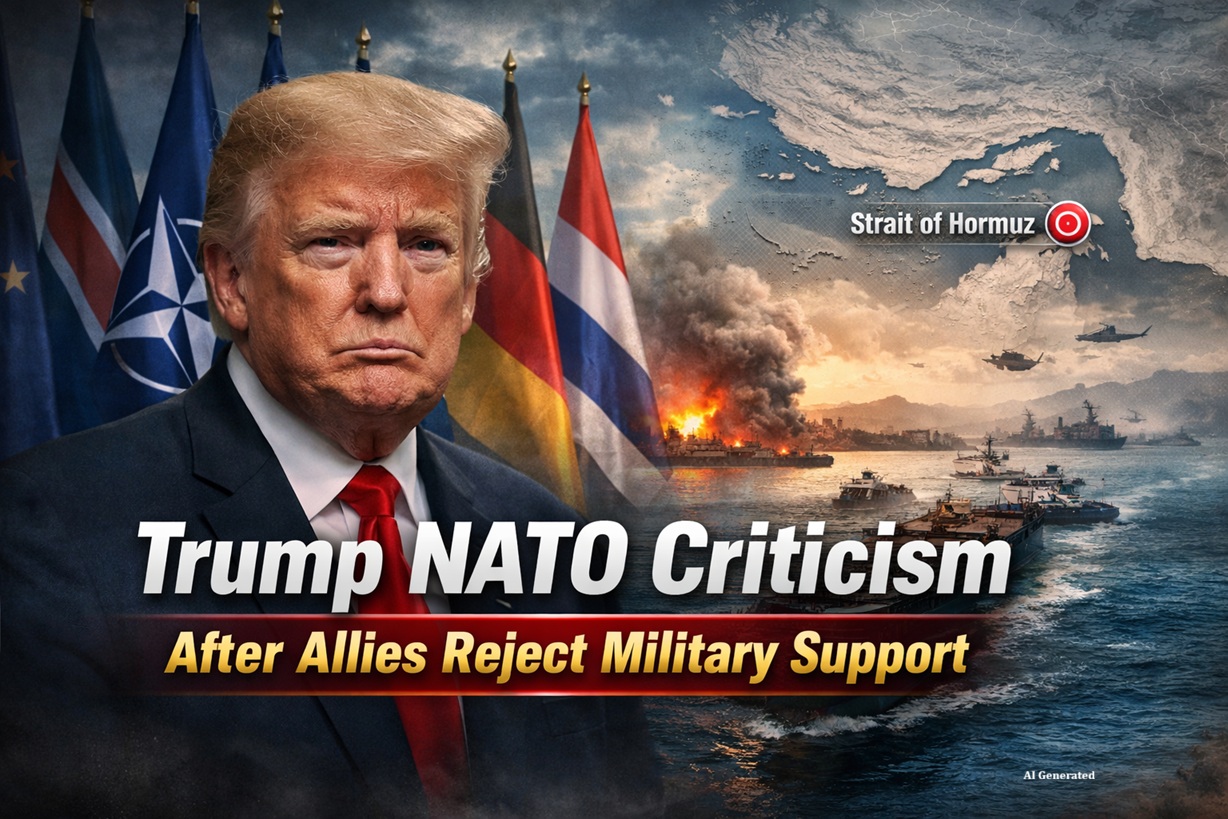
Former US President Donald Trump also weighed in on the conflict, suggesting the war could last “four to five weeks or longer,” contradicting earlier expectations that the conflict might end quickly.
Defence analysts now believe the conflict could stretch beyond several weeks if neither side secures decisive strategic gains.
India’s Diplomatic Position in the Israel–Iran War
India has taken a carefully balanced diplomatic approach to the Israel–Iran war, reflecting its longstanding strategic relations with both countries.
India’s Foreign Secretary Vikram Misri visited the Iranian Embassy and signed the condolence book, expressing condolences following the death of Iran’s former Supreme Leader Ali Khamenei and the recent escalation in violence.
The move triggered political debate within India, with opposition leaders questioning the government’s diplomatic positioning.
However, foreign policy experts say India’s approach reflects traditional strategic neutrality.
Prime Minister Narendra Modi, speaking during an international engagement, reiterated that “war should not be the solution,” emphasising the need for diplomatic resolution.
Analysts believe India could play a potential mediating role because of its close ties with multiple regional actors including:
- Iran
- Israel
- Saudi Arabia
- United Arab Emirates
- Oman
- Bahrain
Such diplomatic access gives New Delhi a unique position to facilitate dialogue if negotiations emerge.
Could the Israel–Iran War Lead to Regime Change?
Strategic experts say the trajectory of the Israel–Iran war will determine whether it results in regime change or diplomatic negotiations.
Two possible scenarios are being discussed in global policy circles:
Scenario 1: Rapid Military Outcome
- Targeted strikes eliminate Iranian leadership
- Collapse of the current regime
- Installation of a new government aligned with Western interests
Scenario 2: Prolonged Conflict
- War drags on for months
- Diplomatic negotiations begin
- Current Iranian government remains but agrees to concessions
Pentagon officials have reportedly indicated the conflict could last over 100 days, depending on battlefield developments.
Iran Expands Military Pressure Across the Region
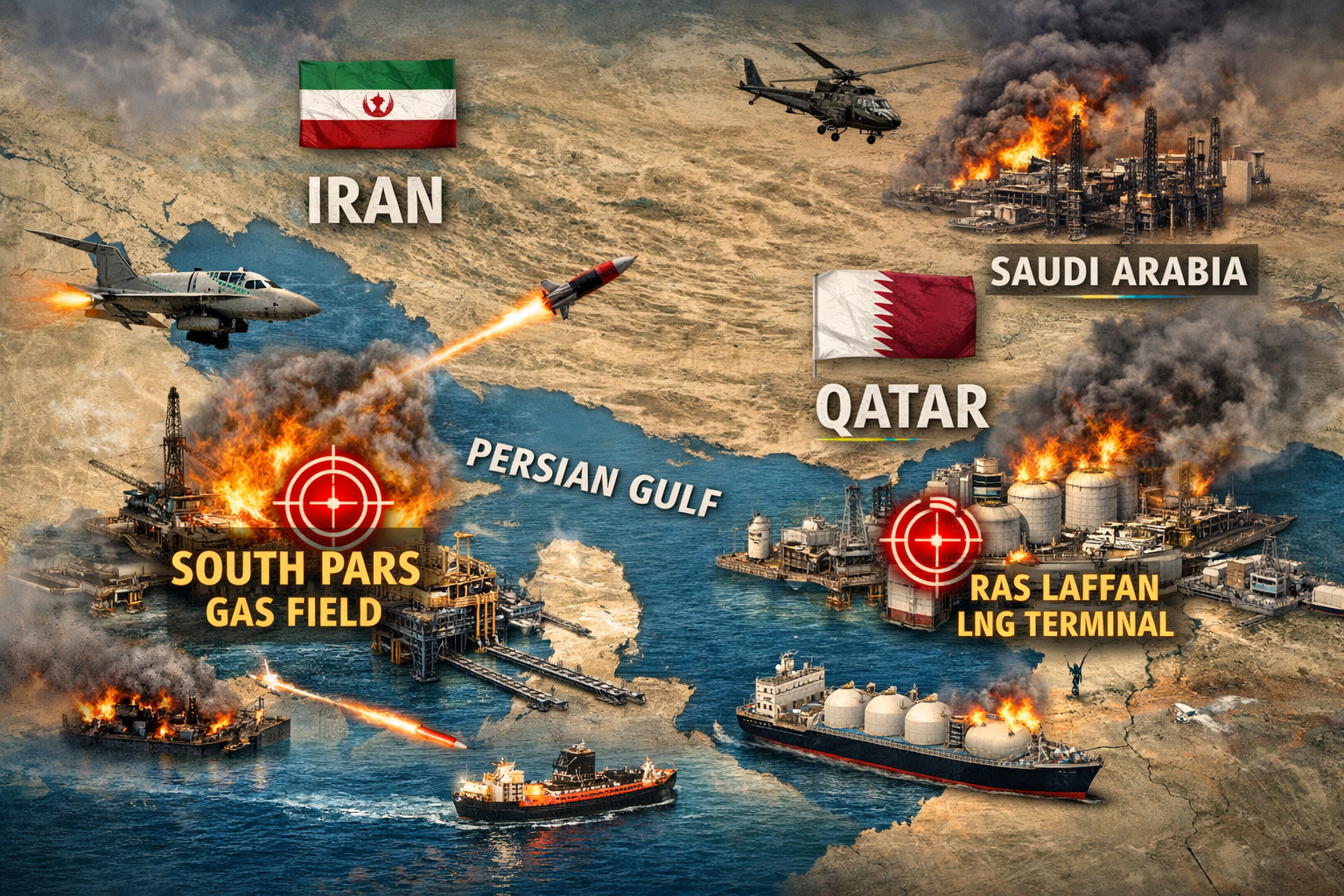
Iran has reportedly broadened its military strategy by targeting locations connected to global energy supply routes.
Recent developments include:
- Drone strikes near Azerbaijan-linked shipping routes
- Missile launches toward areas connected to Gulf energy infrastructure
- Interception of multiple Iranian drones and hypersonic missiles by UAE defence systems
Officials in the United Arab Emirates said their air defence units intercepted over 125 drones and around two dozen missiles during attempted attacks.
Security experts say Iran may be attempting to create international pressure by disrupting global energy flows.
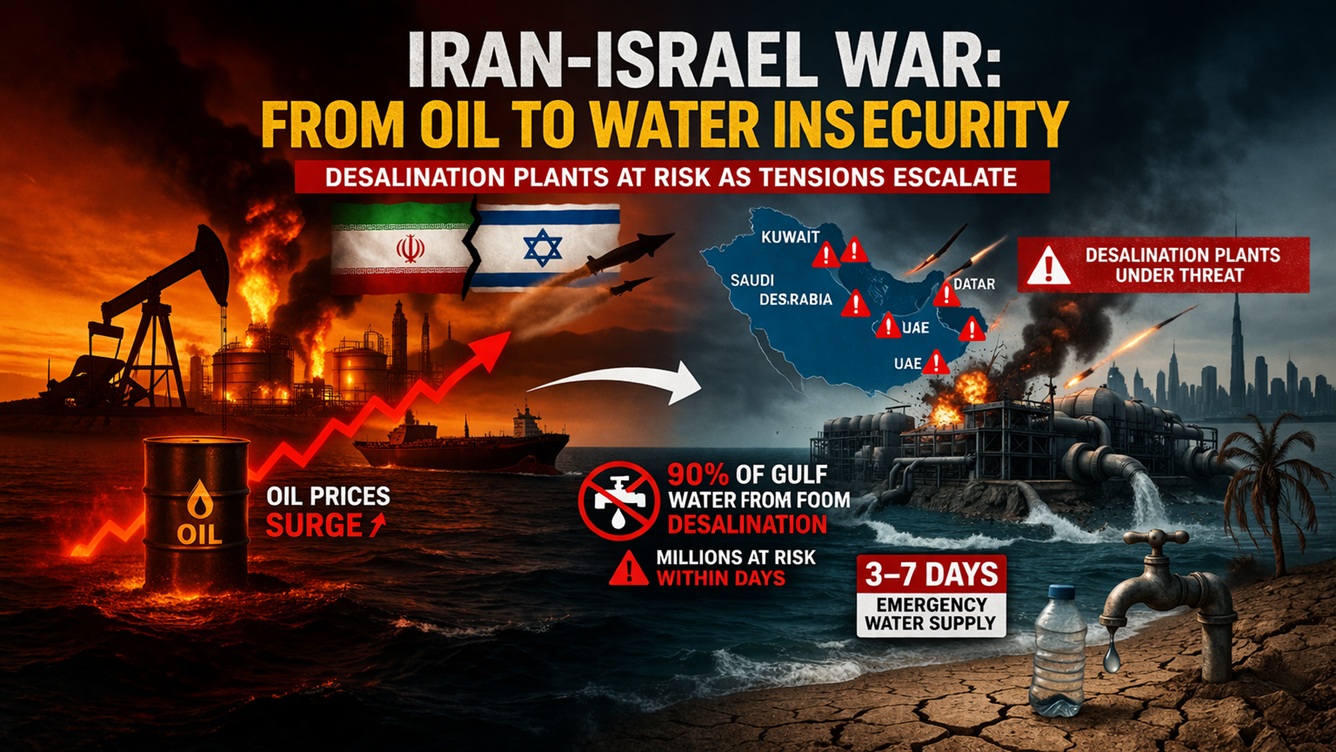
Oil Prices Surge Amid Israel–Iran War
The conflict has already begun impacting global markets.
Oil prices have surged to nearly $85 per barrel, driven by fears of supply disruptions in the Gulf region.
Energy analysts say Iran’s strategy could involve creating a global economic shock to force diplomatic intervention.
Strategic Oil Reserves Comparison
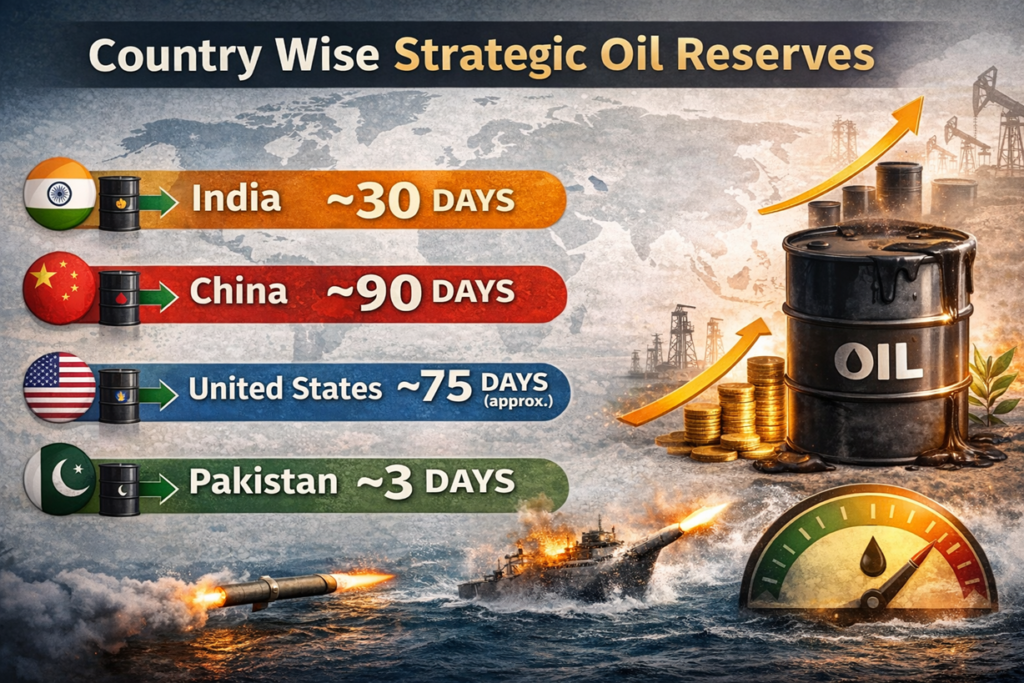
| Country | Estimated Strategic Oil Reserve |
| India | ~30 days |
| China | ~90 days |
| United States | ~60–90 days |
| Pakistan | ~3 days |
India is relatively insulated in the short term due to its strategic petroleum reserves.
Pakistan, however, faces a severe vulnerability due to limited fuel reserves.
Pakistan Faces Strategic Dilemma
The Israel–Iran war could drag Pakistan into a complicated geopolitical position.
Pakistan reportedly approached Saudi Arabia for energy assistance as its reserves shrink rapidly.
However, Saudi officials reportedly reminded Pakistan of previous defence understandings that suggested mutual support in case of security threats.
This puts Islamabad in a difficult position:
- Supporting Iran could strain ties with Saudi Arabia
- Supporting Saudi Arabia could trigger tensions with Iran
Security analysts say Pakistan may soon face a difficult strategic decision if the conflict escalates further.
Indian Political Debate Over War Developments
The conflict has also sparked political debate in India.
Opposition leaders, including Rahul Gandhi, have questioned the government’s diplomatic choices, particularly the decision to sign the condolence register at the Iranian Embassy.
However, foreign policy experts argue that such diplomatic gestures are standard practice and do not signal alignment with any particular side.
Analysts say India’s primary objective remains protecting its strategic interests, energy security, and regional stability.
Is the Israel–Iran War Becoming a Regional War?
The Israel–Iran war now appears to be expanding beyond bilateral hostilities.
With the involvement of the United States and the possibility of other regional powers entering the conflict, experts warn the war could transform into a broader Middle East confrontation.
Trump claimed that Iran’s air force and navy have suffered major damage, though independent verification remains limited.
Meanwhile, speculation continues that Pakistan may cite defence agreements with Saudi Arabia if attacks spread further in the Gulf.
Conclusion: What Comes Next in the Israel–Iran War
The Israel–Iran war is entering a decisive phase with growing military involvement, rising oil prices, and geopolitical tensions spreading across West Asia.
If the conflict continues to expand, it could trigger a wider regional confrontation involving several Middle Eastern powers and global actors.
For now, diplomatic efforts remain limited, but countries like India may eventually play a crucial role in facilitating negotiations if the war reaches a stalemate.
The coming weeks will determine whether the Israel–Iran war moves toward escalation, regime change, or diplomatic settlement.
FAQs
Q1: Why did the Israel–Iran war start?
The conflict stems from escalating military tensions, proxy conflicts, and strategic rivalry between Israel and Iran across the Middle East.
Q2: How long could the Israel–Iran war last?
Security experts and US officials suggest the conflict could continue for several weeks or even months.
Q3: Is the United States directly involved in the war?
Reports indicate US forces have taken limited military action, including the sinking of an Iranian warship.
Q4: Could Pakistan join the Israel–Iran war?
Pakistan may face pressure to support Saudi Arabia due to defence agreements, but its official stance remains unclear.
Q5: How will the war affect global oil prices?
Oil prices have already risen due to fears of supply disruptions from the Gulf region.
References