 Digital Team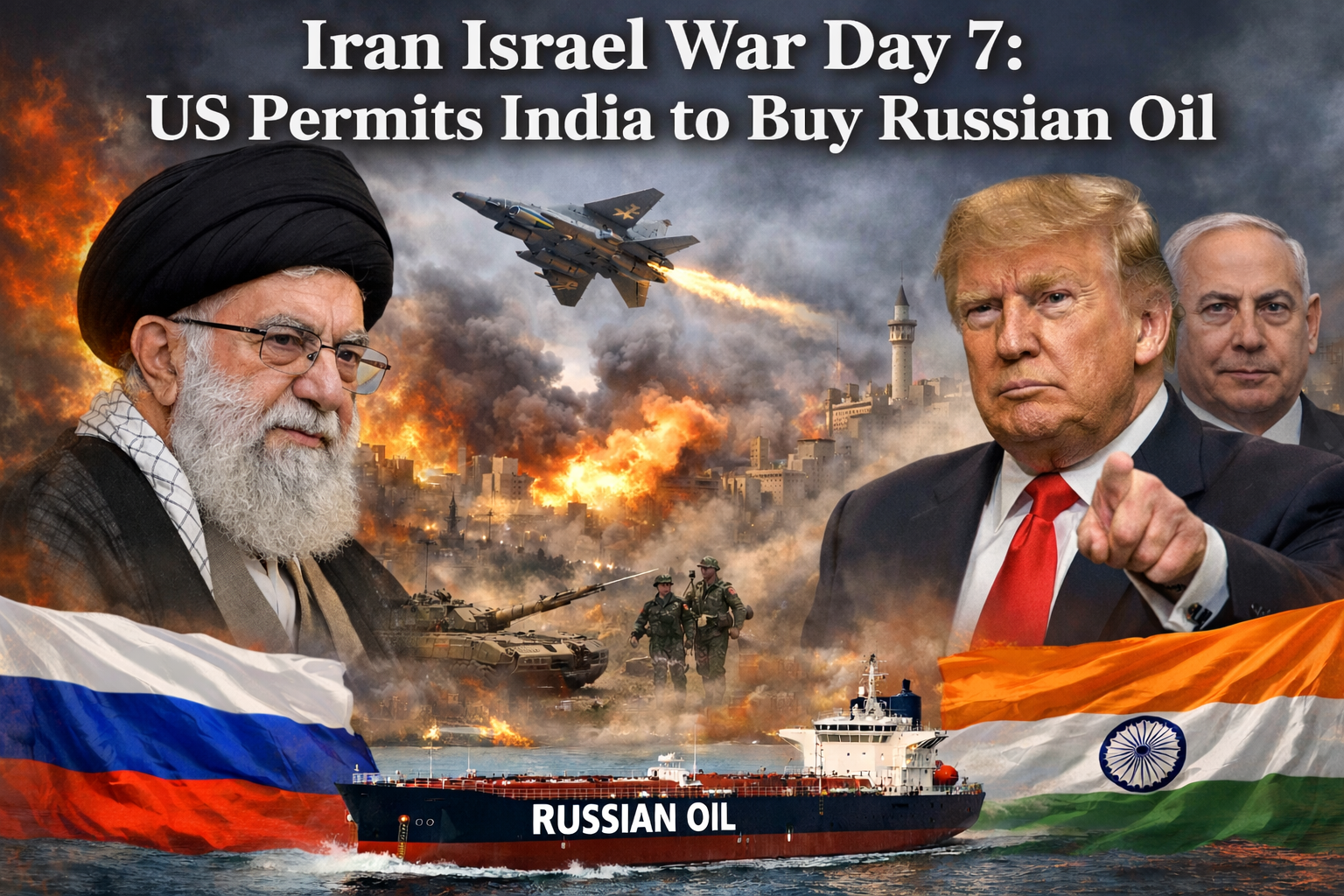
As the Iran–Israel war intensifies and the Strait of Hormuz faces disruption, the US issues a 30-day waiver allowing Indian refiners to purchase Russian crude already at sea.
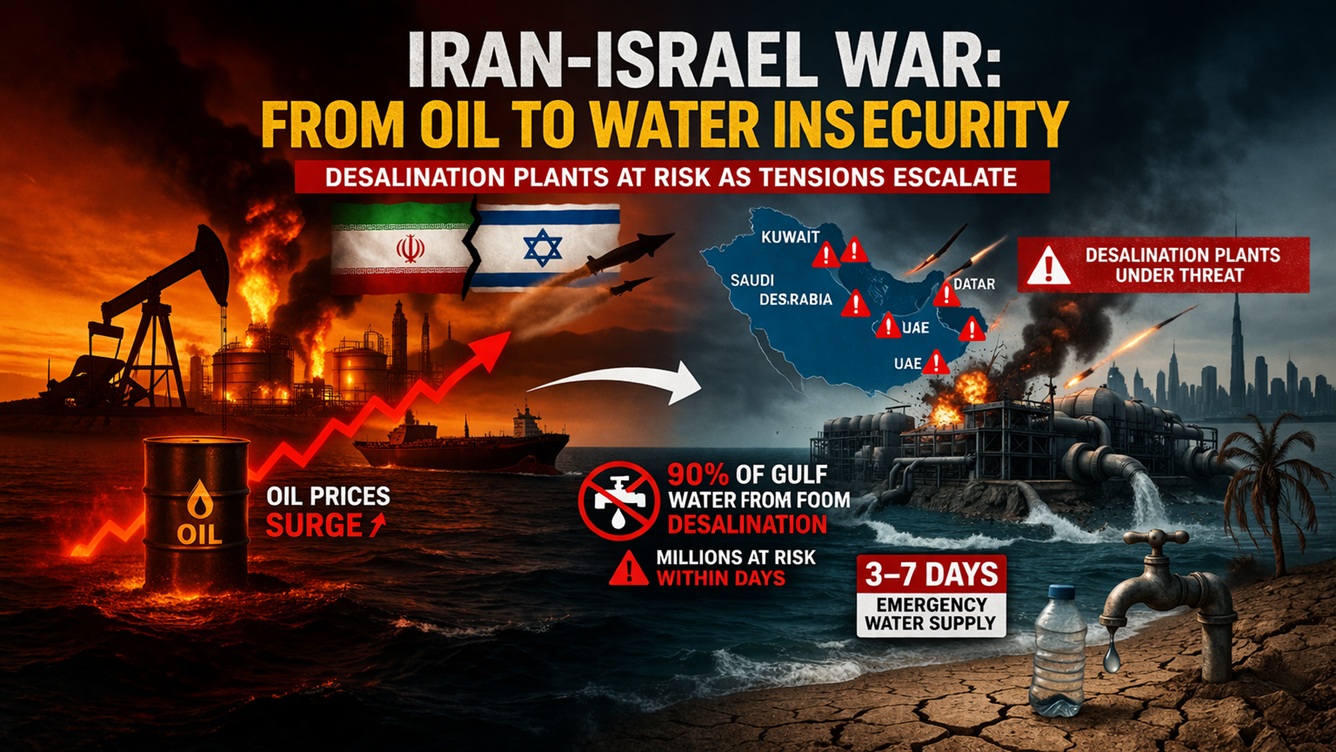
The Iran Israel War Day 7 developments have triggered a global energy shock as fighting between Iran, Israel and the United States intensifies across West Asia. Amid fears that the Strait of Hormuz could remain blocked, Washington has issued a 30-day waiver allowing India to buy Russian oil shipments already at sea, a move aimed at stabilising global crude markets and preventing a sharp spike in oil prices.
Escalation in Iran Israel War Day 7 Raises Global Alarm
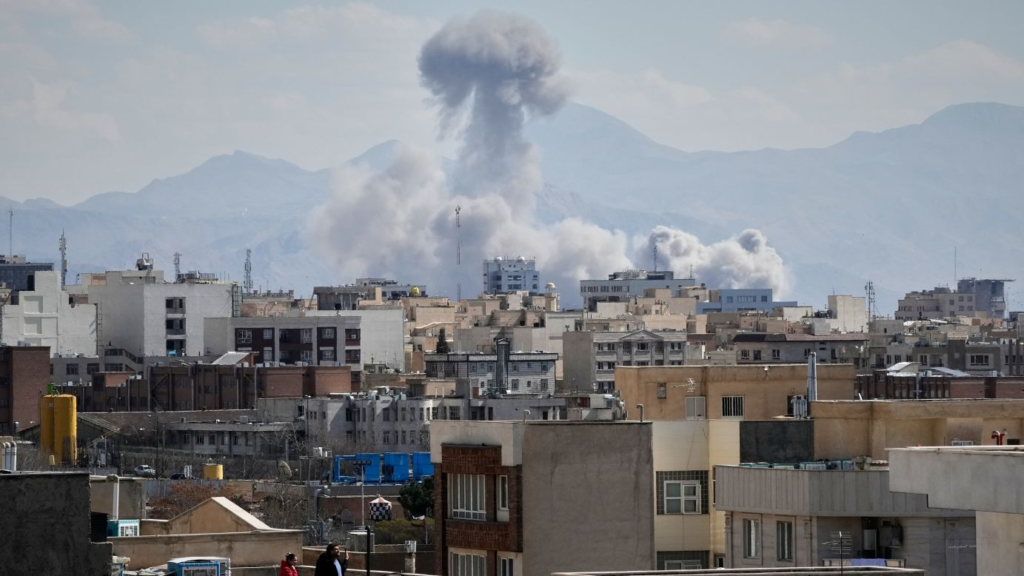
Seven days into the Iran Israel War, the conflict appears to be widening beyond military installations and into urban areas. Satellite images and local reports suggest that bombardments have struck multiple locations inside Iran, with infrastructure damage increasing over the past 24 hours.
Security analysts say the conflict has entered a volatile phase as US forces reportedly move closer to Iranian borders through Iraq, raising speculation about possible ground operations.
The White House has maintained that the objective is to weaken Iran’s military command structure, though official statements have varied on whether the US supports a regime change in Tehran.
Regional tensions have also escalated, with concerns that neighbouring states such as Saudi Arabia and Gulf countries could be drawn into the conflict if attacks spread further across the region.
Strait of Hormuz Disruption Drives Energy Fears
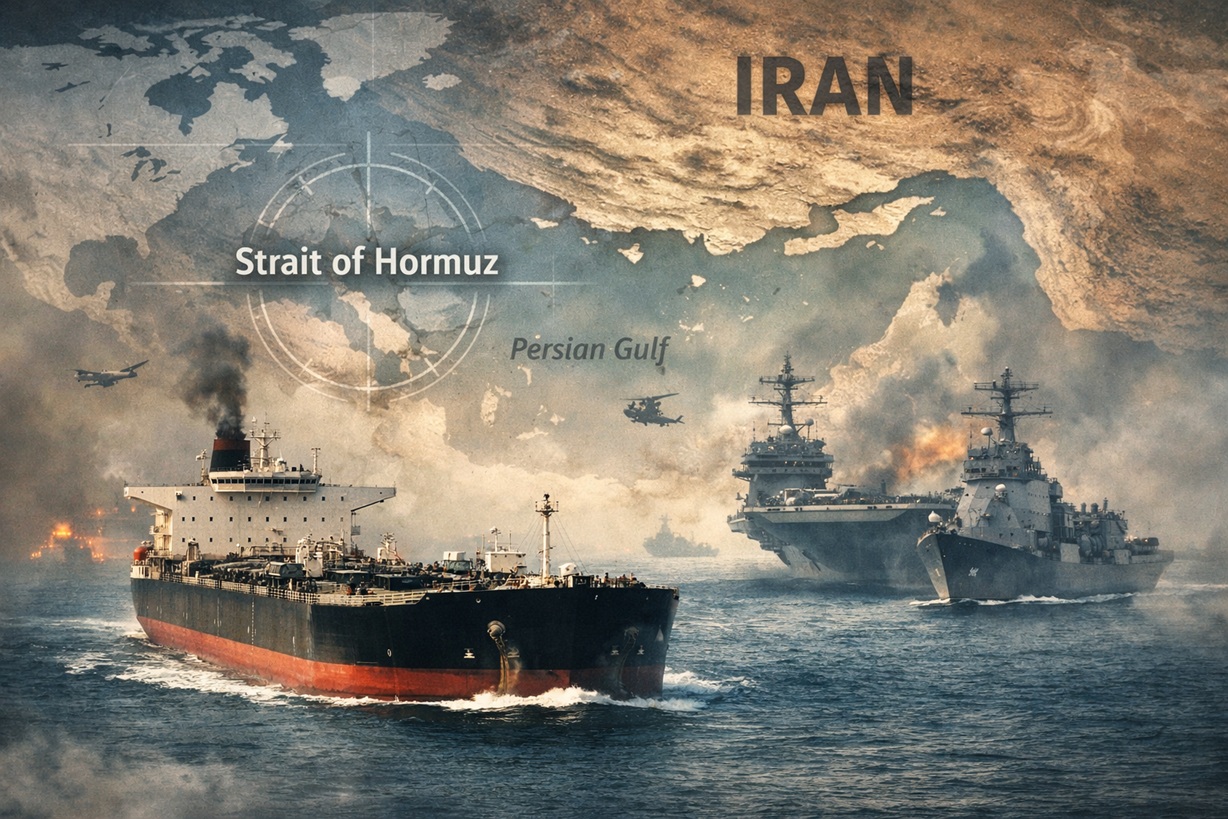
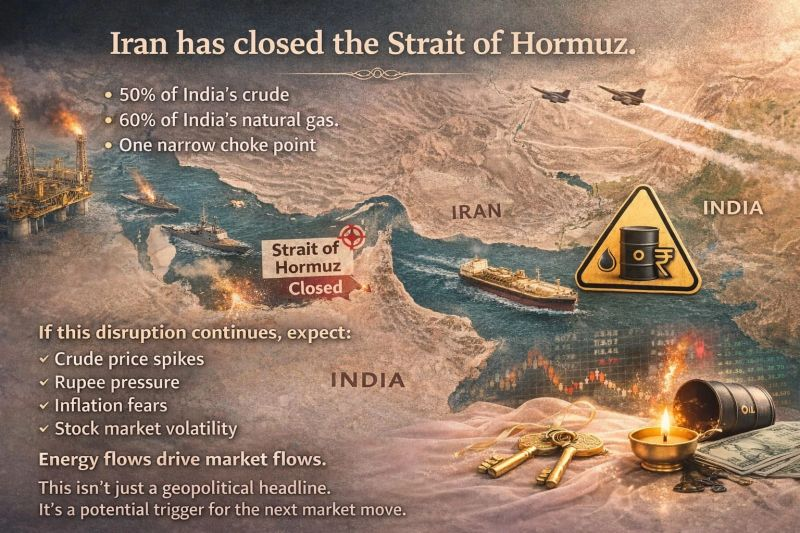
One of the biggest global concerns during the Iran Israel War Day 7 is the disruption of the Strait of Hormuz, one of the world’s most critical oil shipping lanes.
Why the Strait Matters
- Nearly 20% of global crude oil supply passes through the Strait of Hormuz
- Persian Gulf producers rely heavily on this route
- India receives about 40% of its crude imports through Hormuz
If the strait remains blocked or restricted, energy markets could face a major supply shock.
Oil analysts warn that sustained disruption could push crude prices close to $100 per barrel, significantly impacting fuel-importing economies.
US Issues 30-Day Waiver for India to Buy Russian Oil
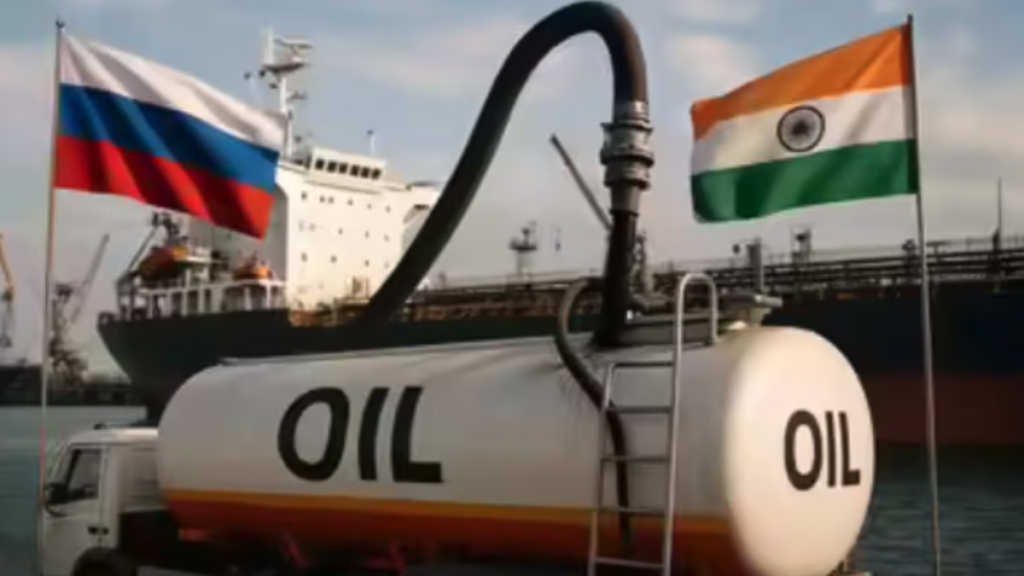
Amid these concerns, the US Treasury Department has issued a temporary 30-day waiver permitting Indian companies to purchase Russian crude shipments already in transit.
Officials say the measure is intended to prevent global supply shortages as dozens of oil tankers remain stranded due to rising tensions in the Persian Gulf.
Key Details of the Waiver
| Aspect | Details |
| Duration | 30 days |
| Allowed purchases | Russian crude already at sea |
| Objective | Stabilise global oil markets |
| Beneficiary | Indian refiners |
Energy experts say the decision reflects Washington’s concern that reduced supply could send prices soaring worldwide.
Why the US Changed Its Position on Russian Oil
The waiver marks a significant shift in the US stance.
After the Russia–Ukraine war, Western nations imposed sanctions on Russian oil exports. Washington had earlier urged India and other countries to reduce purchases from Moscow.
However, the current crisis has forced a recalibration.
Key Reasons Behind the Decision
1. Supply Shock Risk
The Hormuz disruption has already slowed tanker movement.
2. Rising Oil Prices
Reduced supply combined with geopolitical uncertainty has pushed global prices upward.
3. Market Stability Concerns
Allowing India to absorb Russian crude could prevent further volatility.
Energy economists say the move highlights how geopolitical conflicts often reshape energy policies in real time.
India’s Russian Oil Imports Continue Despite Pressure
India has steadily increased its purchases of discounted Russian crude since the Ukraine conflict began in 2022.
According to energy analytics firm Kpler, Russia remains India’s largest crude supplier.
India’s Russian Oil Imports (Approx.)
| Year | Imports (Million Barrels) |
| 2022 | 271 |
| 2023 | 652 |
| 2024 | 674 |
| 2025 | 638 |
In February alone, India imported around 1.04 million barrels per day from Russia, making Moscow the country’s largest crude supplier.
Government officials have repeatedly maintained that India purchases oil based on national interest and price competitiveness.
Oil Prices Surge as War Disrupts Energy Routes
The Iran Israel War Day 7 has triggered sharp volatility in global energy markets.
Several developments are contributing to price pressure:
- Oil tankers stuck in the Persian Gulf
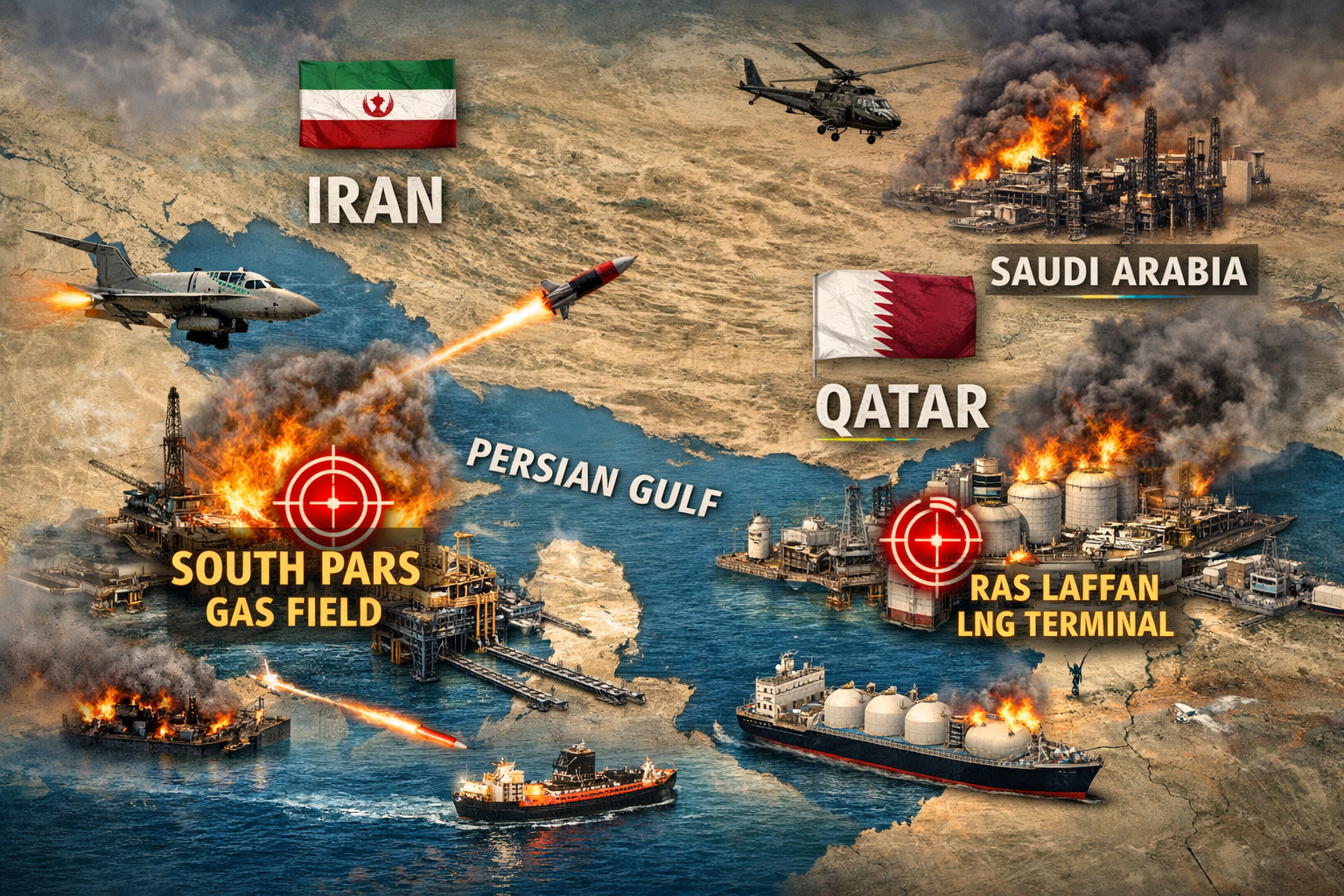
- Missile attacks near energy infrastructure
- Shipping risks across key trade routes
- Insurance costs rising for oil shipments
Market analysts say the situation resembles the early months of the Ukraine war, when supply fears drove prices higher.
However, unlike in 2022 when Russian oil was heavily discounted, current supplies are reportedly selling at $4–$5 above benchmark prices.
Impact on India’s Energy Security
India currently holds about 50 days of crude oil reserves, including strategic reserves and refinery stocks.
Energy experts warn that prolonged disruption in the Strait of Hormuz could create supply risks if alternative routes are not secured.
Russian supplies provide a partial buffer because they travel through different routes, including:
- Suez Canal
- Red Sea shipping corridor
So far, these routes remain operational.
Political Reactions in India
The US waiver has also sparked political debate in India.
Opposition leaders have questioned why Indian refiners require approval from Washington to buy oil that they were already importing.
Government sources, however, say the waiver mainly applies to sanctions compliance and shipping insurance frameworks, rather than direct control over India’s energy purchases.
New Delhi has not yet issued an official statement on the waiver.
Strategic Implications of the Iran Israel War Day 7
The evolving conflict could reshape geopolitical alignments across West Asia.
Key strategic developments include:
- Increasing US military presence near Iran
- Intensifying Israeli strikes on Iranian targets
- Potential involvement of Gulf states
- Growing pressure on global oil markets
If the conflict continues to escalate, analysts warn that energy supply chains, maritime routes and diplomatic alliances could all undergo significant changes.
Iran Israel War Day 7 Signals Uncertain Future
The Iran Israel War Day 7 developments underline how rapidly geopolitical conflicts can ripple through global energy markets. With the Strait of Hormuz under threat and oil prices climbing, the US decision to allow India to buy Russian crude reflects an urgent attempt to stabilise supply.
As the conflict unfolds, energy security will remain a major concern for countries dependent on imported fuel. For India, diversification of oil sources and strategic reserves may become even more critical in the weeks ahead.
FAQ
Q: What is happening in Iran Israel War Day 7?
The conflict between Iran, Israel and the US has intensified with expanded strikes, rising civilian impact and concerns over global oil supply disruptions.
Q: Why did the US allow India to buy Russian oil?
The US issued a 30-day waiver to stabilise global oil markets after disruptions in the Strait of Hormuz threatened global supply.
Q: How important is the Strait of Hormuz for global oil?
Nearly 20% of global crude oil passes through this shipping route, making it one of the world’s most critical energy corridors.
Q: Does India rely heavily on Russian oil?
Yes. Russia is currently India’s largest crude supplier, providing over 1 million barrels per day.
Q: Could oil prices rise further?
Yes. Analysts warn that continued conflict could push crude prices towards $100 per barrel.
References