 Digital Team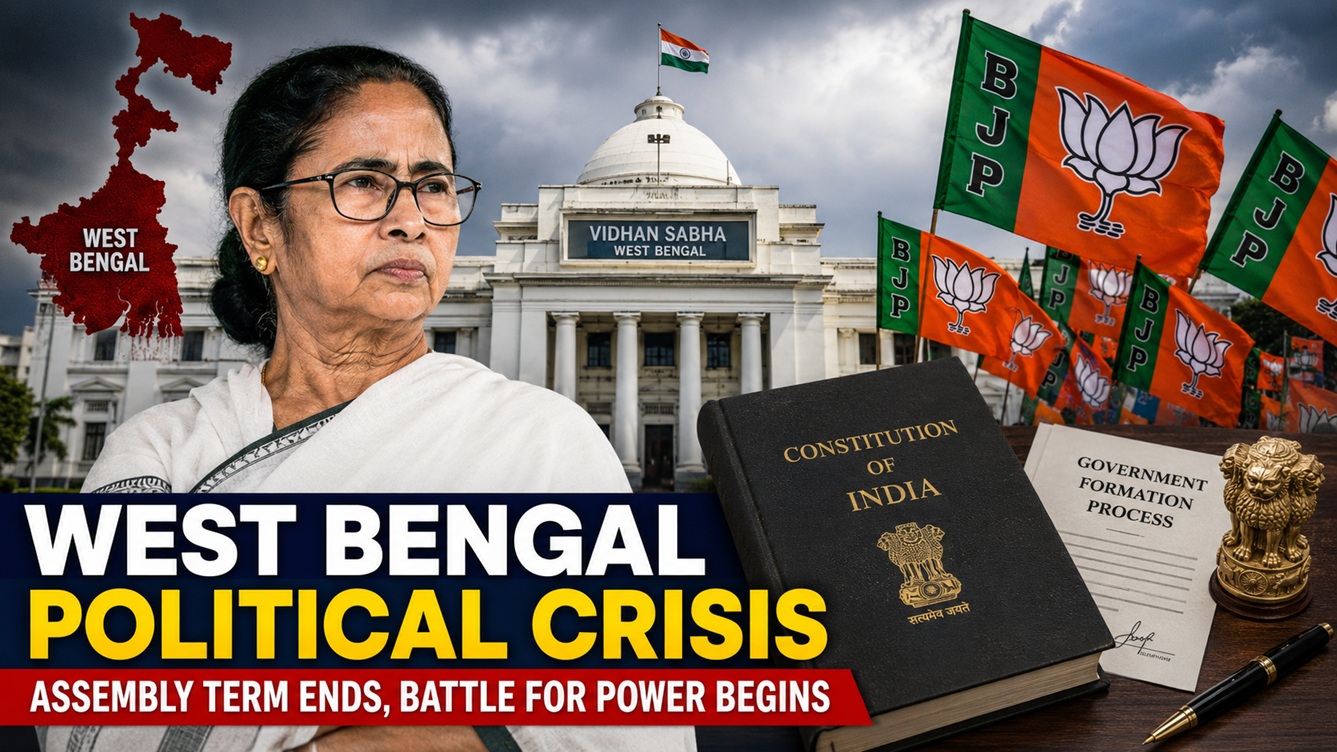
West Bengal Political Crisis: As the tenure of the 17th West Bengal Assembly ends on May 7, political tensions rise over government formation, constitutional procedure, and allegations surrounding the TMC leadership.
West Bengal Political Crisis: What Happens After Assembly Tenure Ends?
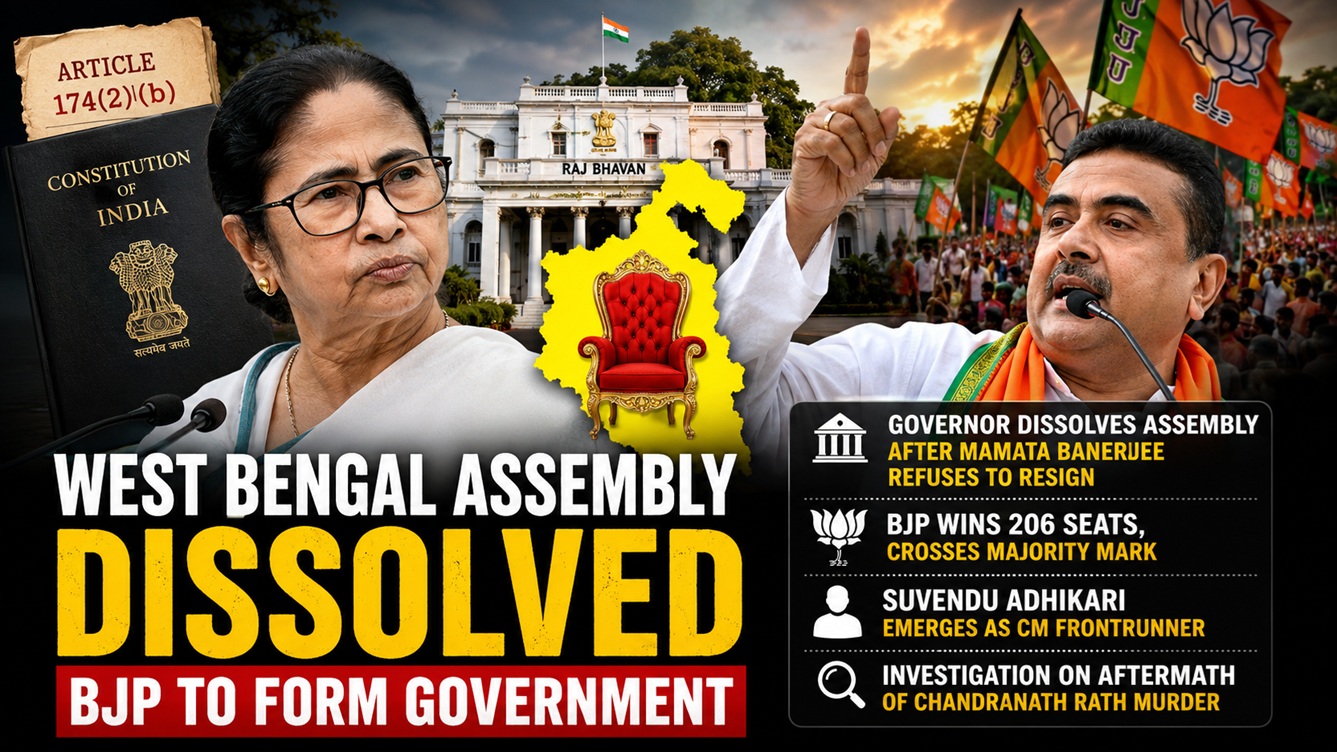
The political atmosphere in West Bengal has intensified after claims that Chief Minister Mamata Banerjee is unwilling to resign despite the end of the Assembly’s constitutional tenure on May 7, 2026. Constitutional experts, however, point out that once the term of the 17th West Bengal Assembly expires, the Council of Ministers automatically ceases to hold office, irrespective of resignation.
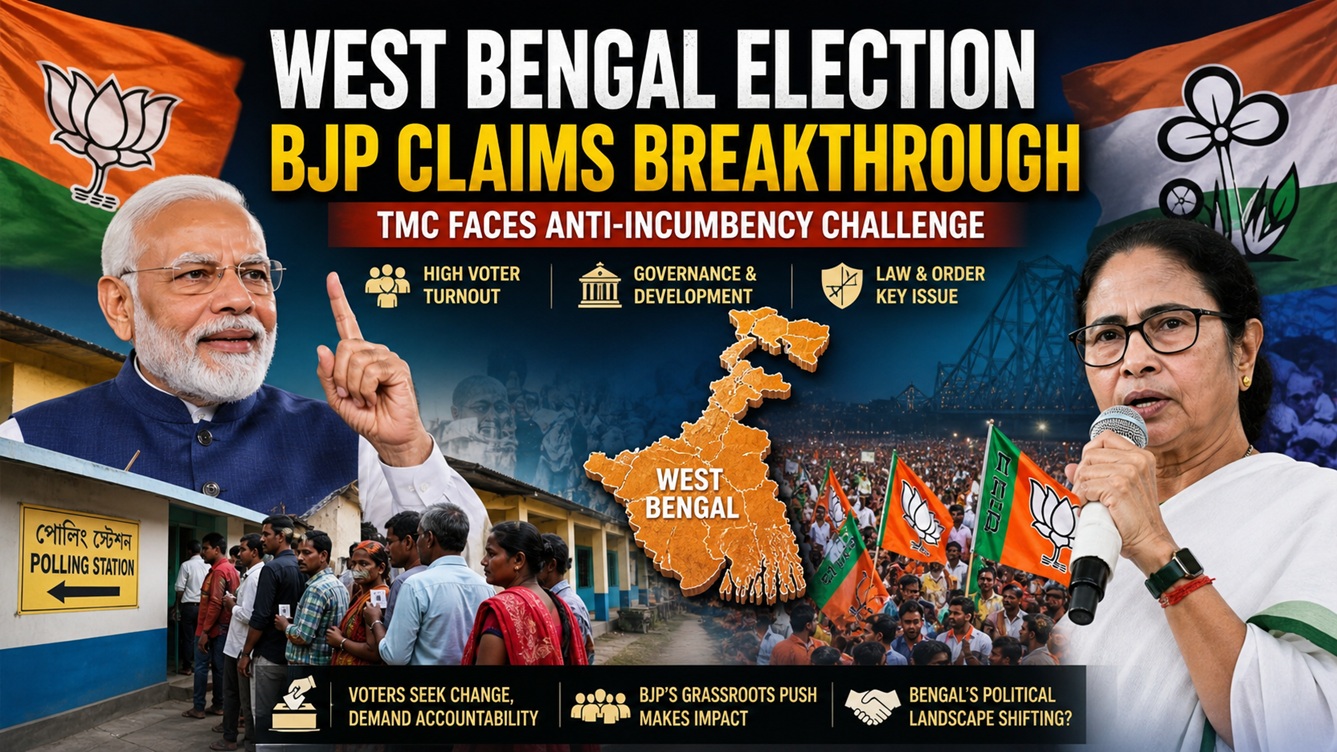
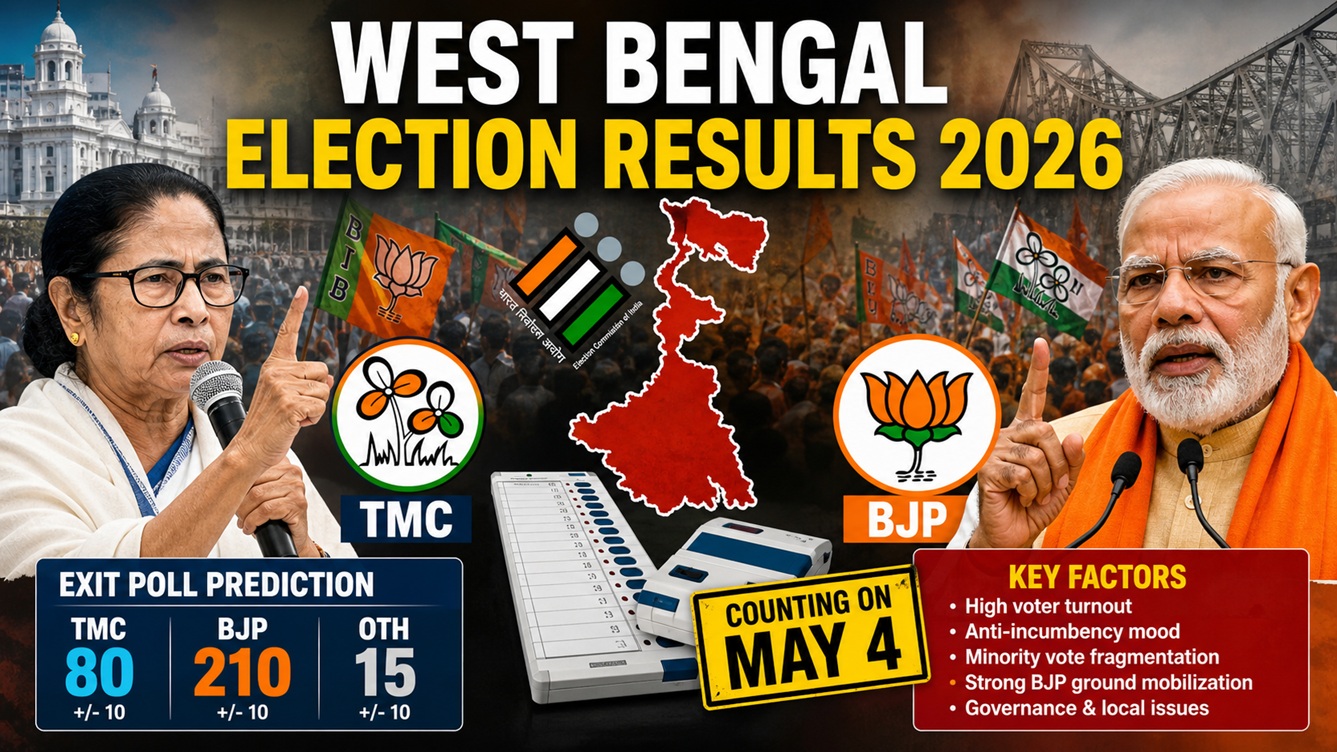
The development comes amid ongoing discussions around government formation, alleged corruption probes, and political uncertainty following the West Bengal election outcome. Senior state officials reportedly met the Governor to complete formal procedures related to the Assembly’s dissolution and transition of power.
West Bengal Assembly Tenure Ends on May 7
According to constitutional provisions, the tenure of a state legislative assembly lasts five years unless dissolved earlier. With the term of the 17th West Bengal Assembly ending on May 7, all ministerial positions stand dissolved automatically.
Political commentators quoted in the discussion argue that the Chief Minister does not continue in office once the Assembly’s tenure expires. They claim the Governor is expected to begin consultations for inviting the next government to form the administration.
H3: Can a Chief Minister Continue Without Resigning?
Constitutionally, resignation is not the only mechanism through which a Chief Minister vacates office. Once the Assembly ceases to exist, the government effectively loses its mandate. However, outgoing governments may continue in a caretaker capacity until a new administration takes oath.
Legal experts note that such caretaker arrangements are temporary and are expected to avoid major policy decisions.
Mamata Banerjee’s Stand Triggers Political Reactions
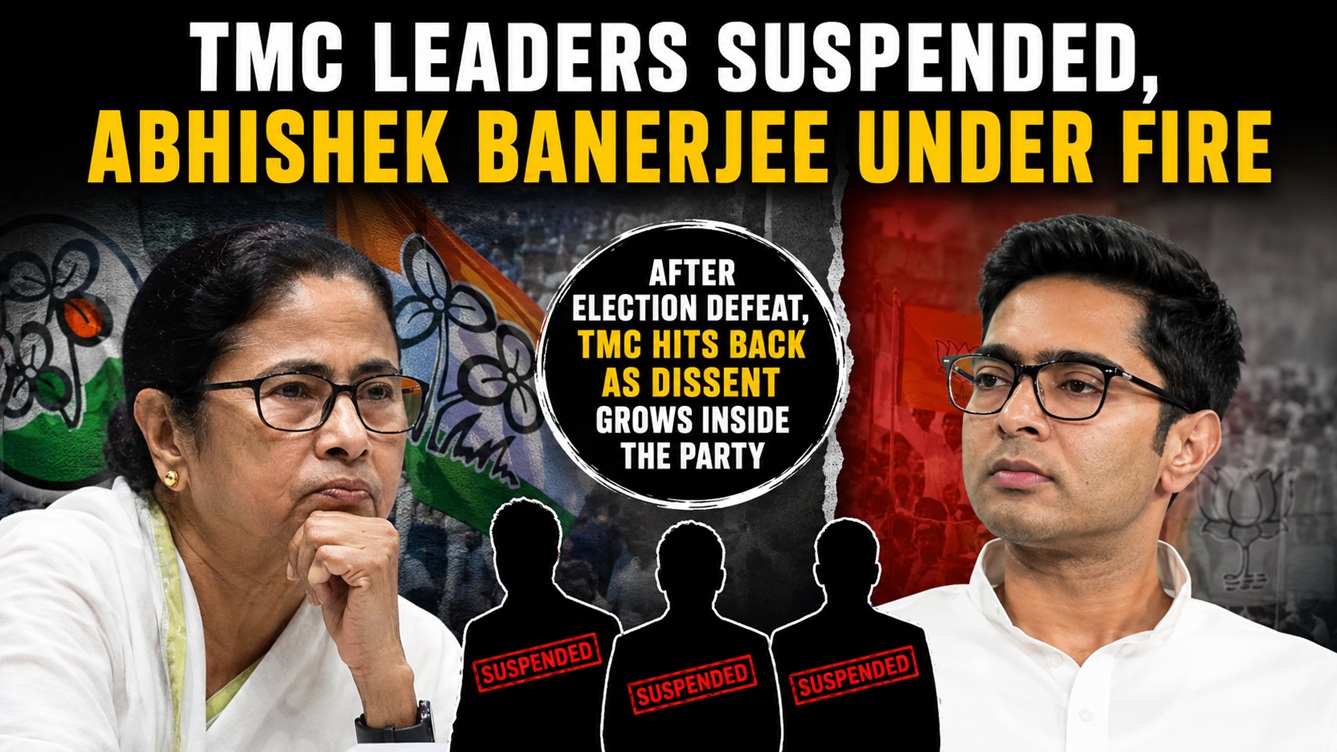
The controversy escalated after statements attributed to Mamata Banerjee suggested she would not resign despite electoral setbacks. Opposition leaders accused the Trinamool Congress (TMC) of attempting to create a political narrative around constitutional processes.
Supporters of the TMC, meanwhile, argue that the remarks are being politically interpreted and insist the party remains committed to democratic norms.
The political messaging appears aimed at projecting resistance against the BJP-led Centre, especially amid multiple investigations involving alleged corruption cases linked to leaders associated with the ruling establishment in Bengal.
ED, CBI and Corruption Allegations Intensify Political Heat
The article references ongoing investigations by agencies such as the Enforcement Directorate (ED) and Central Bureau of Investigation (CBI) in connection with alleged scams, including:
- Teacher recruitment scam
- Coal smuggling allegations
- Financial irregularities linked to political associates
- Alleged interference during investigative raids
Several allegations mentioned remain under investigation, and no court has convicted the leaders named in the discussion.
Supreme Court Observations Add Pressure
The transcript also refers to observations allegedly made by the Supreme Court of India regarding interference in investigative procedures. Legal proceedings linked to the matter are reportedly ongoing.
Political analysts believe these investigations could shape the next phase of West Bengal politics, especially if central agencies accelerate probes after the transition of power.
BJP Eyes Government Formation in West Bengal
The BJP is expected to intensify efforts to stake claim for government formation once formal constitutional procedures conclude. Reports cited in the discussion suggest that state officials have already initiated administrative handover processes.
The development marks a potentially historic political shift in Bengal, where the TMC has dominated state politics for over a decade.
Key Political Developments
| Development | Status |
| Assembly tenure expiry | May 7, 2026 |
| Government transition process | Underway |
| Governor consultations | Expected |
| Corruption investigations | Ongoing |
| TMC response | Political resistance narrative |
Constitutional Experts Explain the Process
Constitutional scholars explain that the Governor’s role becomes crucial once an Assembly’s term ends. The Governor may:
- Invite the largest party or alliance to form government
- Seek proof of majority support
- Allow caretaker arrangements temporarily
- Recommend constitutional measures if no government is formed
The process is governed by Articles 163 and 164 of the Constitution relating to state governments and the role of Governors.
Political Impact Beyond West Bengal
The developments are being closely watched nationally as they could influence opposition politics ahead of future national elections.
Political observers believe the Bengal transition could:
- Reshape opposition alliances
- Strengthen BJP’s eastern India strategy
- Impact federal politics and Centre-state relations
- Intensify debate over investigative agencies and political accountability
The unfolding situation also revives discussions around constitutional morality, caretaker governments, and the role of central agencies in politically sensitive investigations.
The end of the 17th West Bengal Assembly’s tenure has triggered a major constitutional and political debate in India. While Mamata Banerjee’s refusal to resign has sparked controversy, constitutional experts maintain that the expiry of the Assembly term automatically ends the tenure of the existing government.
As Bengal prepares for a possible political transition, investigations, court proceedings, and government formation efforts are likely to dominate the state’s political landscape in the coming weeks.
FAQs
Q: When does the 17th West Bengal Assembly term end?
A: The term of the Assembly ends on May 7, 2026.
Q: Can a Chief Minister continue after the Assembly term expires?
A: A government may function temporarily in a caretaker role, but the elected government’s constitutional tenure ends with the Assembly term.
Q: Why is Mamata Banerjee refusing to resign?
A: Political discussions suggest the move is aimed at projecting resistance and creating a broader political narrative.
Q: What investigations are linked to West Bengal politics?
A: Investigations reportedly involve recruitment scams, coal smuggling allegations, and financial irregularities.
Q: What role does the Governor play now?
A: The Governor may invite the party with majority support to form the next government.
Q: Has any court convicted the accused leaders?
A: No conviction has been reported in the matters referenced; investigations and legal proceedings are ongoing.
References
- The Telegraph India: “President’s Rule in Bengal? Mamata Banerjee’s refusal to resign leaves crisis door open” – Explains the governor’s options under Article 356 if she doesn’t step down.
- The Tribune: “West Bengal Assembly polls: Mamata’s refusal to resign creates unprecedented constitutional impasse” – Notes her tenure legally ends May 7, with possible President’s Rule or caretaker role.
- Times of India: “West Bengal verdict: Mamata Banerjee has no option but to pave way for new government” – Experts affirm automatic end to her government post-deadline.