 Digital Team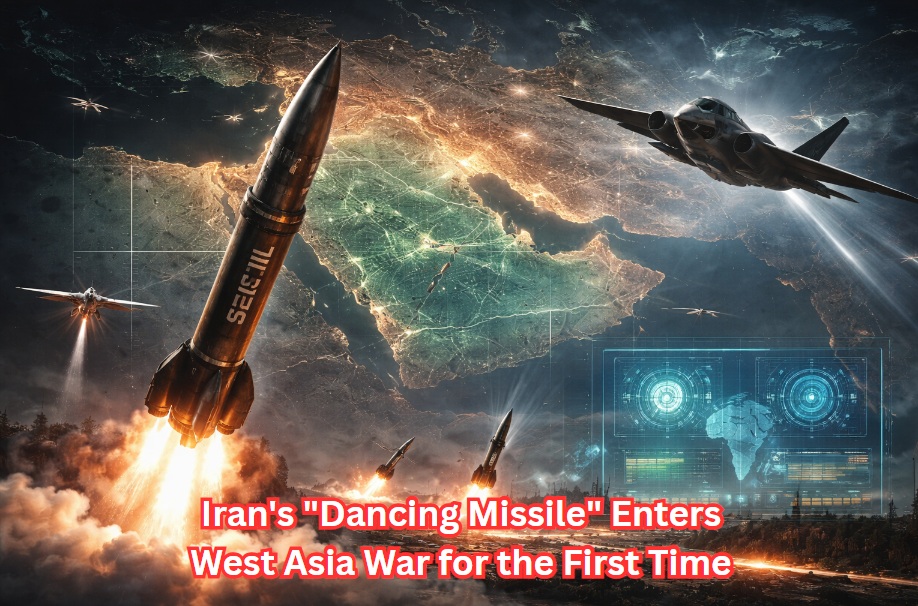
From Iran’s new ballistic missiles to AI-assisted targeting and stealth fighters, the West Asia war is becoming a testing ground for future weapons, signalling a major shift in modern warfare.
The ongoing conflict involving Iran, the United States and Israel is rapidly transforming into a testing ground for future weapons in West Asia. New-generation ballistic missiles, loitering drones, artificial intelligence targeting systems and stealth aircraft are being deployed in real combat conditions, offering a glimpse into how future wars may be fought.
Military analysts say the battlefield is now functioning as a live laboratory for advanced military technology, where emerging weapons are tested under real-world conditions.
West Asia War Becoming a Testing Ground for Future Weapons
The escalating conflict in West Asia is no longer just a regional geopolitical confrontation. Increasingly, it is turning into a testing ground for future weapons, with multiple nations deploying advanced military systems for the first time in combat.
Iran, the United States and Israel have all introduced new missile technologies, drone warfare capabilities and AI-powered targeting tools, transforming the battlefield into a proving ground for next-generation warfare.
Experts believe that many of these technologies could shape global military doctrines in the coming decades.
Iran Deploys Advanced Ballistic Missiles
One of the most notable developments in the war has been Iran’s deployment of advanced ballistic missile systems.
Among them is the Sejjil ballistic missile, a medium-range weapon capable of travelling approximately 2,000 kilometres, putting much of West Asia within reach.
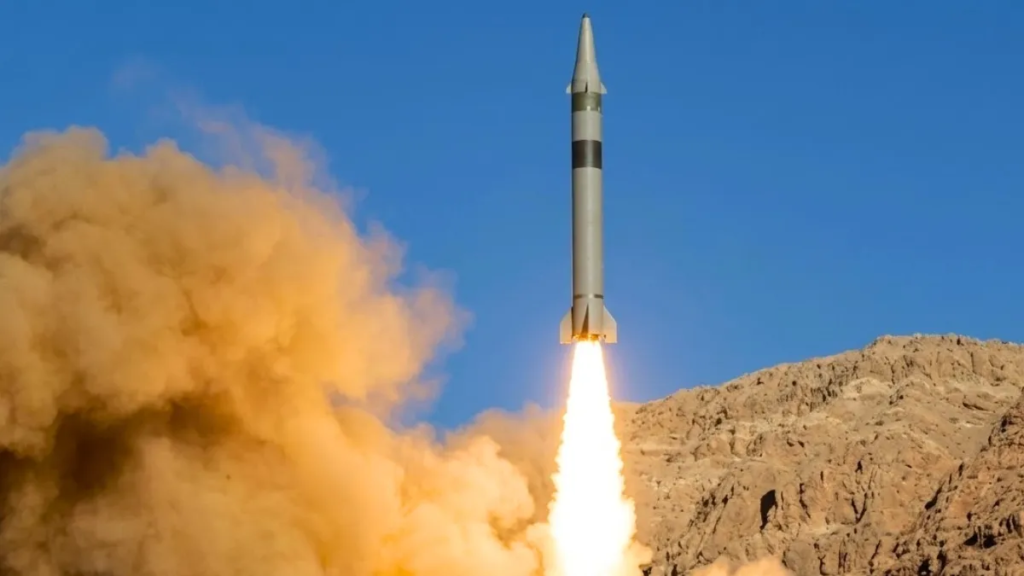
Unlike older missiles that require liquid fuel, the Sejjil uses solid propellant, allowing it to be launched more quickly and with minimal preparation.
Why Solid-Fuel Missiles Matter
Solid-fuel ballistic missiles provide several strategic advantages:
- Faster launch capability
- Reduced preparation time
- Easier concealment and mobility
- Greater survivability against pre-emptive strikes
These characteristics make such systems particularly valuable in modern conflicts.
Military experts also note that some Iranian missiles possess mid-flight manoeuvrability, making them harder to intercept by conventional air defence systems.
Iran’s Drone and Missile Strategy
Iran has relied heavily on missiles and unmanned aerial vehicles (UAVs) in its retaliatory strikes during the conflict.
One of the most widely used systems is the Shahed-136 drone, a one-way attack drone designed to strike targets by crashing into them.
Other missiles reportedly used include:
- Kheibar Shekan missile
- Khorramshahr-4 missile
- Ghadr-110 missile
Some strikes have reportedly included cluster munitions, which release multiple smaller bomblets over a wide area, increasing the destructive impact.
However, such weapons remain controversial due to the risks they pose to civilians.
US Introduces Precision Strike Missiles and New Drone Systems
The United States has also introduced advanced weapon systems during the conflict, reinforcing the perception that the West Asia war is becoming a testing ground for future weapons.
One key system is the Precision Strike Missile, a next-generation missile designed to replace older tactical missile systems.
The weapon can be launched from HIMARS platforms and is capable of striking targets with high accuracy at extended ranges.
Key Capabilities of the Precision Strike Missile
- Long-range precision targeting
- Compatibility with HIMARS launch systems
- Improved survivability and manoeuvrability
- Rapid battlefield deployment
The US has also introduced Task Force Scorpion drones, which are low-cost attack drones designed for quick battlefield strikes.
Israel Deploys Advanced Missile Systems and Stealth Fighters
Israel has also deployed several advanced military technologies as part of its operations.
One notable system is the Black Sparrow missile, which had previously been used primarily for missile defence testing.
Meanwhile, Israeli F-35 Lightning II fighter jets have reportedly achieved a historic milestone by recording the aircraft’s first air-to-air kill against a manned aircraft.
The development highlights the increasing role of stealth fighters and sensor fusion technology in modern combat operations.
Artificial Intelligence Enters the Battlefield
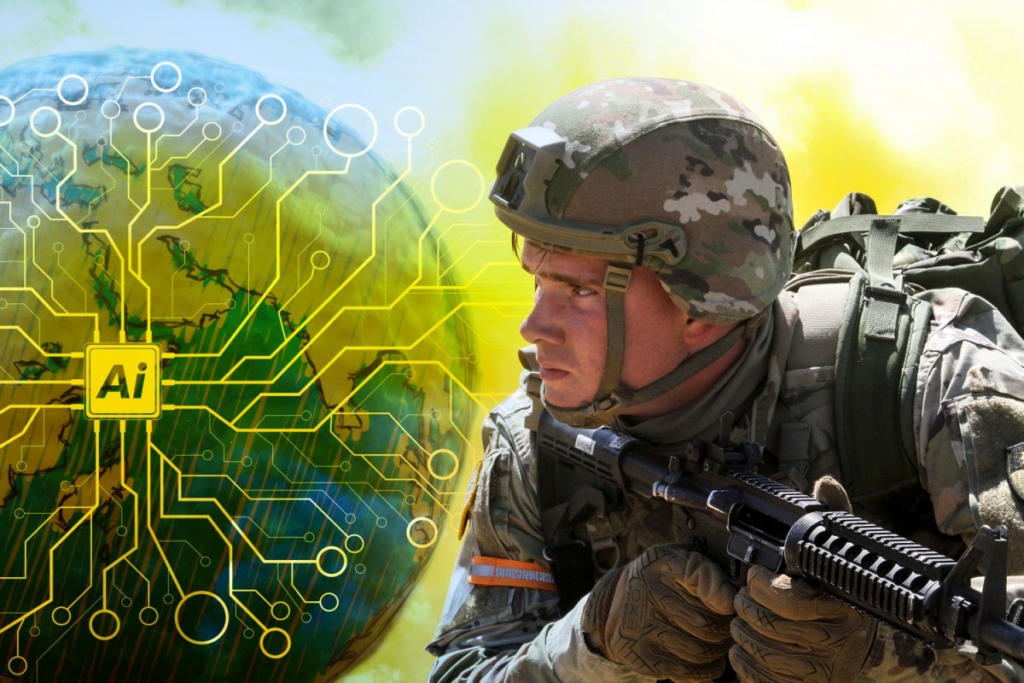
Another major development in the conflict is the growing use of artificial intelligence in warfare.
Both US and Israeli forces are reportedly using AI-assisted targeting systems that analyse battlefield data and help commanders identify high-value targets more quickly.
These systems are designed to shorten the “kill chain”, the time between detecting a target and launching an attack.
Role of AI in Modern Warfare
AI-powered systems can:
- Analyse large volumes of battlefield data
- Identify patterns and threats
- Prioritise high-value targets
- Improve decision-making speed
Defence experts say such technologies could redefine how wars are fought in the future.
Why the West Asia War Matters for Global Military Strategy
The fact that the West Asia war is becoming a testing ground for future weapons has significant implications beyond the region.
Historically, many military technologies—from drones to cyber warfare—have been refined during active conflicts before being adopted worldwide.
The current conflict is providing valuable data on the effectiveness of:
- manoeuvring ballistic missiles
- loitering drones
- precision strike weapons
- stealth aircraft
- AI-assisted targeting systems
Military planners across the world are closely monitoring these developments.
Future Wars Are Being Shaped in West Asia
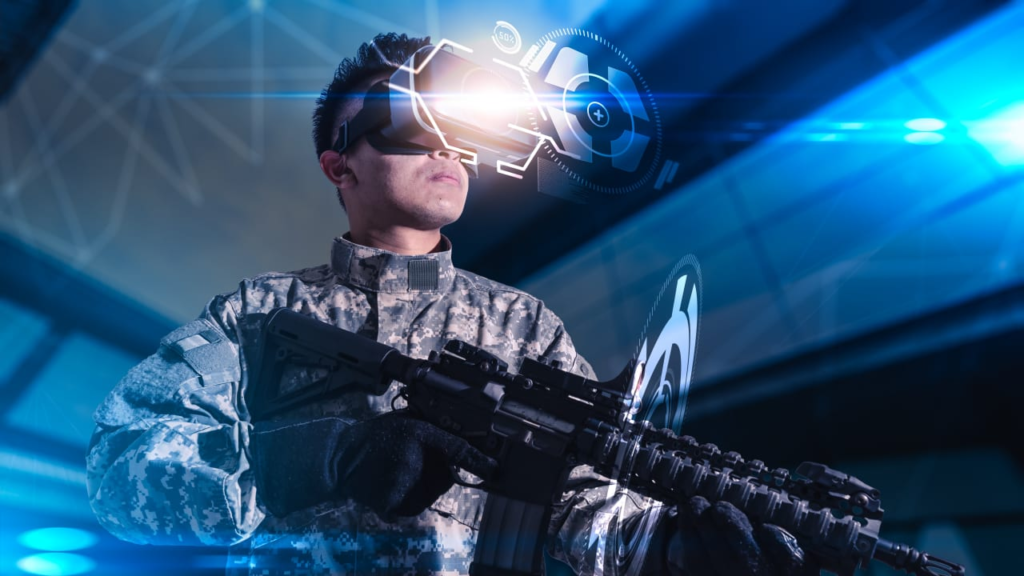
As the conflict continues, the West Asia war is becoming a testing ground for future weapons, with major powers deploying new technologies in real combat scenarios.
From advanced ballistic missiles and drone swarms to AI-enabled targeting systems and stealth fighters, the battlefield is offering a preview of how the wars of tomorrow may be fought.
For military strategists, the lessons emerging from this conflict could shape global defence planning for years to come.
FAQ Section
Q: Why is the West Asia war considered a testing ground for future weapons?
A: The conflict has seen the deployment of advanced missiles, drones, AI targeting systems and stealth aircraft for the first time in real combat.
Q: What new weapons are being used in the West Asia conflict?
A: Weapons include advanced ballistic missiles, loitering drones, precision strike missiles, stealth fighter jets and AI-assisted targeting systems.
Q: What role does artificial intelligence play in modern warfare?
A: AI helps analyse battlefield data, identify targets faster and shorten the time between detection and attack.
Q: Why are drones becoming important in warfare?
A: Drones provide cost-effective surveillance and strike capabilities while reducing risks to pilots.
Q: Could this conflict influence future wars?
A: Yes, technologies tested in this conflict could shape global military strategies and future combat doctrines.
References
- Iran’s first combat use of the Sejjil ballistic missile in strikes on US and Israeli positions signals escalation in missile tech testing.
Link: https://www.cnbctv18.com/world/iran-fires-sejjil-missile-for-first-time-in-west-asia-conflict-all-about-dancing-missile-ws-l-198 - US AI systems like Claude and Palantir enable ultra-fast targeting, striking hundreds of sites and shortening the “kill chain,” marking a shift to AI-driven warfare.
Link: https://www.theguardian.com/technology/2026/mar/03/iran-war-heralds-era-of-ai-powered-bombing-quicker-than-speed-of-thought - Moneycontrol details the Sejjil’s 2,000 km range, solid-fuel quick launch, and debut strikes on US/Israeli sites.
Link: https://www.moneycontrol.com/world/iran-s-dancing-missile-debuts-in-west-asia-conflict-what-the-sejjil-can-do-article-13861132.html - News18 explains its radar-deceiving maneuvers in Hindi, first used against US bases like Camp Arifjan.
Link: https://hindi.news18.com/world/middle-east-iran-first-time-uses-sejjil-2-dancing-missiles-deceives-radar-highly-maneuverable-war - Odisha Bytes covers its evasion of air defenses with 2,000 km range in the 16-day war mark.
Link: https://odishabytes.com/iran-launches-its-dancing-ballistic-missile-can-evade-air-defence-systems/ - News18 English on its first war use post-Feb 28 escalation, targeting Jerusalem/Washington-linked positions.
Link: https://www.news18.com/world/iran-launches-sejjil-for-1st-time-in-ongoing-west-asia-war-all-about-the-dancing-missile-ws-l-99622 - NewsX specs: 23,600 kg weight, nuclear-capable, evades Patriot/Arrow systems via swiveling re-entry.
Link: https://www.newsx.com/world/iran-us-israel-conflict-war-live-updates-ballistic-missiles-dancing-missile-sejjil-missiile-sejjil-2 - Deccan Herald explainer on its advanced MRBM status and interception challenges.
Link: https://www.deccanherald.com/world/middle-east/explained-what-is-irans-dancing-missile-3933503 - The Sejjil launches from mobile trucks, carries ~700 kg warheads, and hit targets like Tel Aviv previously, now US Gulf bases amid rising casualties.
- Video Coverage
- YouTube: “Iran Unleashes ‘Dancing’ Sejjil Missile on U.S-Israel” (footage from Wave 54).
Link: https://www.youtube.com/watch?v=NO6vTe29tw0 - YouTube: “Iran Fires ‘Dancing Missile’ Sejjil In New Wave” (first conflict use details).
Link: https://www.youtube.com/watch?v=LNc2HpWVkUk - YouTube: “Iran’s Dancing SEJJIL Missiles BOMB Tel Aviv, Haifa” (raw launch footage).
Link: https://www.youtube.com/watch?v=nd-3e5rCi_8