 Digital Team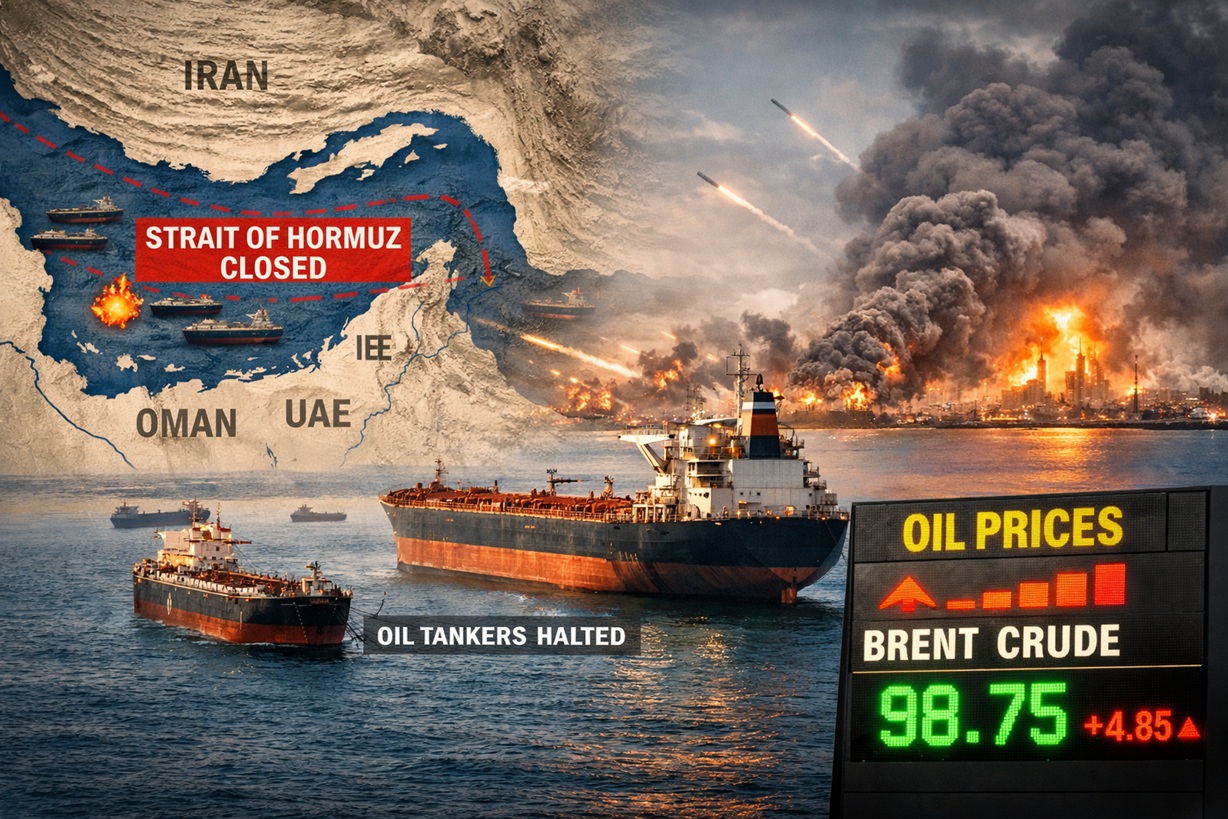
US-Iran war intensifies after Khamenei killing; Strait of Hormuz closure triggers oil surge fears and regional retaliation
The US-Iran war escalates dramatically over the last 24 hours after a joint US-Israel strike reportedly kills Iran’s Supreme Leader Ayatollah Ali Khamenei, triggering regional retaliation and shaking the global oil market. Iran declares the Strait of Hormuz closed, launches missile barrages across the Gulf, and global crude prices spike amid fears of supply disruption.
US-Iran War: What Happened in the Last 24 Hours
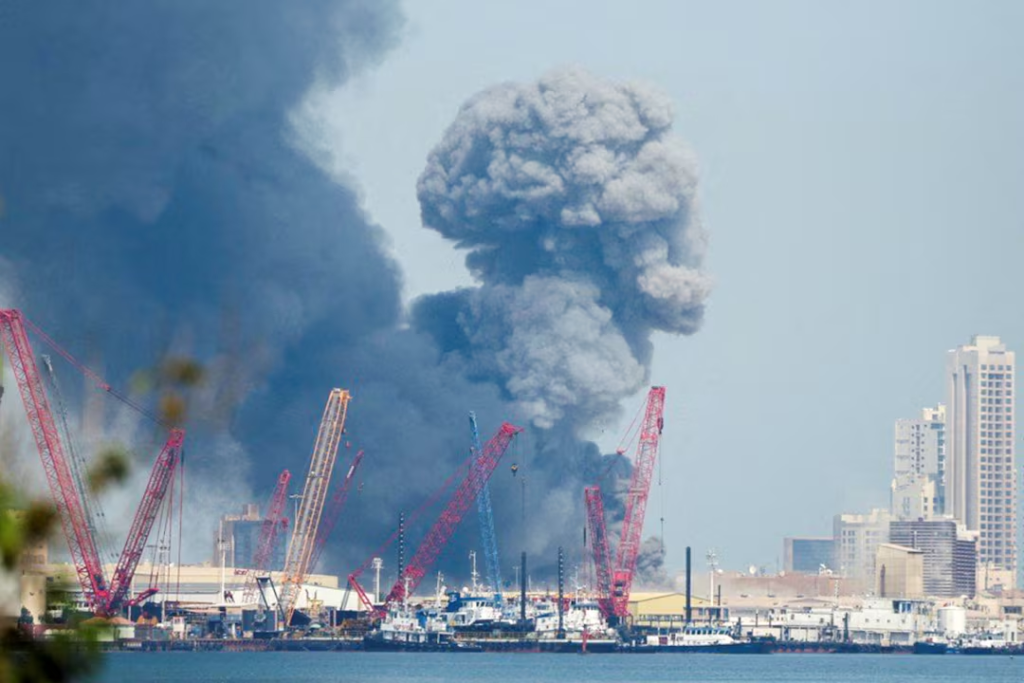
The crisis deepens after coordinated US and Israeli airstrikes — codenamed Operation Epic Fury and Operation Roaring Lion — hit more than 500 targets across Iran, including military installations, missile silos and suspected nuclear-linked sites.
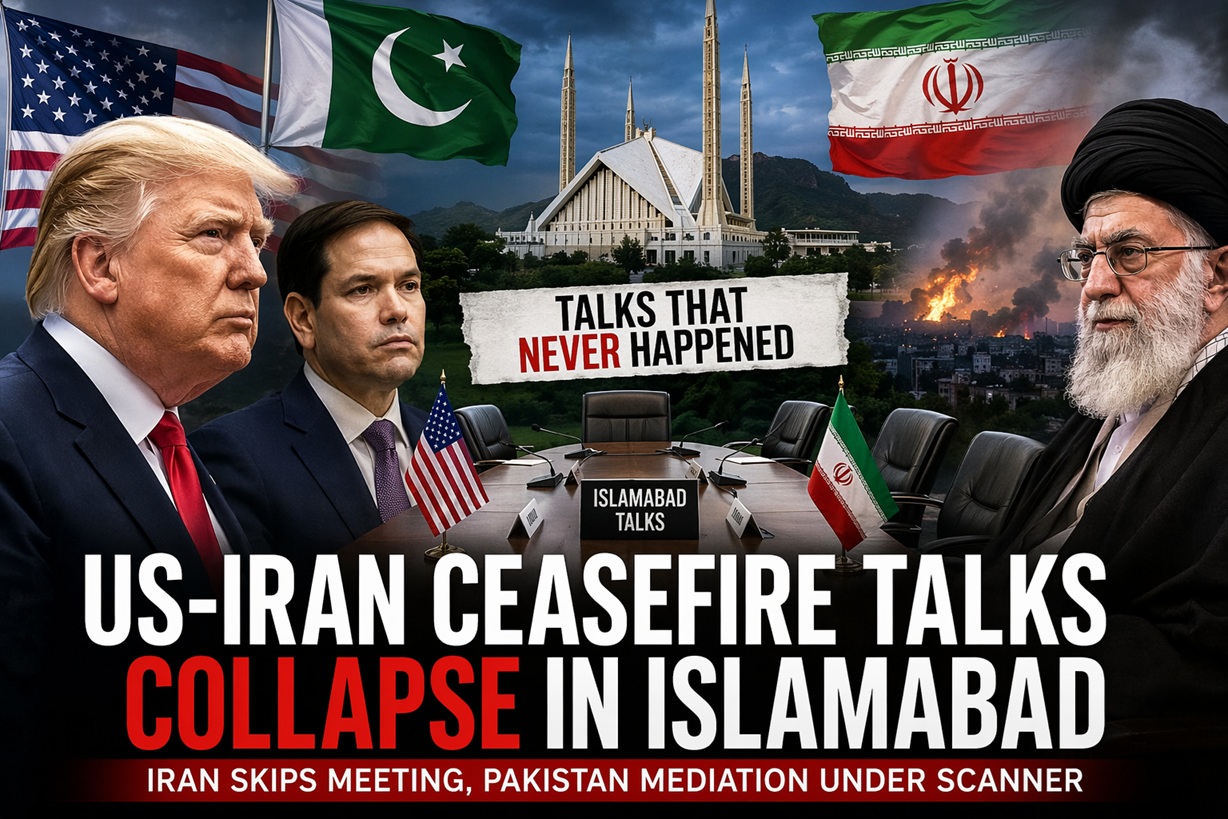
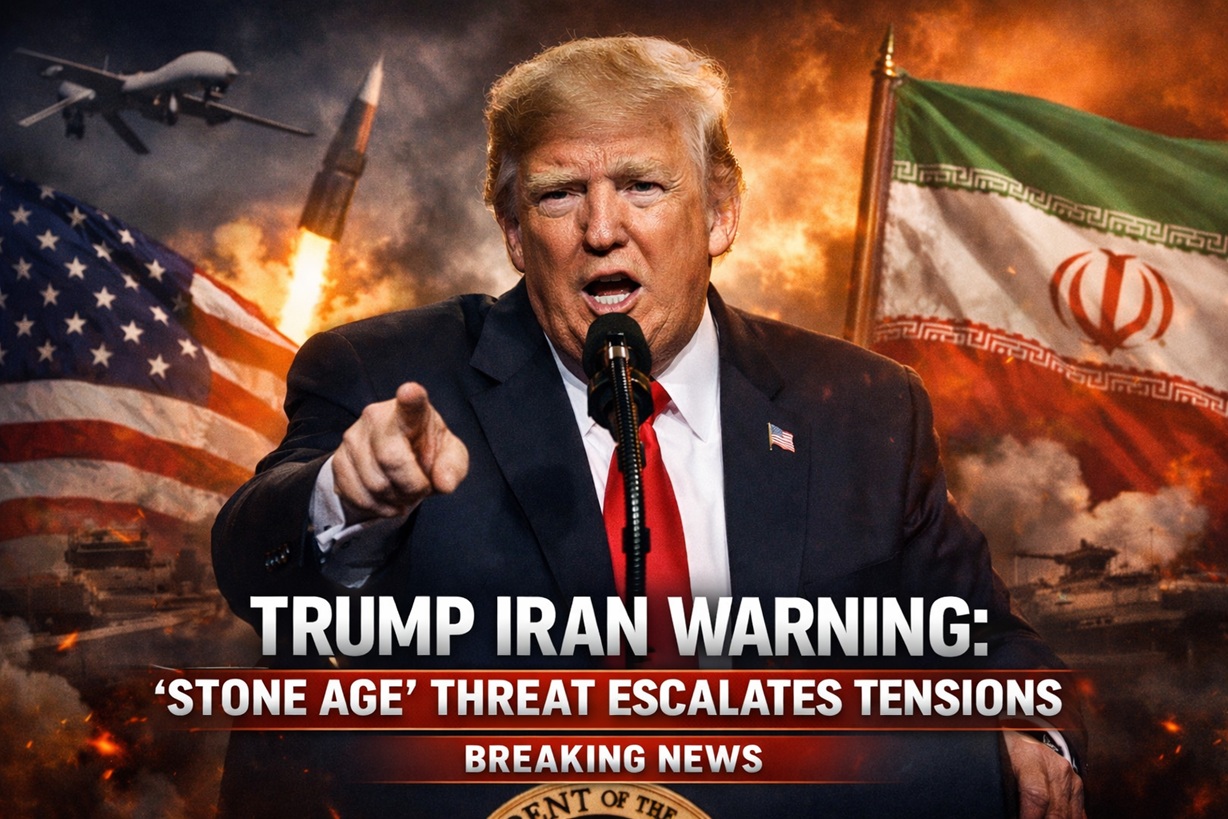
Iranian state media confirms the death of Ayatollah Ali Khamenei early Sunday. US President Donald Trump announces the strike on social media, calling it a “necessary step to neutralise hostile command structures.”
Leadership Vacuum in Tehran
Under Article 111 of Iran’s Constitution, a three-member interim council assumes authority:
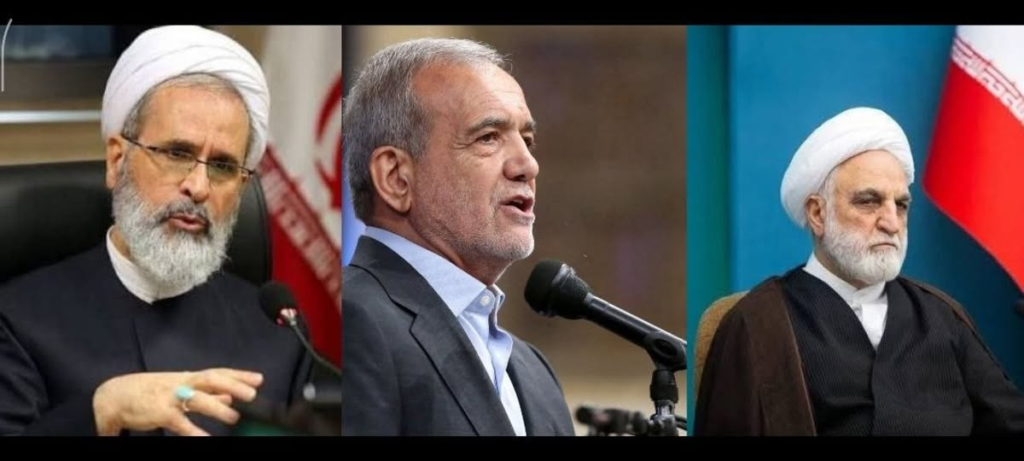
- Masoud Pezeshkian, President of Iran
- Gholam-Hossein Mohseni-Ejei, Chief Justice
- Ayatollah Alireza Arafi, senior jurist
The Assembly of Experts begins deliberations to appoint a successor. Analysts say the Islamic Revolutionary Guard Corps (IRGC) may play a decisive role.
Meanwhile, protests erupt across Tehran. Enghelab Square witnesses mourning crowds, while videos show scattered celebrations elsewhere in the capital.
Regional Retaliation Widens the US-Iran War
Iran responds with missile and drone attacks targeting US military bases in Qatar, Bahrain, Kuwait, Jordan and the UAE. Explosions are reported in Dubai and Doha after intercepted drones fall into residential areas.
Israel Under Fire
Tel Aviv and Haifa face intermittent rocket attacks. Israeli defence systems intercept most projectiles, though residential damage is reported.
The Pentagon says there are “no confirmed US casualties” so far. However, tensions remain high around the USS Abraham Lincoln carrier group in the Arabian Sea.
Global Oil Market Impact: $100 Per Barrel Warning
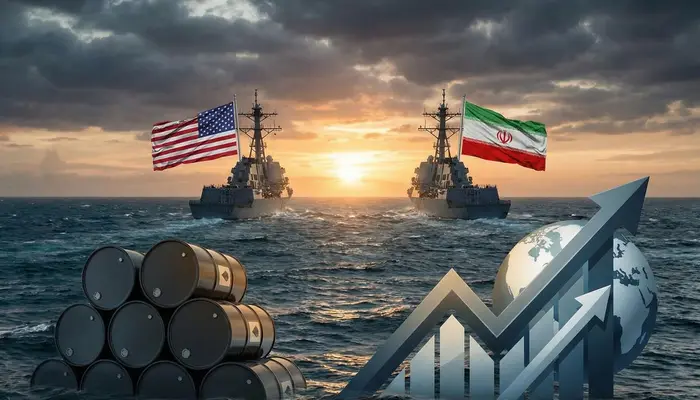
The US-Iran war now threatens global energy stability.
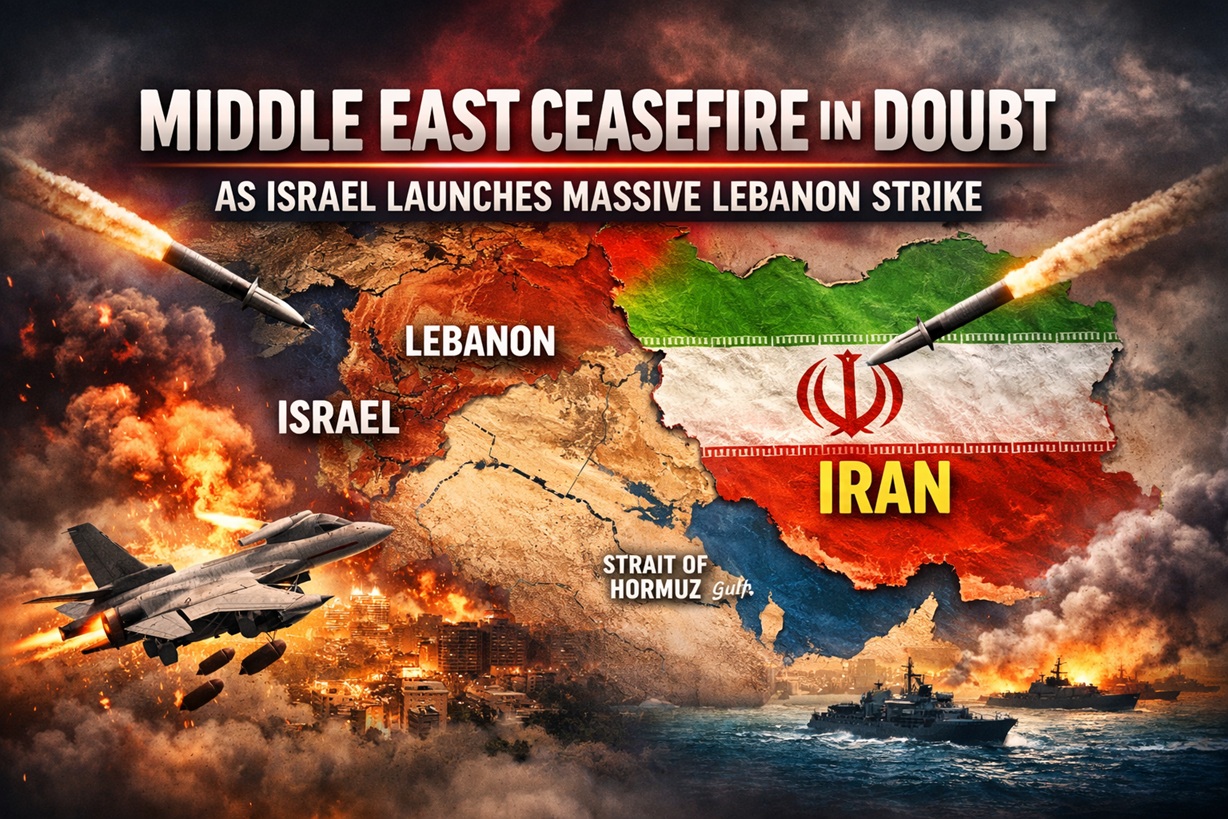
Strait of Hormuz Closure
Iran warns vessels against transiting the Strait of Hormuz — a chokepoint through which nearly 20% of global oil supply passes (about 20 million barrels per day).
At least three oil tankers report damage off Oman’s coast. Over 200 vessels anchor outside the conflict zone.
Brent Crude Surges
Brent crude jumps nearly 10% in weekend trading, hovering close to $80 per barrel. Analysts at Barclays and RBC warn prices could cross $92–$100 if disruptions persist.
OPEC+ announces a modest output increase of 206,000 barrels per day starting April. Market experts call it “insufficient” compared to potential losses of 8–10 million barrels daily.
Airspace Closures and Global Travel Chaos
Multiple countries — including Iran, Israel, Iraq, Qatar and the UAE — close airspace. Airlines such as Emirates and Etihad suspend operations.
Thousands of passengers remain stranded worldwide, disrupting trade and tourism.
International Reactions to the US-Iran War
Global leaders call for restraint.
- The European Union urges “maximum de-escalation.”
- The UK warns against further military expansion.
- Russia calls for an emergency International Atomic Energy Agency (IAEA) session.
- Saudi Arabia condemns Iranian missile strikes on Gulf states.
In the United States, anti-war protests erupt in New York and Washington DC. In Karachi, protesters storm the US consulate, resulting in casualties.
What Happens Next?
Security analysts say the coming days are critical. If the Strait of Hormuz remains closed, the global oil market could face severe supply shocks, fuelling inflation worldwide.
The US-Iran war now risks transforming into a prolonged regional conflict involving multiple Gulf nations. Diplomatic backchannels are reportedly active, but no ceasefire signals emerge yet.
US-Iran War and the Energy Shock
The US-Iran war has rapidly evolved into a regional confrontation with profound geopolitical and economic consequences. With oil markets on edge and leadership uncertainty in Tehran, global stability hangs in the balance. The next 48 hours could determine whether diplomacy prevails or the conflict widens further.
FAQs
Q: Why did oil prices rise after the US-Iran war escalation?
A: Iran’s closure of the Strait of Hormuz threatens nearly 20% of global oil supply, triggering fears of shortages.
Q: Who is leading Iran after Khamenei’s death?
A: A three-member interim council under Article 111 of the Constitution is overseeing governance.
Q: Is the Strait of Hormuz fully closed?
A: Iran has warned vessels against transit, and shipping traffic has sharply declined.
Q: Could oil prices hit $100 per barrel?
A: Analysts warn prices could cross $100 if supply disruption continues.
References
https://www.cbsnews.com/live-updates/us-iran-war-israel-supreme-leader-khamenei-funeral-day-2
https://www.cnbc.com/2026/03/01/us-iran-live-updates-khamenei-death-trump-gulf-strikes.html