 Digital Team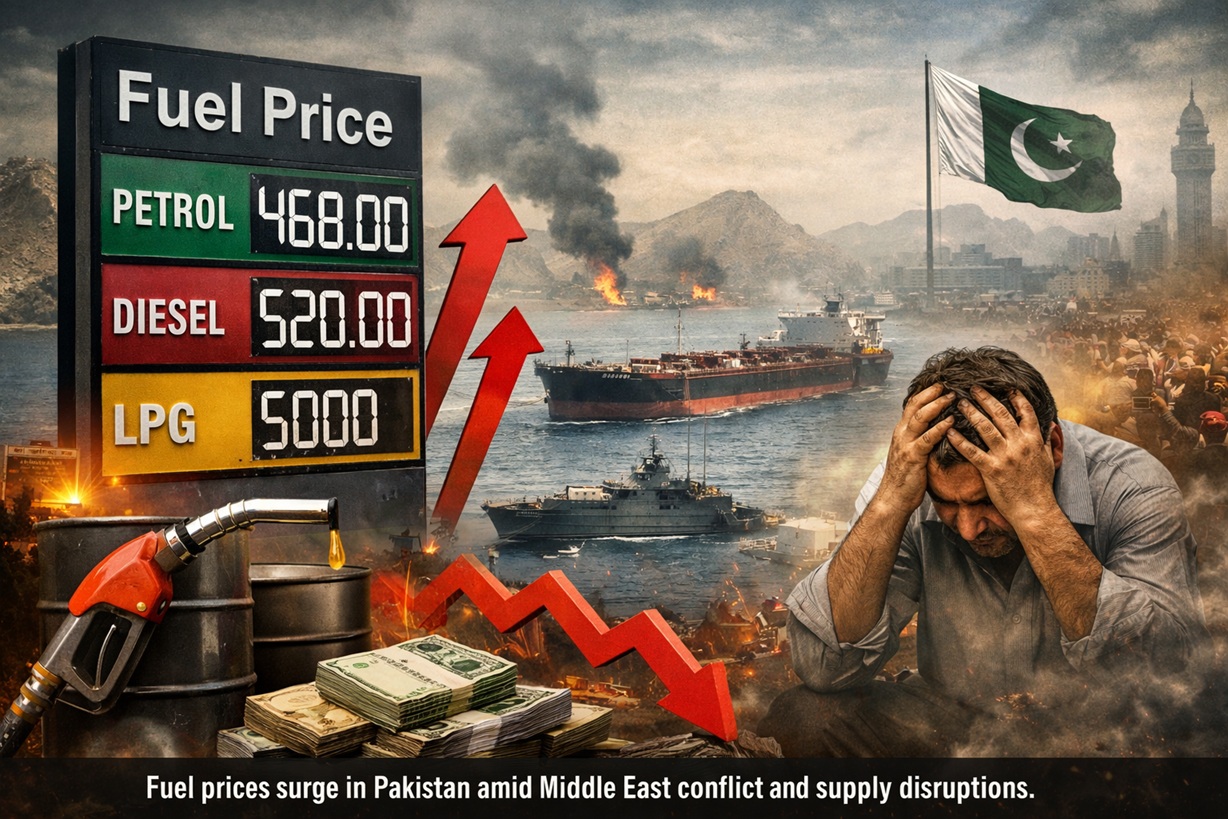
Middle East conflict disrupts Pakistan fuel supply as UAE debt pressure mounts, triggering economic and political instability
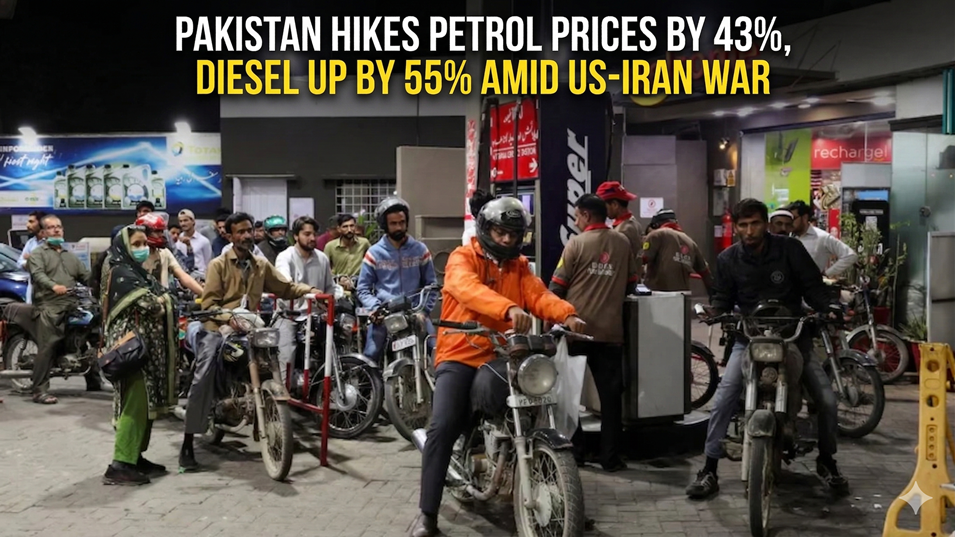
Pakistan is grappling with a deepening Pakistan fuel crisis as escalating tensions involving Iran, Israel, and the United States disrupt oil supplies. On April 2, the government announced a sharp hike in fuel prices, with diesel rising by nearly 55%, intensifying economic distress and public unrest across the country.
Pakistan Fuel Crisis Deepens Amid Global Oil Disruptions
The ongoing geopolitical conflict has severely impacted Pakistan’s energy security. Diesel prices have surged to ₹520 per litre, while petrol has climbed to ₹468 per litre, creating an unusual inversion where diesel costs more than petrol.
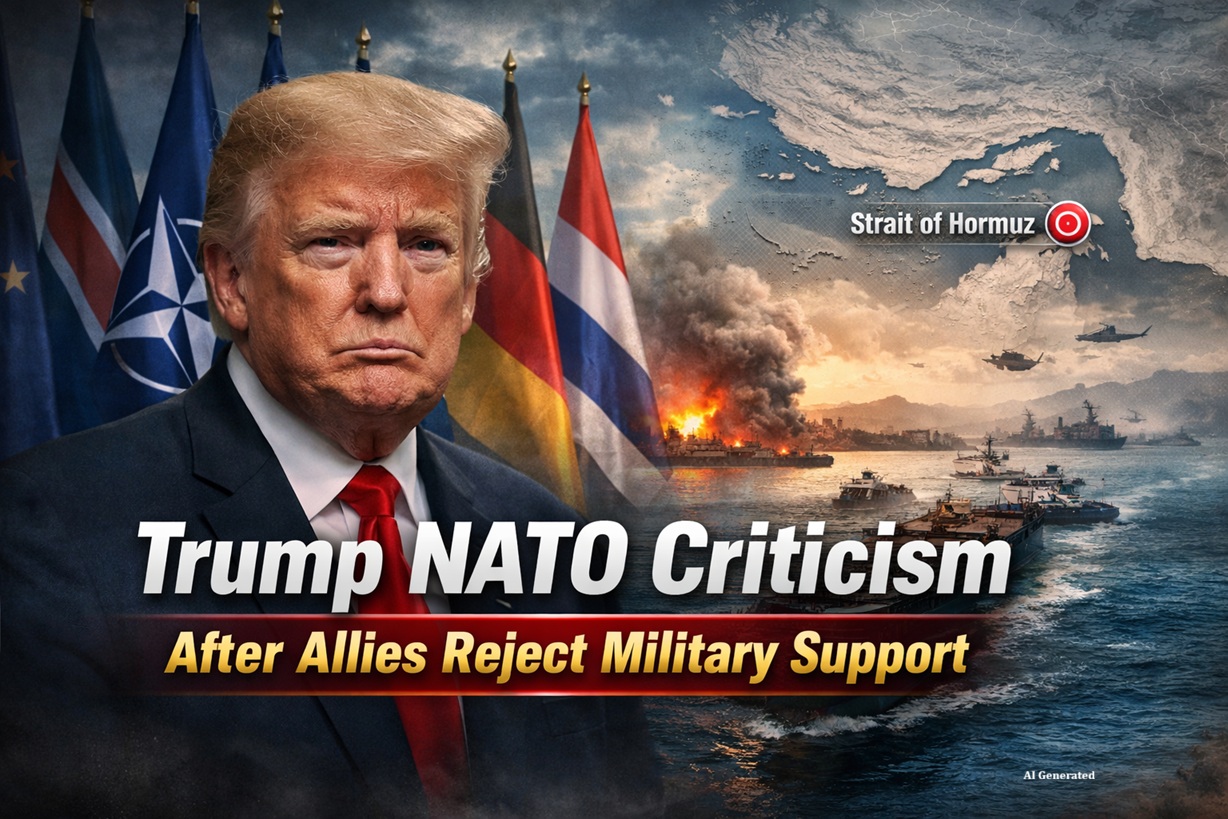
Experts say the Pakistan fuel crisis stems largely from disrupted Iranian oil shipments via the Strait of Hormuz, a critical global oil route.
Key Developments
- Diesel price: ₹520/litre (approx. 50–55% hike)
- Petrol price: ₹468/litre
- Gas cylinder cost: ₹5,000
- Fuel reserves reportedly down to six days
Analysts describe the situation as “unsustainable,” warning of cascading effects on transport, agriculture, and inflation.
Supply Chain Breakdown and Strait of Hormuz Impact
Pakistan’s heavy reliance on Iranian oil has made it particularly vulnerable. The conflict has disrupted maritime routes, especially through the Strait of Hormuz, through which nearly 20% of global oil flows.
Why supply collapsed
- Iranian oil shipments halted amid conflict
- Shipping risks increased due to military escalation
- Insurance costs for tankers surged
The Pakistan fuel crisis highlights structural weaknesses in energy diversification and strategic reserves.
UAE Debt Pressure Adds to Pakistan Fuel Crisis
Compounding the crisis, the United Arab Emirates has demanded repayment of a $2 billion deposit extended to Pakistan.
Financial Risks
- UAE deposit critical for IMF loan eligibility
- Withdrawal threat may derail bailout
- External reserves under severe strain
Financial analysts warn that losing this deposit could jeopardise Pakistan’s ability to secure International Monetary Fund assistance.
Diplomatic Fallout and Mediation Failure
Pakistan’s attempt to mediate in the Middle East conflict reportedly backfired. A diplomatic meeting involving regional powers collapsed within hours, exposing Islamabad’s limited influence.
Officials from Saudi Arabia and Egypt reportedly walked out, raising questions over Pakistan’s diplomatic strategy.
Meanwhile, UAE officials expressed dissatisfaction over Pakistan’s unilateral mediation efforts, further straining ties.
Allegations of Corruption Add to Crisis
Reports have emerged alleging irregularities in negotiations led by Prime Minister Shehbaz Sharif.
Sources claim shipping firms were asked for payments to ensure safe passage, but deliveries failed to materialise, worsening the supply crunch.
While these claims remain unverified, they have intensified political criticism domestically.
Public Unrest and Economic Fallout
The sharp fuel price hike has triggered protests across major cities. Rising transport and energy costs are pushing inflation higher, affecting daily life.
Impact on citizens
- Increased food and transport costs
- Power outages due to fuel shortages
- Rising unemployment concerns
Observers warn of a potential crisis similar to Sri Lanka’s economic collapse if the situation worsens.
Iran’s Strategic Escalation Raises Regional Risks
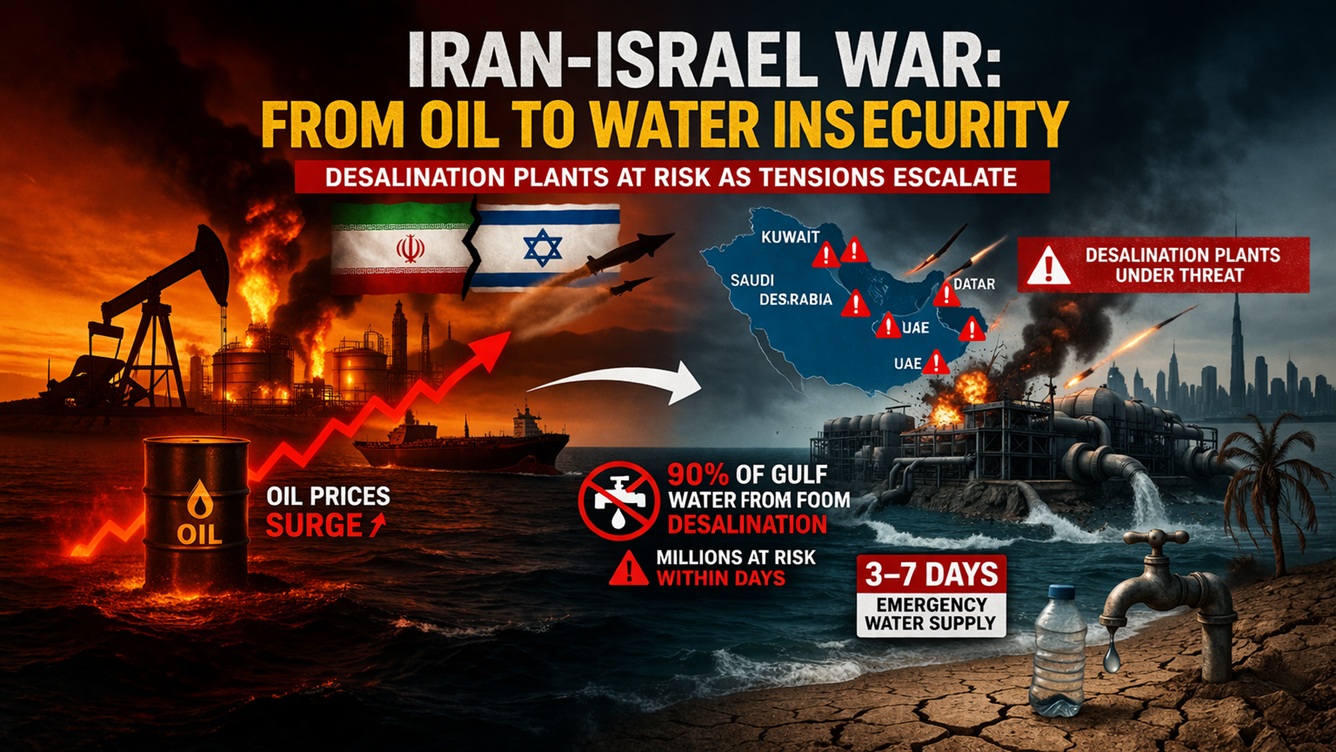
Iran has escalated tensions by threatening infrastructure targets and demonstrating military capability through strikes, including attacks near Israel’s Haifa port.
This escalation further complicates oil supply routes and regional stability.
India’s Strategic Neutrality Gains Attention
In contrast, India has maintained a neutral diplomatic stance. Prime Minister Narendra Modi has avoided direct involvement while engaging key global players.
Recent engagements with Russia and other partners suggest India is positioning itself as a stabilising force amid the crisis.
Global Implications of Pakistan Fuel Crisis
The Pakistan fuel crisis underscores how regional conflicts can trigger global economic ripple effects.
Broader consequences
- Rising global oil prices
- Supply chain disruptions
- Increased geopolitical uncertainty
Experts stress the need for diversified energy strategies and stronger diplomatic coordination.
What Lies Ahead for Pakistan Fuel Crisis
The Pakistan fuel crisis is rapidly evolving into a multi-dimensional challenge involving energy shortages, diplomatic setbacks, and financial instability.
In the coming weeks, Pakistan must secure alternative fuel sources, stabilise foreign relations, and address domestic unrest. Failure to act decisively could deepen the crisis and push the economy closer to collapse.
❓ FAQs
Q1: What caused the Pakistan fuel crisis?
A: The crisis is driven by disrupted Iranian oil supplies due to Middle East conflict and poor fuel reserves.
Q2: Why are fuel prices so high in Pakistan?
A: Supply shortages, global oil price rise, and currency pressure have led to sharp increases.
Q3: How is UAE linked to the Pakistan fuel crisis?
A: UAE has demanded repayment of a $2 billion deposit crucial for Pakistan’s IMF loan eligibility.
Q4: Could this crisis lead to economic collapse?
A: Experts warn prolonged instability could trigger a situation similar to Sri Lanka’s crisis.
Q5: How is India responding to the crisis?
A: India is maintaining neutrality while strengthening diplomatic ties with global players.
References
- ABP Live: Full coverage of the crisis, price hikes (diesel to PKR 520.35/litre, +54.9%), and Middle East conflict impact. Direct link: https://news.abplive.com/news/world/pakistan-fuel-crisis-global-oil-shock-diesel-surges-55-petrol-up-42-1834324
- Times of India: Details Hormuz disruption causing diesel up 55% and petrol 42%, with government subsidy cuts. Direct link: https://timesofindia.indiatimes.com/business/international-business/pakistan-fuel-crisis-deepens-diesel-up-55-petrol-rises-42-amid-hormuz-disruption/articleshow/109425678.cms
- NDTV: Reports 43% petrol and 55% diesel hikes amid US-Iran war supply issues. Direct link: https://www.ndtv.com/world-news/pakistan-hikes-petrol-prices-by-43-diesel-up-by-55-amid-us-iran-war-asia-energy-crisis-global-en
- https://www.youtube.com/watch?v=EC24f373ukU
- Primary Keywords:
- Pakistan fuel prices, Iran oil supply disruption, UAE debt Pakistan, global oil crisis, Pakistan economy crisis, Middle East conflict impact
- LSI Keywords:
- fuel shortage Pakistan, diesel price hike Pakistan, IMF loan Pakistan, Strait of Hormuz crisis, oil supply disruption, Pakistan inflation crisis, energy security Pakistan