 Digital Team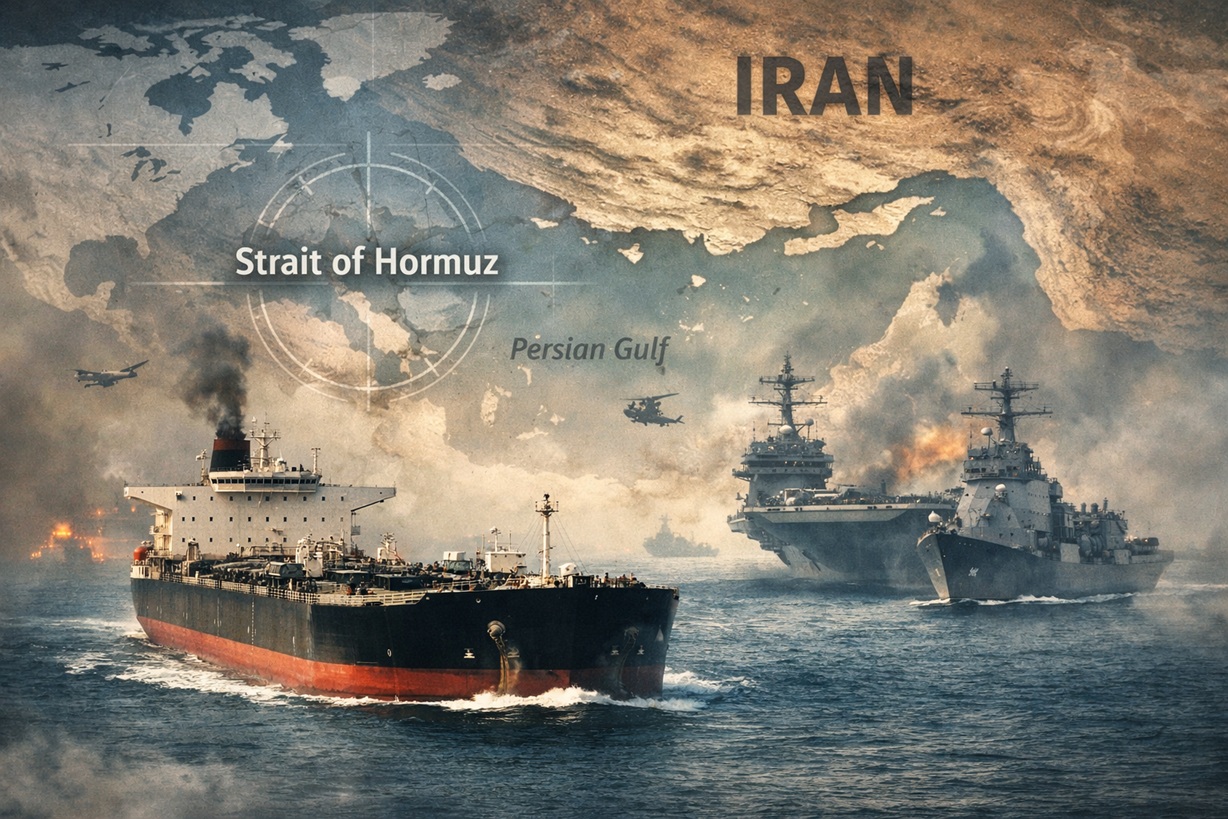
Allies refuse to join US naval push in Strait of Hormuz amid Iran-Israel tensions
The Iran vs US-Israel war has triggered a major diplomatic setback for former US President Donald Trump, as key global allies decline to support Washington’s proposed naval coalition in the Strait of Hormuz. The refusal comes amid escalating Middle East tensions and fears of a wider conflict disrupting global oil supply chains.
Iran vs US-Israel war: Coalition push falters
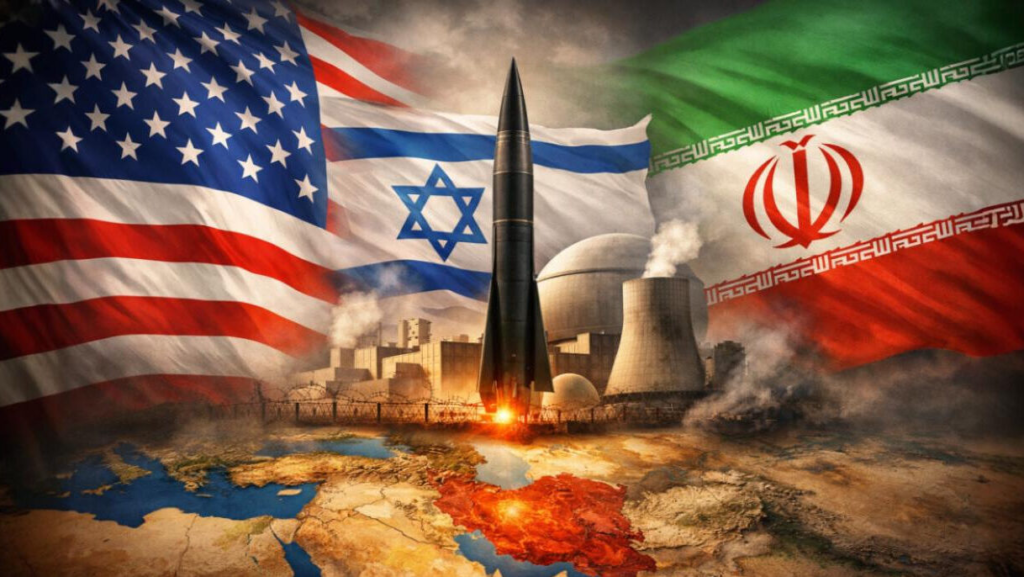
In a significant geopolitical development, the United States’ attempt to form a multinational naval coalition to secure the Strait of Hormuz has failed to gain traction. Countries including United Kingdom, France, Germany, Japan, South Korea, Australia, and China have declined to deploy warships.
Germany publicly ruled out military participation, while Japan and South Korea cited the “extremely sensitive” regional situation. The collective reluctance underscores global unease over escalating the Iran vs US-Israel war into a broader international conflict.
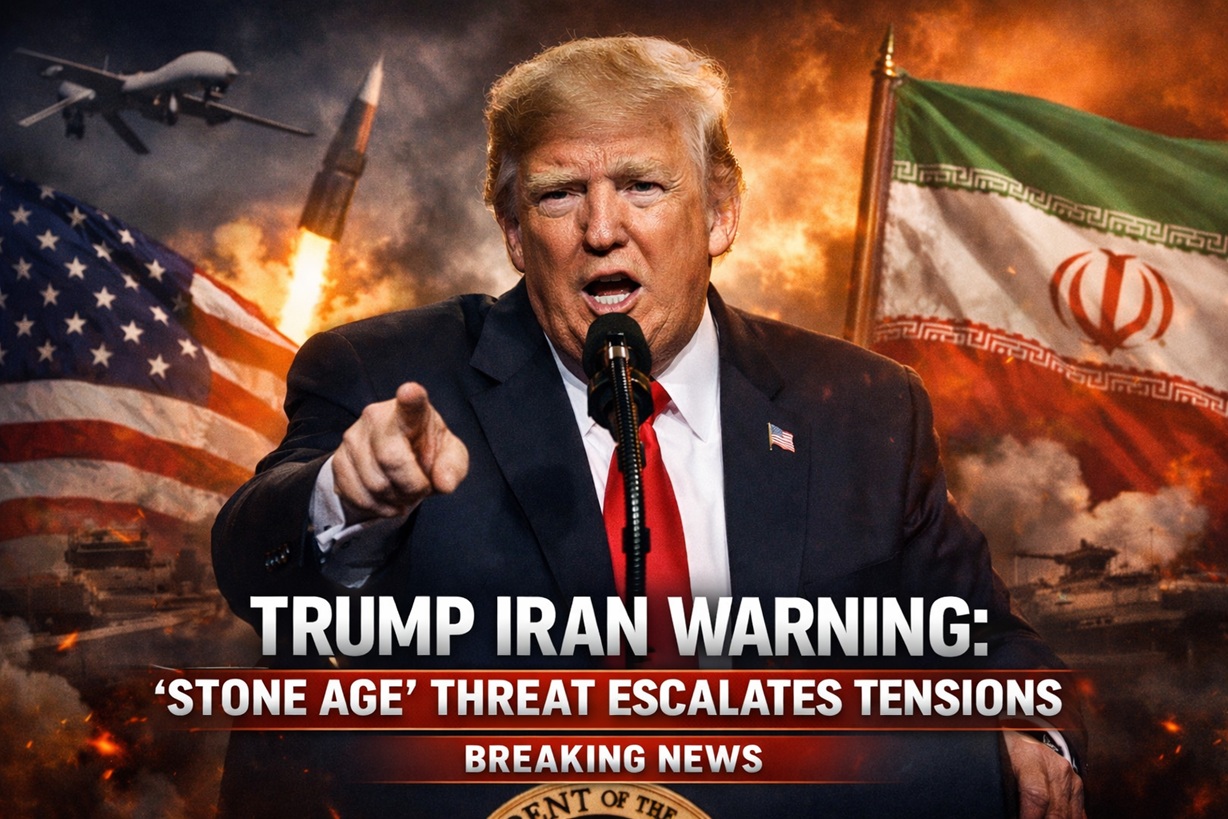
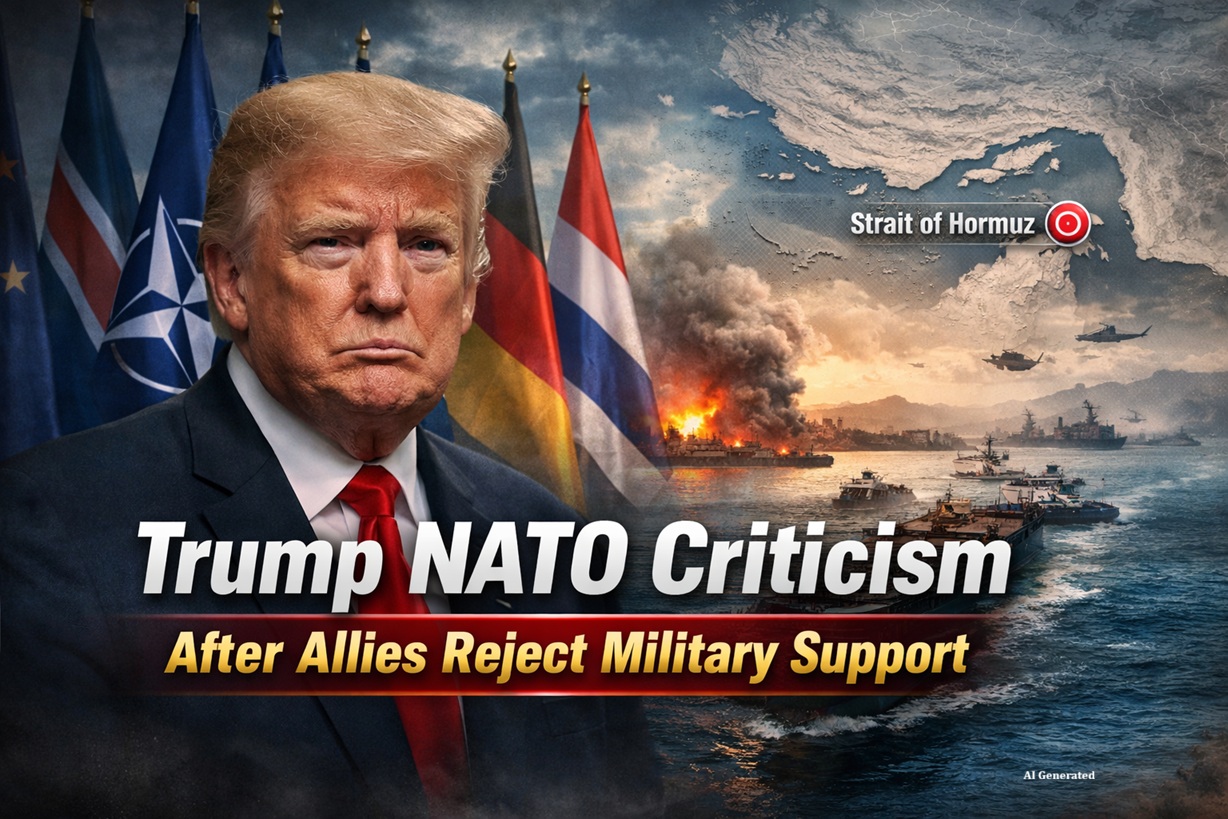
Trump, expressing frustration, warned that lack of cooperation could push oil prices as high as $200 per barrel and even questioned the future cohesion of NATO.
Why the Strait of Hormuz matters in Iran vs US-Israel war
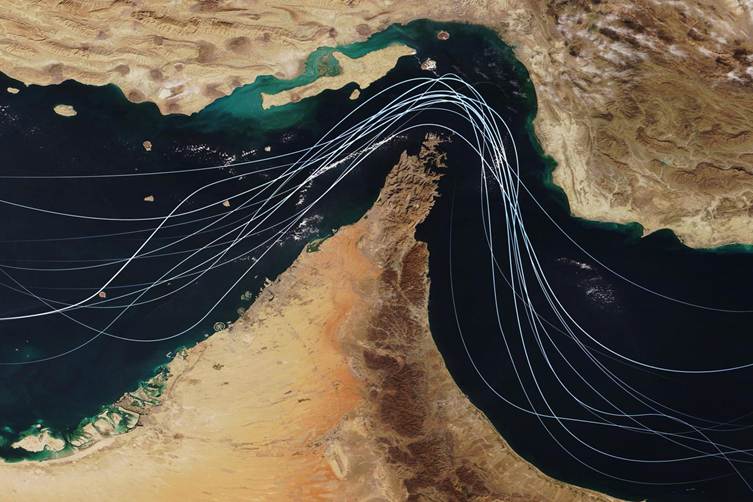
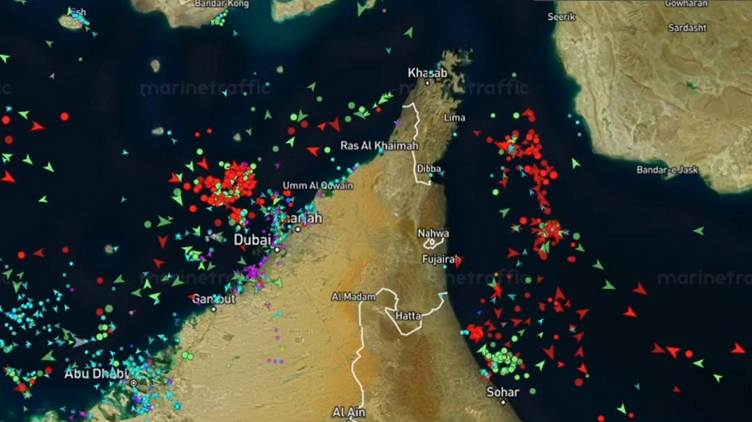
The Strait of Hormuz is one of the world’s most critical energy corridors.
Key facts:
- Nearly 20% of global oil supply passes through this narrow passage
- Connects the Persian Gulf to the Arabian Sea
- Vital for exports from Saudi Arabia, Iraq, UAE, Kuwait, and Qatar
Amid the ongoing Iran vs US-Israel war, disruptions in this chokepoint have triggered fears of a global energy crisis.
Trump’s ‘pressure diplomacy’ faces resistance
The US strategy hinges on compelling oil-importing nations to take responsibility for securing supply routes. However, analysts say this “pressure diplomacy” has backfired.
Why allies refused:
- Fear of direct confrontation with Iran
- Risk of escalating into a full-scale regional war
- Domestic political constraints in allied countries
- Lack of UN-backed international mandate
A European diplomatic source noted that “military involvement without a clear multilateral framework risks destabilising global security further.”
Geopolitics of the Iran vs US-Israel war
Iran has strategically shifted the conflict theatre toward maritime chokepoints rather than direct mainland confrontation.
Strategic advantages for Iran:
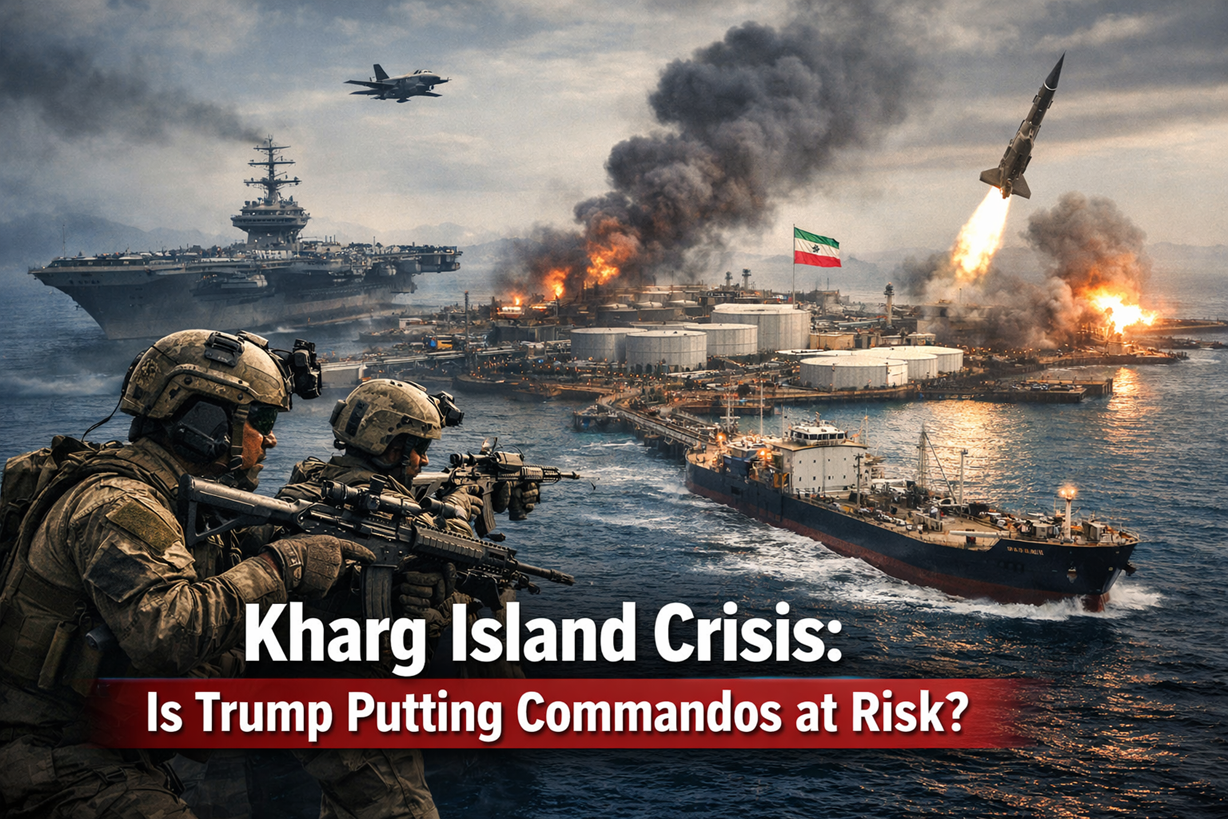
- Control over key islands like Kharg Island
- Ability to disrupt tanker routes using asymmetric warfare
- Deployment of paramilitary forces such as the Basij
Nearly 90% of Iran’s oil exports pass through Kharg Island, making it a critical node in the conflict.
Echoes of past conflicts: Tanker War revisited
The current tensions mirror the “Tanker War” phase of the Iran-Iraq War, when both sides targeted oil shipments.
In 1987, the US intervened to protect Kuwaiti tankers, culminating in Operation Praying Mantis—one of the largest naval engagements since World War II.
Why history matters now:
- Past interventions triggered global backlash
- High risks of asymmetric retaliation
- Avoidance of full-scale invasion due to ground resistance
These lessons continue to shape current US military calculations.
Impact on India and global markets
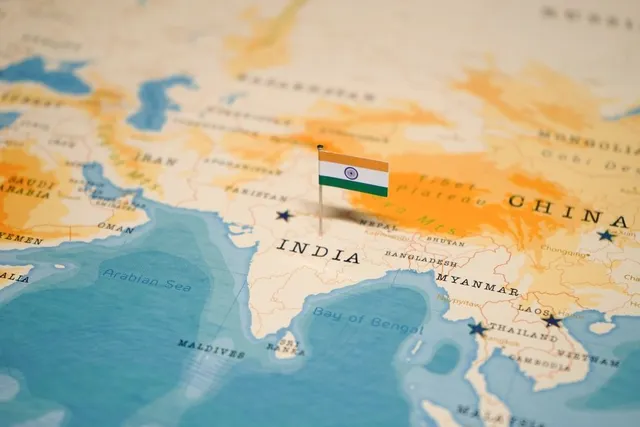
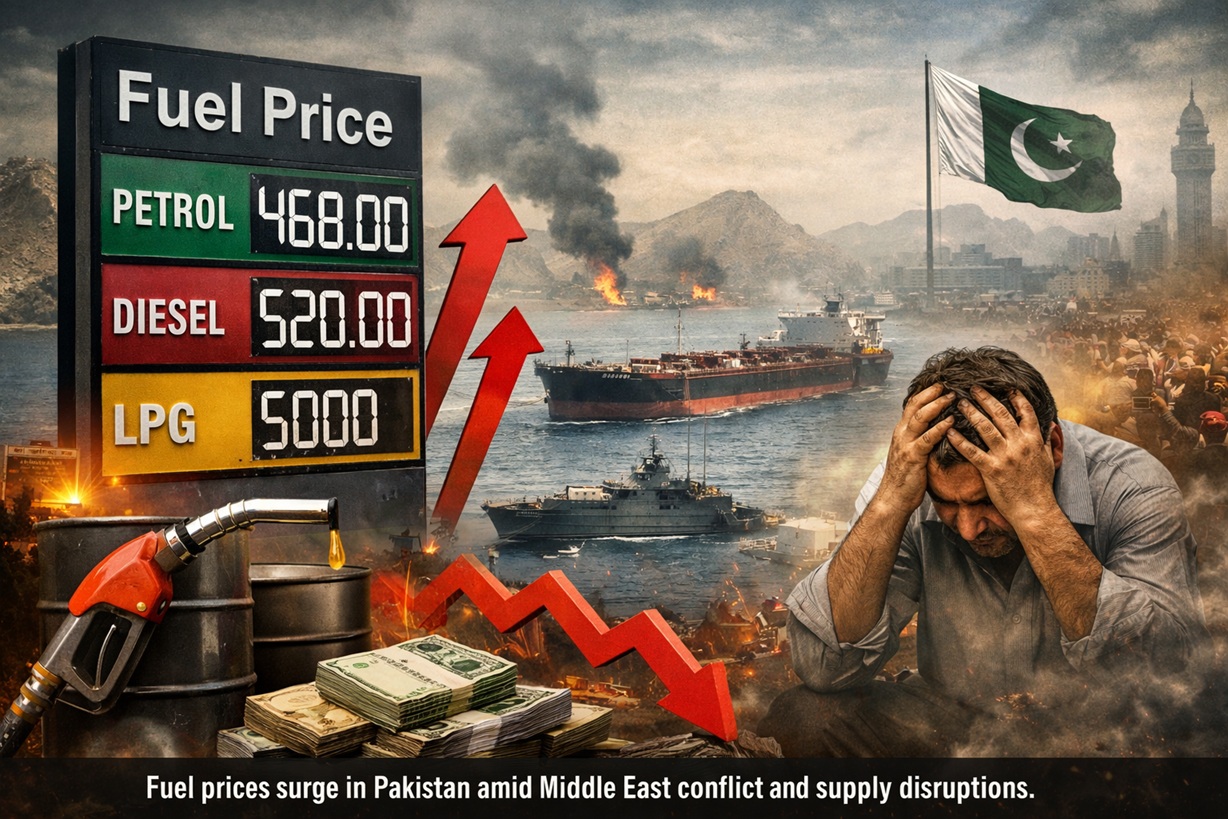
India, heavily dependent on Gulf energy supplies, is closely monitoring developments. The recent arrival of an LPG shipment at Gujarat’s Vadinar port offers temporary relief, but uncertainties remain.
Potential impacts:
- Surge in crude oil prices
- Supply chain disruptions
- Inflationary pressure on emerging economies
Energy experts warn that prolonged disruption in the Iran vs US-Israel war could destabilise global markets.
What next in Iran vs US-Israel war?
With allies stepping back, Trump has shifted tone, asserting that the US can act independently if required. However, unilateral action carries significant geopolitical and military risks.
Experts suggest three possible scenarios:
- Diplomatic de-escalation via international mediation
- Limited naval engagement by US forces
- Wider regional conflict involving multiple actors
The coming weeks will be critical in determining the trajectory of the crisis.
Conclusion: A defining moment in Iran vs US-Israel war
The Iran vs US-Israel war has exposed fractures in global alliances and raised serious questions about unilateral military strategies. As the Strait of Hormuz remains tense, the world faces a delicate balance between securing energy routes and avoiding a wider war. The next moves by Washington and Tehran will shape not just regional stability but the global economic order.
FAQs
Q1: Why is the Strait of Hormuz important in the Iran vs US-Israel war?
A: It carries nearly 20% of global oil supply, making it a critical global energy route.
Q2: Why did US allies refuse to join the naval coalition?
A: Due to fears of escalation, lack of UN mandate, and domestic political concerns.
Q3: How does this conflict impact India?
A: It can affect oil prices, supply chains, and inflation due to India’s reliance on Gulf imports.
Q4: What is the Basij force?
A: A paramilitary volunteer force in Iran known for asymmetric warfare tactics.
Q5: Could oil prices really hit $200 per barrel?
A: Analysts say it’s possible if supply disruptions persist in the Strait of Hormuz.
References
Al Jazeera (March 15, 2026): Trump seeks naval coalition to open Strait of Hormuz: Is anyone joining?
The Hindu (March 16, 2026): Trump upset as U.S. partners reject call for Hormuz warship escorts
ChosunBiz (March 16, 2026): Allies shun Trump’s Hormuz coalition as India and Europe cut deals with Iran