 Digital Team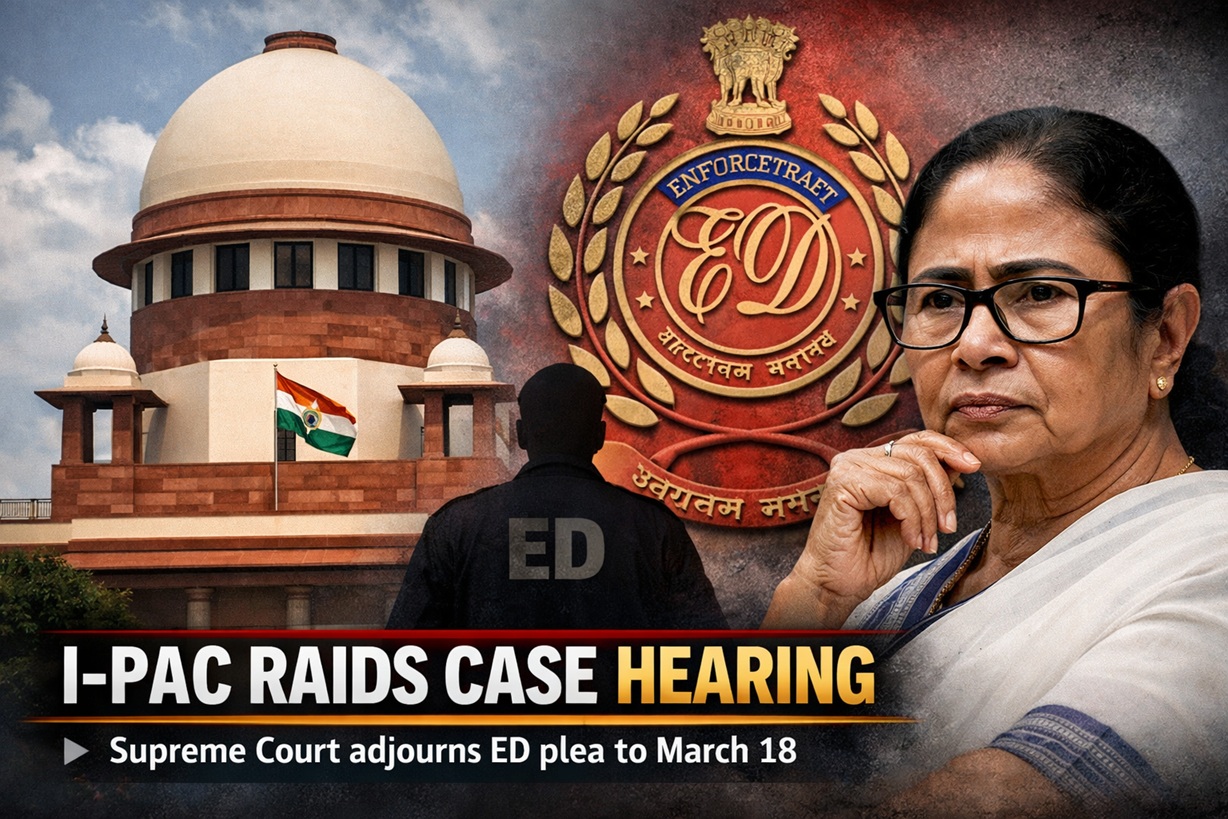
I-PAC Raids Case takes centre stage in Supreme Court as ED alleges obstruction by West Bengal government; next hearing on March 18 amid election buzz.
The I-PAC Raids Case reached a crucial juncture on Tuesday as the Supreme Court of India adjourned to March 18 the hearing on a plea filed by the Enforcement Directorate (ED). The agency alleges obstruction by the Government of West Bengal, including Chief Minister Mamata Banerjee, during search operations linked to an alleged coal pilferage scam.
Appearing for the ED, Solicitor General S.V. Raju told the court that officials faced intimidation during the raid at the office of Indian Political Action Committee (I-PAC) and at the premises of its director, Prateek Jain. The agency has sought transfer of the probe to the Central Bureau of Investigation (CBI), citing concerns over a fair investigation.
ED’s Allegations in the I-PAC Raids Case
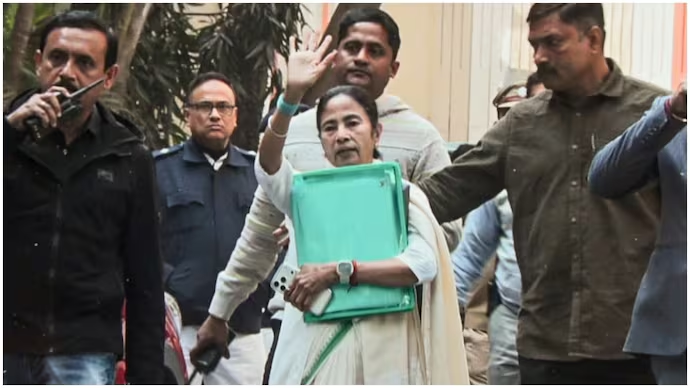
In its counter-affidavit, the ED made several serious claims in the I-PAC Raids Case:
- Evidence was allegedly tampered with during the search
- Crucial digital material was reportedly destroyed
- Political influence was used to obstruct the investigation
- Official security machinery was allegedly misused
- ED personnel were allegedly intimidated on-site
The agency told the bench that the atmosphere during the search operation was “hostile” and impeded the lawful execution of investigative powers under the Prevention of Money Laundering Act (PMLA).
Demand for CBI Probe
The ED urged the Supreme Court to transfer the matter to the CBI to ensure impartiality. According to submissions, the alleged obstruction compromised the sanctity of the investigation into the coal scam case.
The court noted the seriousness of the submissions but deferred detailed hearing to March 18.
Political Flashpoint Before Elections
The I-PAC Raids Case has triggered a political storm in West Bengal, particularly as the state gears up for elections. Opposition leaders have accused the ruling Trinamool Congress (TMC) of interfering with central investigations.
Chief Minister Mamata Banerjee, however, has strongly denied wrongdoing. She has maintained that she visited the premises only to collect party-related electoral data and did not interfere with any official process.
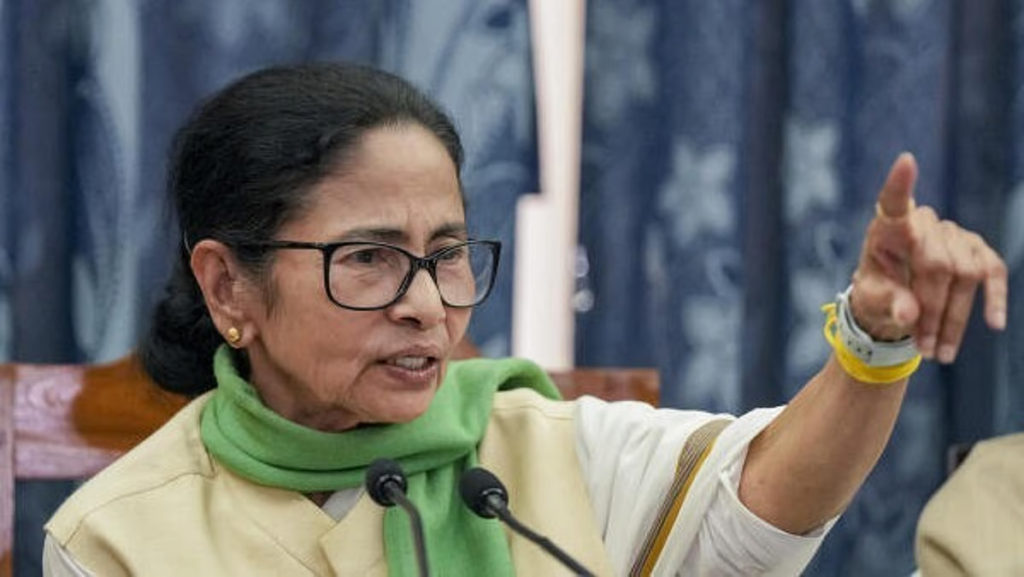
The controversy has revived earlier confrontations between central agencies and the state administration.
Past Confrontations
The ED referred to prior incidents to suggest a pattern of resistance:
- Alleged attack on ED officials in Sandeshkhali
- Detention of CBI officers at a Kolkata police station during earlier probes
- Public protest by Mamata Banerjee in defence of former Kolkata Police Commissioner Rajeev Kumar during a CBI inquiry
These episodes had earlier reached the Supreme Court and intensified debates over federalism and investigative autonomy.
ED vs ‘Political Weaponisation’ Argument
Mamata Banerjee has consistently argued that central agencies such as the ED are being used as political tools against opposition-ruled states. Similar claims were raised by other political parties in the past before the Supreme Court.
However, the court had earlier declined to entertain broad allegations of selective targeting without case-specific evidence.
In the present I-PAC Raids Case, the ED insists the issue is not political vendetta but obstruction of lawful investigation.
What Is the Coal Pilferage Scam?
The alleged coal pilferage scam relates to illegal mining and diversion of coal in Eastern India. The ED is probing money laundering angles arising from the predicate offence registered by investigative agencies.
While the coal scam investigation has been ongoing, the controversy surrounding the I-PAC office search has added a fresh legal dimension.
Election Code and Timing Factor
Legal experts note that the timing of the Supreme Court proceedings could have significant implications.
If the Model Code of Conduct comes into force before the next hearing:
- Administrative control shifts under the supervision of the Election Commission of India
- Any direction for FIR or CBI investigation may carry electoral ramifications
- Political narratives around federalism and agency overreach could intensify
Observers say the March 18 hearing may shape both legal and political trajectories in the state.
Legal Questions Before the Supreme Court
The key issues before the Supreme Court include:
- Whether there was unlawful obstruction during the search
- Whether digital evidence was destroyed
- Whether transfer of probe to the CBI is warranted
- Whether federal principles were breached
The court’s observations in the next hearing could clarify the contours of investigative autonomy versus state executive authority.
Broader Democratic Debate
The I-PAC Raids Case has also reignited debate over:
- Centre-State relations
- Autonomy of investigative agencies
- Political accountability
- Pre-election enforcement actions
While critics allege a climate of political pressure in West Bengal, the state government rejects such claims as politically motivated narratives.
Conclusion: What Next in the I-PAC Raids Case?
As the I-PAC Raids Case heads for a crucial hearing on March 18, the legal battle is poised to intersect with electoral politics in West Bengal. The ED’s affidavit has raised allegations of obstruction and intimidation, while Mamata Banerjee has denied any misconduct.
Whether the Supreme Court orders further investigation, transfers the probe, or limits the scope of proceedings could significantly influence the political discourse ahead of elections. For now, all eyes remain on the apex court as the I-PAC Raids Case unfolds.
FAQs: I-PAC Raids Case
Q: What is the I-PAC Raids Case?
A: It refers to the ED’s allegations of obstruction during its search at I-PAC offices in connection with a coal scam probe.
Q: Why did the ED approach the Supreme Court?
A: The ED alleged interference and sought transfer of the investigation to the CBI.
Q: What has Mamata Banerjee said?
A: She denied wrongdoing and said she only collected party-related data.
Q: When is the next Supreme Court hearing?
A: The next hearing is scheduled for March 18.
Q: Could this impact West Bengal elections?
A: Legal developments may influence political narratives during the election season.
References
https://indianexpress.com/article/india/supreme-court-ed-plea-ipac-raids-10539077