 Digital Team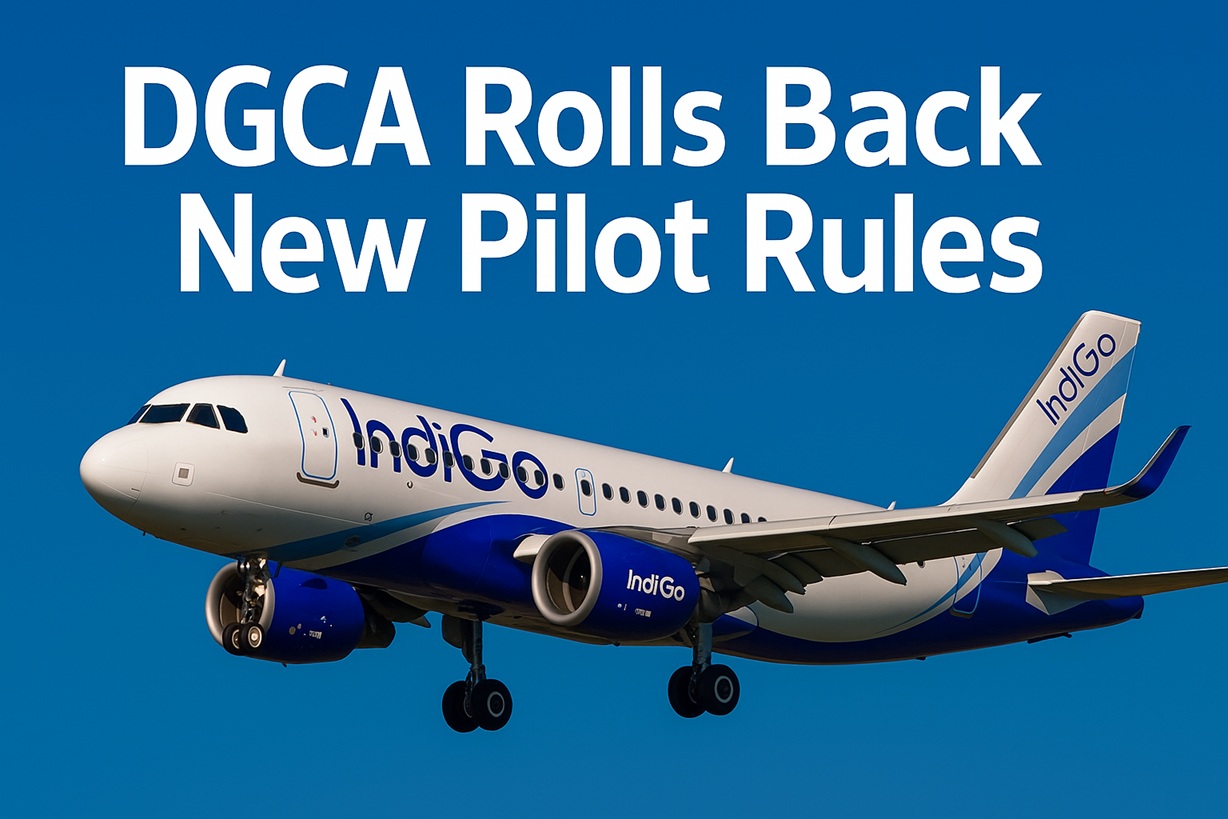
India’s peak travel season collapsed after IndiGo’s pilot shortage triggered 1,000+ cancellations. Is the India aviation system dangerously fragile?
A Thousand Flights. 24-Hour Delays. Protests. What Went Wrong?
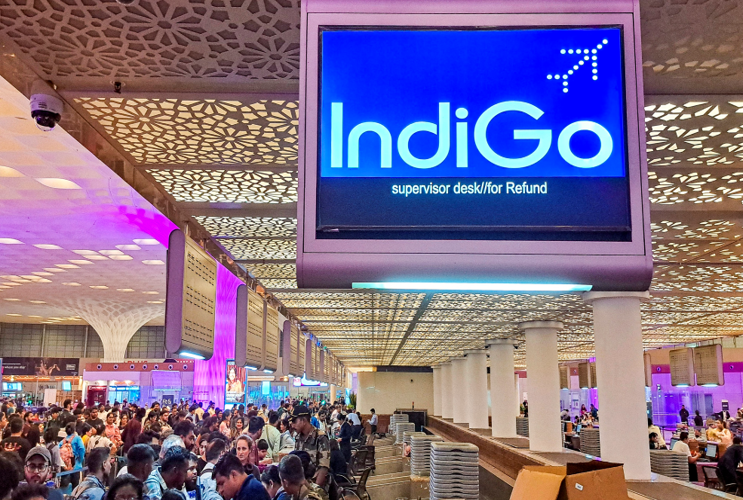
India’s busiest travel season has erupted into chaos. In a single shocking day, over 1,000 flights were cancelled, leaving thousands stranded on terminal floors without food, water or proper communication.
Ticket prices on key routes jumped by 10X, and furious passengers staged protests inside airports.
The meltdown traces back to one root cause: a pilot shortage at IndiGo — the airline that controls 60% of India’s skies.
Has India built an aviation system so fragile that one airline’s stumble can ground an entire nation?
How a Safety Rule Unleashed Chaos
The crisis began when the DGCA (Directorate General of Civil Aviation) implemented new Flight Duty Time Limit (FDTL) rules to fight pilot fatigue. The rules:
- Increased mandatory rest hours
- Were designed to protect passengers
- Were announced nearly a year earlier
Yet IndiGo wasn’t ready.
The Outcome
- India’s biggest carrier couldn’t crew hundreds of flights
- 2,200+ daily schedules collapsed
- On-time performance fell to a shocking 8.5%
A rule meant to strengthen safety instead exposed how weak the India aviation system truly is.
Ticket Prices Exploded — Protests Erupted
With capacity falling, India witnessed a travel market meltdown:
- Delhi–Mumbai fares spiked from ₹5,000 to ₹50,000
- Passengers slept on airport floors amid 18–24 hour delays
- Families missed weddings, medical appointments, visas, & exams
- NRIs were trapped with no rebooking options
Viral Passenger Video on X:
“We are treated worse than cattle. No water, no help, no answers.”
The Government Blinked — And Backtracked
Facing public fury, the DGCA reversed course:
- Temporarily rolled back the FDTL rules
- Called it an “exception to stabilize operations”
- Announced a four-member probe into IndiGo’s preparedness
Key Questions Investigators Will Examine
- Why did IndiGo fail despite one year’s notice?
- Did DGCA ignore warning signals?
- Did airlines lobby to dilute safety rules?
The watchdog is now accused of acting too late — and too softly.
Pilots Call It a “Safety Compromise”
The Pilots Association of India criticized the rollback:
“This decision gravely compromises flight safety and undermines the FDTL’s core purpose.”
Pilot Concerns
- Fatigue is a major global aviation risk
- Rollback favors corporate revenue over passenger safety
- DGCA “caved to airline pressure”
Are tired pilots being pushed back into the cockpit?
That question now haunts the India aviation sector.
India’s Duopoly Problem — One Breakdown = National Breakdown
The crisis exposed India’s over-dependence:
| Airline | Market Share |
| IndiGo | 60% |
| Air India (Tata Group) | 25% |
| All Other Airlines | 15% |
India’s skies are controlled by just two players. This means:
- 4 out of every 5 seats are monopolized
- If either stumbles, the entire system collapses
SpiceJet, Akasa, and Vistara increased flights — but couldn’t fill the gap.
India’s aviation backbone: a duopoly sitting on thin ice.
Will This Happen Again? IndiGo Says… Yes
IndiGo CEO Peter Elbers apologized, but cautioned:
“We anticipate normalcy between December 10–15.”
🔮 What This Means for Travelers:
- Delays will continue for days
- Flight schedules may change without notice
- Passengers must continuously re-check bookings
India will soon be the 3rd largest aviation market — but this crisis asks a chilling question:
🔻 Are we expanding the skies faster than we can fly safely?
Understanding the India Aviation Crisis
Why did flight prices suddenly skyrocket?
Repeated cancellations triggered algorithmic fare spikes due to extremely high demand.
Is it safe to fly in India right now?
DGCA claims operations are safe; pilot bodies warn that lowering rest rules risks fatigue.
When will the disruptions end?
IndiGo expects stability between December 10–15, with gradual normalization.
Who is under investigation?
A DGCA panel will investigate IndiGo’s preparedness and regulatory oversight failures.
A System Built to Fail?
When one airline can paralyze a nation, the aviation industry isn’t fragile — it’s broken by design. Before celebrating growth, India must prioritize:
✔ Stronger safety enforcement
✔ Market diversity beyond duopolies
✔ Infrastructure and manpower planning
Comment if you believe Indian flyers deserve safer skies and accountable aviation governance.