 Digital Team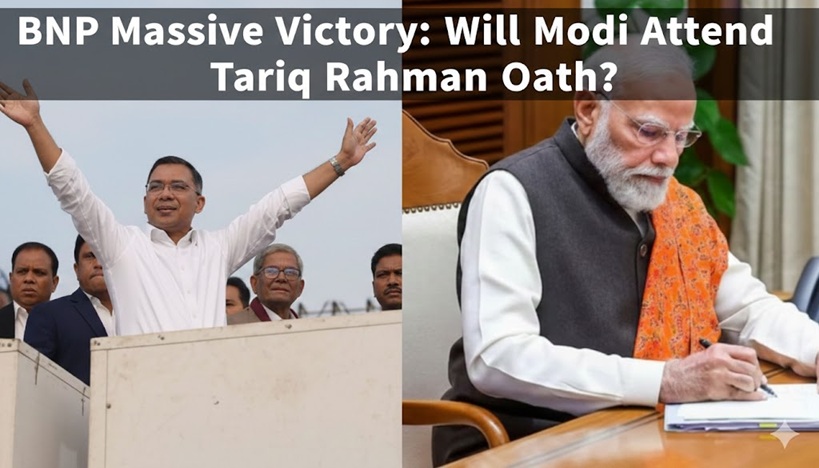
BNP massive victory in Bangladesh election triggers diplomatic outreach to India, as party confirms invitation to PM Narendra Modi for Tariq Rahman’s swearing-in ceremony.
BNP Massive Victory Sparks India Outreach
The BNP massive victory in Bangladesh’s parliamentary elections sets the stage for a potential diplomatic reset with India. The Bangladesh Nationalist Party (BNP), after securing a two-third majority, announces it will invite Prime Minister Narendra Modi to attend the oath ceremony of party leader Tariq Rahman.
Humayun Kabir, a senior BNP leader and likely Foreign Minister, confirms that PM Modi conveyed optimism about strengthening bilateral ties during a congratulatory phone call. “Mr. Modi expressed his hopes that one should take the relationship forward,” Kabir says.
The development signals a significant recalibration in India-Bangladesh relations, following months of regional unease.
Landslide Mandate Reshapes Dhaka’s Political Landscape
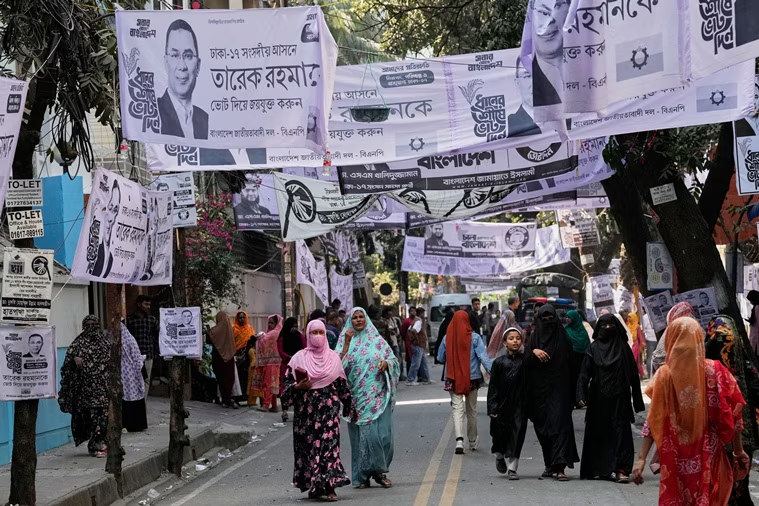
The BNP’s two-third majority marks one of the most decisive mandates in Bangladesh’s recent electoral history. Political observers describe the BNP massive victory as a clear public endorsement of change.
What the Numbers Suggest
| Factor | Outcome |
| Parliamentary Majority | Two-third majority |
| Leadership | Tariq Rahman |
| Proposed Foreign Minister | Humayun Kabir |
| Key Diplomatic Move | Invitation to PM Modi |
With this mandate, Tariq Rahman is set to take oath as Prime Minister, consolidating BNP’s control over legislative reforms and foreign policy direction.
Tariq Rahman’s Oath Ceremony: A Diplomatic Moment
The invitation extended to PM Modi underscores Dhaka’s intention to rebuild ties with New Delhi. Analysts note that symbolism matters in South Asian diplomacy.
If PM Modi attends Tariq Rahman’s oath ceremony, it would mark a strong political signal of continuity in cooperation despite electoral shifts.
Why This Matters for India-Bangladesh Relations
India and Bangladesh share:
- A 4,096-km land border
- Deep trade ties
- Strategic cooperation on security and counter-terrorism
- Water-sharing agreements
- Connectivity projects under Act East Policy
However, recent tensions over border management and political rhetoric have tested relations. The BNP massive victory offers a window for recalibration.
India-Bangladesh Relations: Reset or Continuity?
Diplomatic sources indicate that New Delhi is closely monitoring developments. India traditionally maintains working relations across party lines in Bangladesh.
Foreign policy experts argue that:
- Trade volumes exceed $15 billion annually
- Cross-border infrastructure projects are ongoing
- Defence cooperation has expanded in recent years
“The relationship is too strategic to be disrupted by electoral politics,” says a former Indian High Commissioner to Dhaka.
Key Strategic Areas
1. Security Cooperation
Joint efforts against insurgency groups operating along the border.
2. Connectivity Corridors
Rail and road links boosting regional trade.
3. Energy Partnerships
Power-sharing agreements and grid connectivity.
The BNP’s outreach signals continuity rather than rupture.
Regional Context: South Asia’s Diplomatic Balancing
The timing of the BNP massive victory also intersects with evolving geopolitical alignments in South Asia.
China’s infrastructure investments in Bangladesh and India’s strategic interests in the Bay of Bengal region add layers of complexity. Analysts suggest Dhaka may pursue a balanced foreign policy — engaging both Beijing and New Delhi.
This makes PM Modi’s potential attendance at Tariq Rahman’s oath ceremony geopolitically significant.
Political Messaging and Domestic Implications
For the BNP, inviting PM Modi serves multiple purposes:
- Signals diplomatic maturity
- Reassures business communities
- Projects regional stability
- Counters narratives of political isolation
For India, engagement ensures continuity in border security, economic cooperation, and strategic dialogue.
The BNP massive victory thus extends beyond domestic politics into regional recalibration.
What Happens Next?
Officials indicate formal invitations will be sent soon. Whether PM Modi attends in person or sends a high-level delegation remains to be seen.
Diplomatic observers say the first 100 days of Tariq Rahman’s government will be crucial in setting the tone for India-Bangladesh relations.
If handled carefully, the BNP massive victory could mark the beginning of a new phase of pragmatic diplomacy.
BNP Massive Victory and the Road Ahead
The BNP massive victory reshapes Bangladesh’s political landscape and opens a diplomatic opportunity with India. The invitation to PM Modi for Tariq Rahman’s oath ceremony signals intent to strengthen bilateral ties rather than disrupt them.
As South Asia navigates shifting geopolitical currents, the BNP massive victory could become a defining moment for regional stability and India-Bangladesh strategic cooperation.
FAQs
Q: What does BNP massive victory mean for India-Bangladesh relations?
A: It signals potential recalibration and renewed diplomatic engagement between the two countries.
Q: Has PM Modi confirmed attendance at Tariq Rahman’s oath ceremony?
A: No official confirmation has been made yet.
Q: Why is the oath ceremony diplomatically significant?
A: High-level attendance reflects political goodwill and strategic continuity.
Q: What are the key areas of India-Bangladesh cooperation?
A: Trade, border security, energy partnerships, and connectivity projects.
References