 Digital Team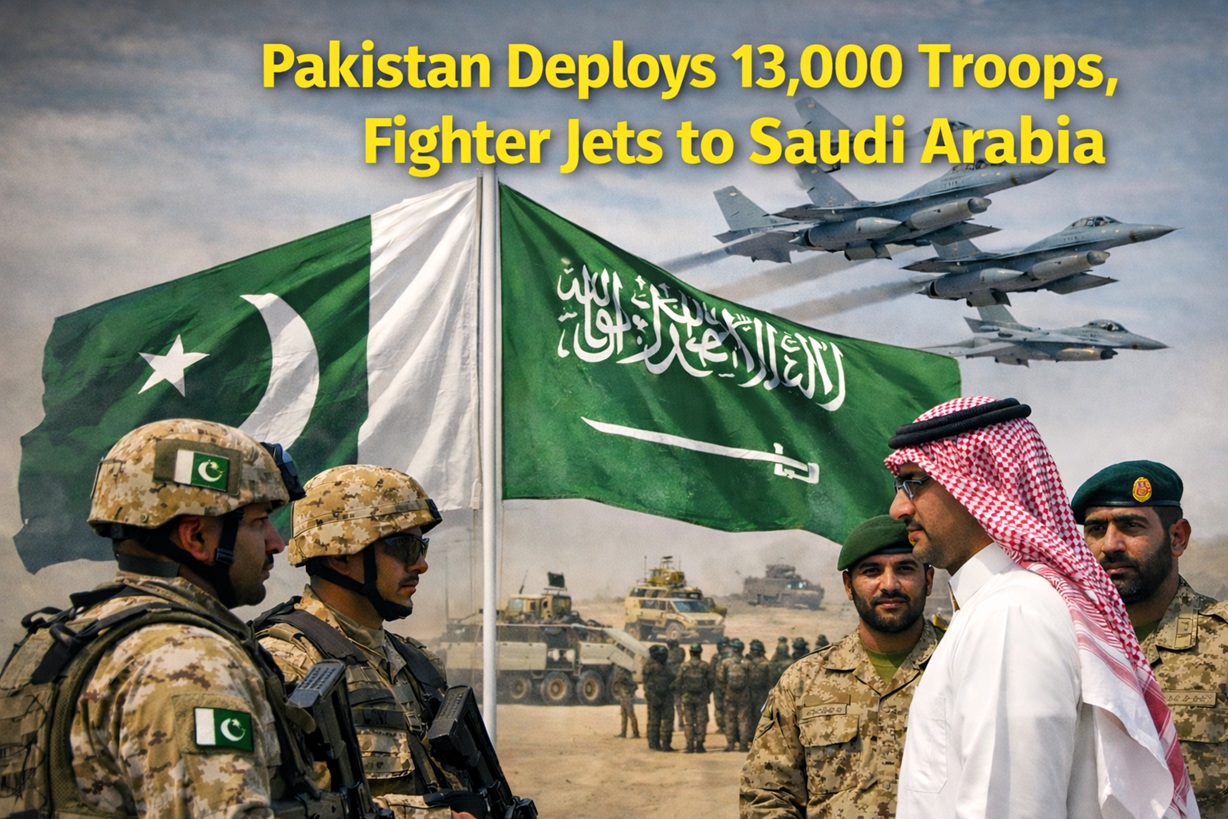
Pakistan’s diplomatic role under scrutiny after failed negotiations and Saudi troop deployment
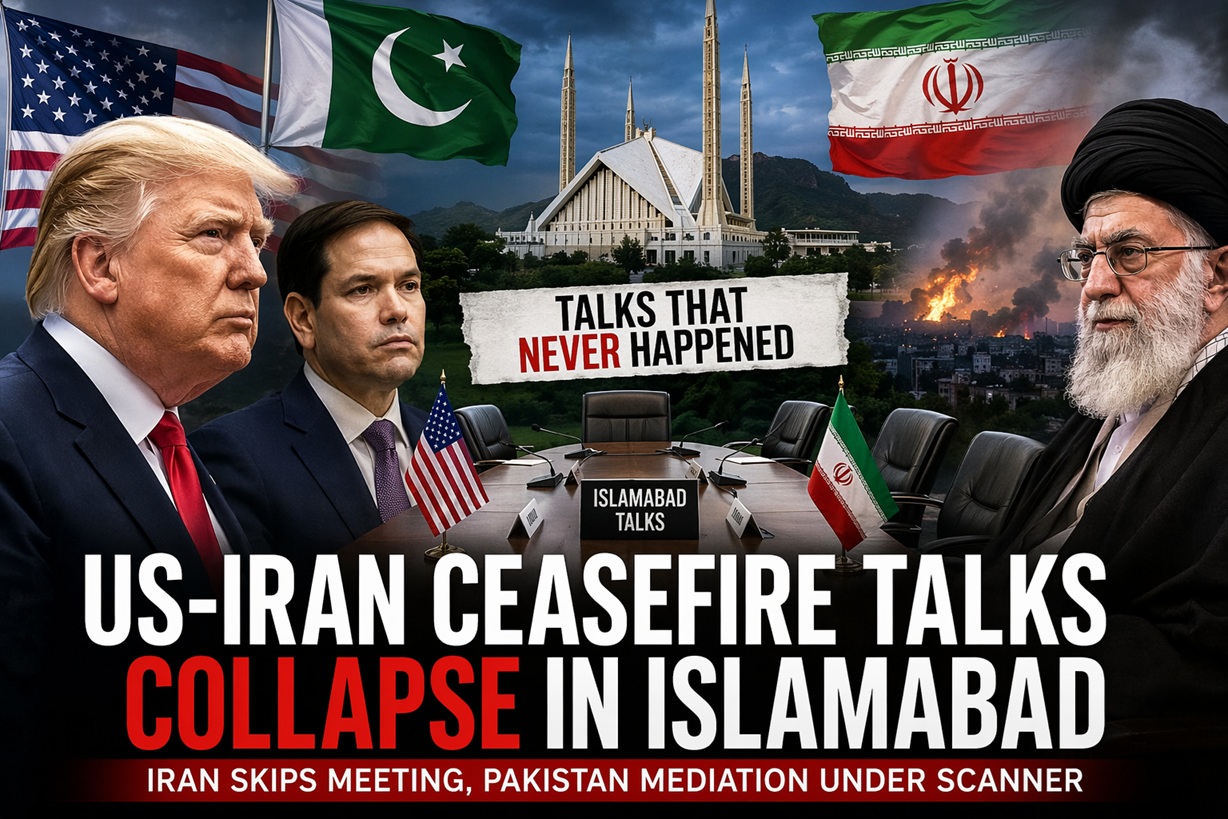
Islamabad: The US-Iran peace talks collapse in Pakistan’s capital has triggered fresh geopolitical tensions, with Pakistan facing criticism for its dual-track diplomacy. The 21-hour negotiations between the United States and Iran ended without agreement, even as Islamabad simultaneously deployed military assets to Saudi Arabia, raising concerns over its neutrality.
US-Iran Peace Talks Collapse: What Happened in Islamabad
The high-stakes negotiations, hosted in Islamabad, were seen as a critical opportunity to de-escalate tensions between Washington and Tehran. However, talks broke down after nearly 21 hours of intense deliberations.
Sources indicate that Iran accused the US of lacking commitment to the process, while American negotiators reportedly maintained rigid conditions. The collapse of the talks has now deepened mistrust and stalled any immediate prospects of diplomatic resolution.
Diplomatic observers say Pakistan’s role as host has come under scrutiny, with questions raised about whether it maintained neutrality during the negotiations.
Pakistan’s Military Deployment to Saudi Arabia Raises Questions
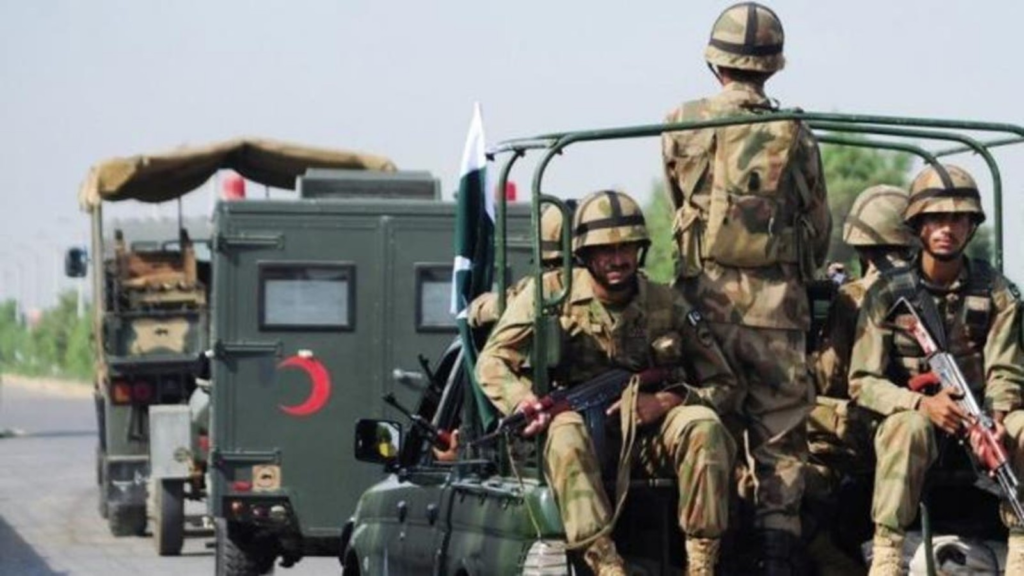
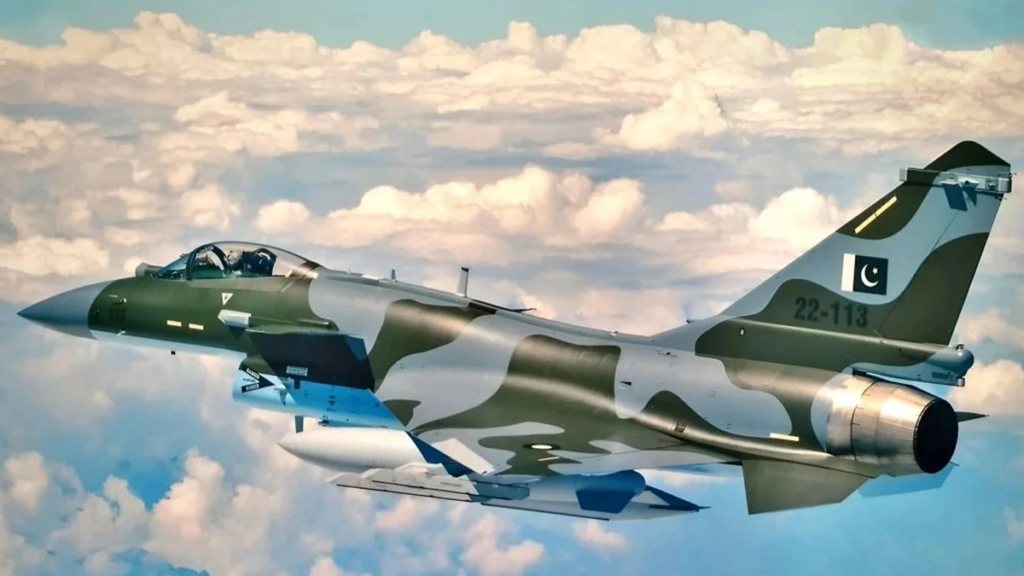
Even as the talks were underway, Pakistan deployed approximately 13,000 troops and fighter jets to Saudi Arabia. The move, confirmed by Saudi officials, coincided with the final stages of negotiations.
Key Developments:
- Fighter jets stationed at Saudi airbases
- Military personnel deployed for strategic support
- Activation of bilateral defence cooperation mechanisms
Analysts argue that this timing sent a strong signal to Iran, potentially influencing the diplomatic environment.
A regional expert noted, “Such simultaneous military signalling during negotiations can undermine trust and alter the dynamics at the table.”
Core Issues Behind US-Iran Peace Talks Collapse
The negotiations reportedly centred around three major US demands:
- Complete dismantling of Iran’s nuclear programme
- Surrender of enriched uranium stockpiles
- Opening of the Strait of Hormuz for global access
In return, Iran was expected to gain access to frozen financial assets.
However, Iranian representatives rejected the terms as “one-sided”, emphasising sovereignty and security concerns.
Geopolitical Fallout After US-Iran Peace Talks Collapse
The breakdown of talks has triggered wider geopolitical consequences:
1. Iran’s Strategic Shift
Iran is reportedly strengthening ties with China and Russia, seeking military and economic backing.
2. Pakistan’s Credibility Questioned
Pakistan’s simultaneous diplomatic hosting and military alignment have raised doubts about its ability to act as a neutral mediator in global conflicts.
3. Rising Regional Tensions
The Middle East and South Asia regions may witness increased instability, especially given Pakistan’s proximity to Iran and strategic ties with Saudi Arabia.
Defence Pact with Saudi Arabia Adds New Dimension
Pakistan reportedly reiterated its defence commitments to Saudi Arabia, indicating that any threat to the Kingdom would be treated as a direct threat to Pakistan.
This declaration has further complicated regional dynamics, potentially positioning Pakistan in a sensitive strategic situation between Iran and Saudi Arabia.
Expert Analysis: Diplomatic Balancing Act Backfires
Strategic analysts describe the situation as a “miscalculated balancing act.” By engaging both sides simultaneously, Pakistan may have inadvertently weakened its diplomatic standing.
One observer remarked, “Acting as a mediator requires absolute neutrality. Any perception of bias can derail negotiations instantly.”
What Lies Ahead After US-Iran Peace Talks Collapse
The immediate future points to heightened uncertainty:
- No confirmation of next round of talks
- Increased military signalling in the region
- Greater involvement of global powers like China and Russia
The collapse of negotiations has effectively reset diplomatic efforts, making future engagement more complex and fragile.
US-Iran Peace Talks Collapse Signals Wider Instability
The US-Iran peace talks collapse marks a significant setback for regional diplomacy. Pakistan’s dual role—hosting negotiations while reinforcing military ties with Saudi Arabia—has raised serious questions about its strategic intent.
Going forward, rebuilding trust among stakeholders will be crucial. Without credible mediation and balanced diplomacy, the region risks sliding into deeper instability, with broader global implications.
FAQ Section
Q1: Why did the US-Iran peace talks collapse?
A: The talks failed due to rigid US demands and Iran’s rejection over sovereignty concerns.
Q2: What role did Pakistan play in the talks?
A: Pakistan hosted the talks but faced criticism for deploying troops to Saudi Arabia simultaneously.
Q3: How many troops did Pakistan send to Saudi Arabia?
A: Approximately 13,000 troops along with fighter jets were deployed.
Q4: What are the implications of the talks collapsing?
A: It could increase regional tensions and shift global alliances.
Q5: Will the US and Iran resume talks?
A: There is currently no confirmed timeline for future negotiations.
References
- Moneycontrol:
https://www.moneycontrol.com/world/pakistan-deploys-fighter-jets-13-000-troops-to-saudi-arabia-amid-us-iran-ceasefire-talks-fail - The Times of India:
https://timesofindia.indiatimes.com/world/pakistan/pak-military-contingent-lands-in-saudi-arabia/articleshow/130201225.cms - Siasat:
https://www.siasat.com/pakistan-deploys-13000-troops-fighter-jets-to-saudi-arabia-3451219/ - House of Saud (detailed policy angle):
https://houseofsaud.com/pakistan-troops-eastern-province-smda-deployment/