 Digital Team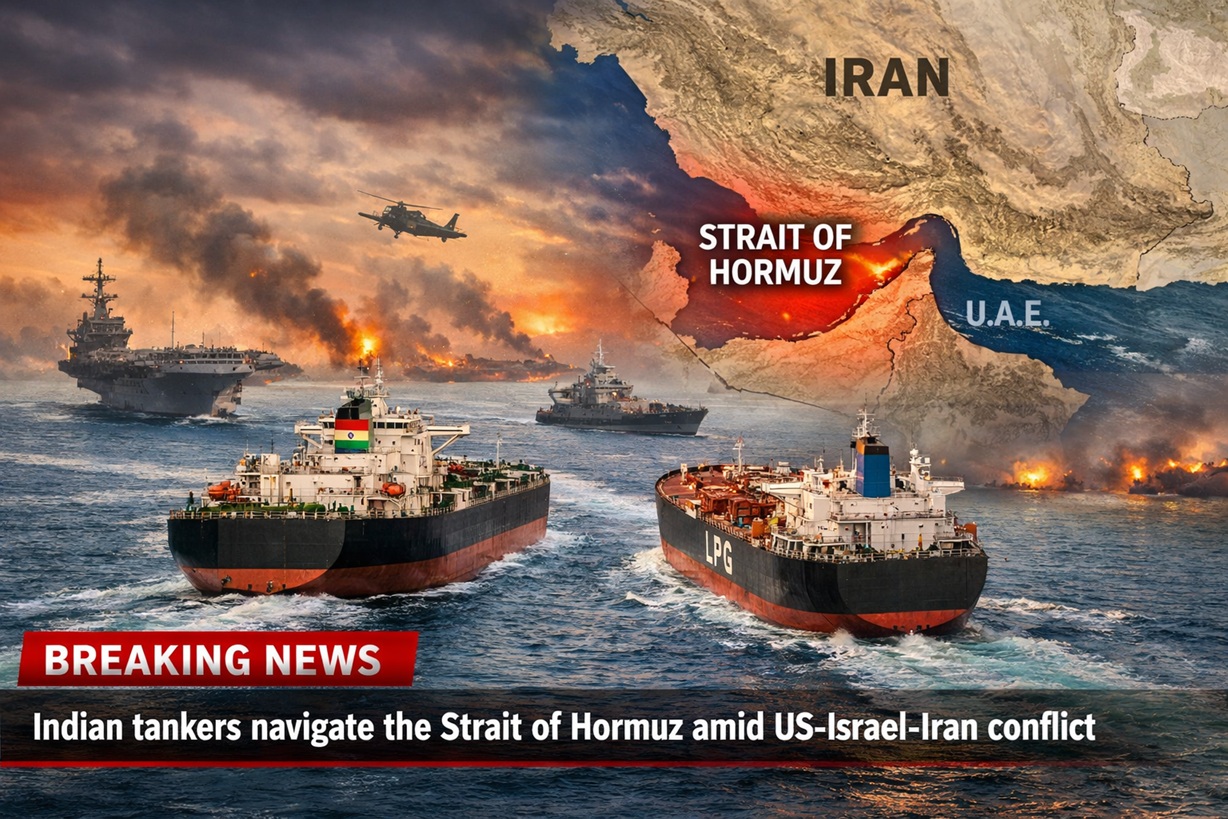
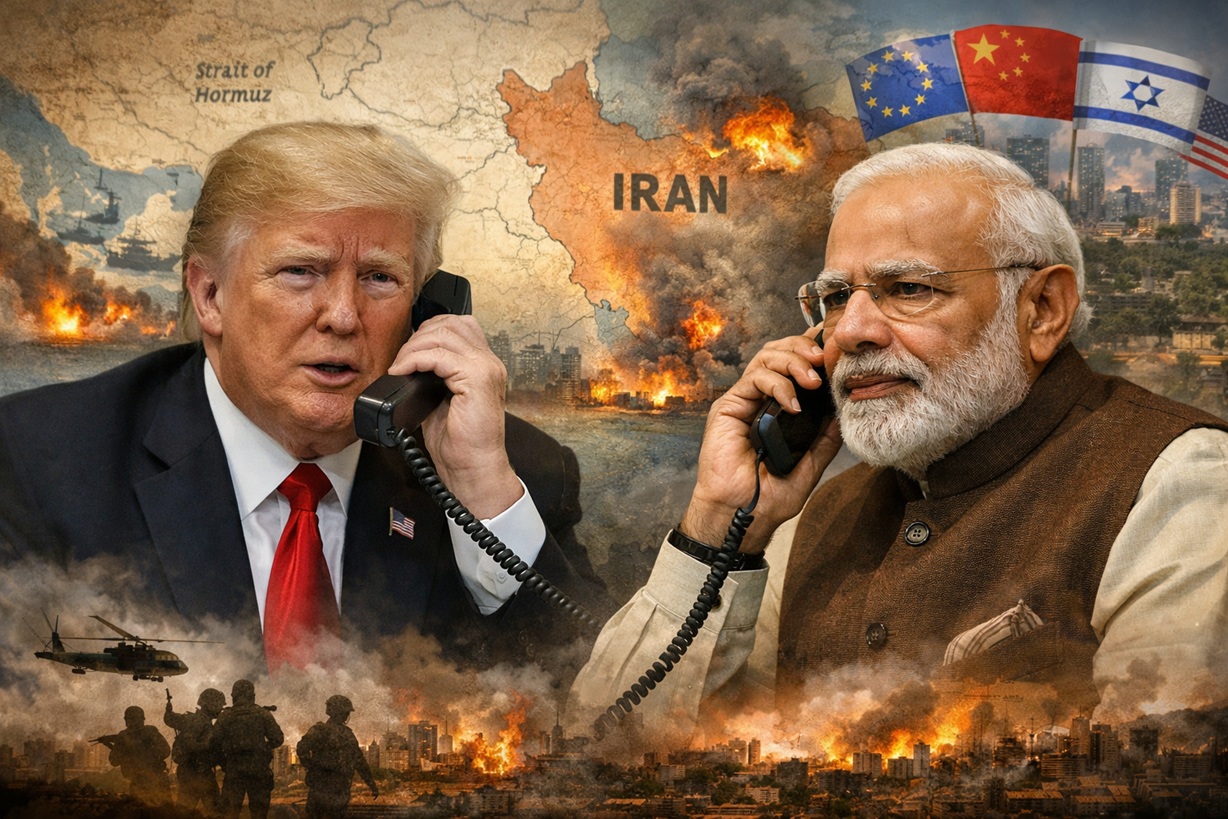
As the US-Israel-Iran war escalates with strikes on Iran’s Kharg Island, India secures safe passage for oil tankers through the Strait of Hormuz, protecting its energy supplies amid global turmoil.
The US-Israel-Iran war entered its 15th day with heightened escalation after US forces reportedly struck military facilities on Kharg Island, Iran’s primary oil export hub. Amid rising tensions and disruption fears in the Strait of Hormuz, India has secured safe passage for its oil tankers following diplomatic assurances from Iran, helping safeguard the country’s energy supply chain during the conflict.
Escalation in the US-Israel-Iran War: Kharg Island Targeted
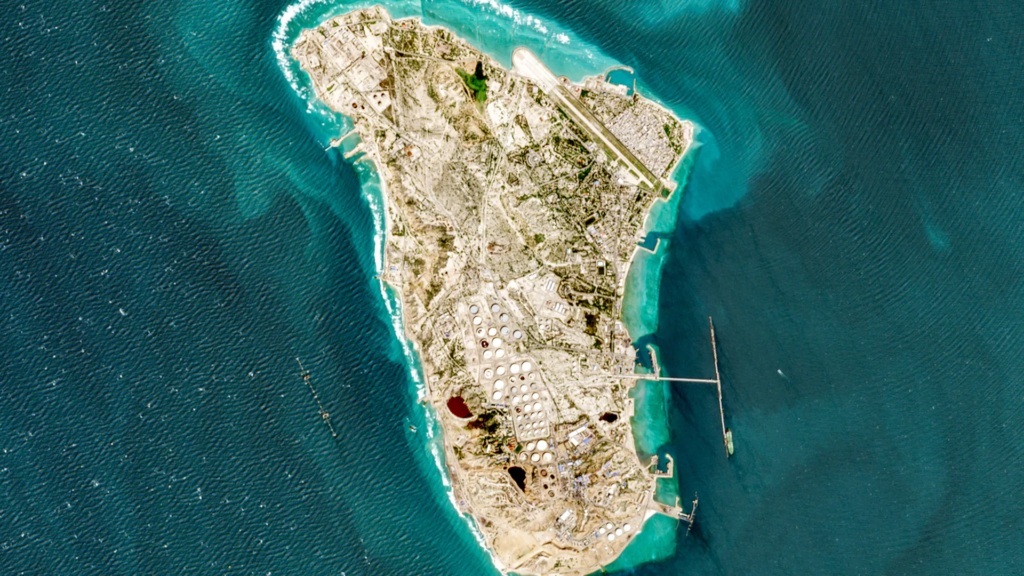
The US-Israel-Iran war has intensified with reports that US forces targeted installations on Kharg Island, a strategic location responsible for nearly 90% of Iran’s oil exports.
Military analysts believe the strike forms part of a broader strategy aimed at weakening Iran’s economic capacity rather than launching a direct ground invasion.
Kharg Island sits at the heart of Iran’s energy infrastructure and plays a crucial role in global oil supply chains. Any disruption to operations there could have major implications for global markets.
Energy experts say targeting such infrastructure can dramatically reduce the Iranian regime’s revenue stream, potentially creating internal economic pressure.
Global Oil Markets React as Strait of Hormuz Crisis Deepens

The escalation around the Strait of Hormuz, through which roughly 20% of global oil trade flows, has triggered widespread economic ripple effects.
Within hours of the latest developments:
- Global oil prices surged sharply
- Petrol prices rose 30–40% in several regions
- Major stock markets recorded steep losses
- Shipping insurers raised premiums for vessels entering the Gulf
The Strait of Hormuz crisis has renewed fears of a major disruption to global energy supplies.
Economists warn that prolonged instability could fuel global inflation and disrupt supply chains worldwide.
According to energy market analysts, even partial restrictions in the narrow maritime corridor can trigger immediate price shocks.
India Secures Safe Passage Through Strait of Hormuz
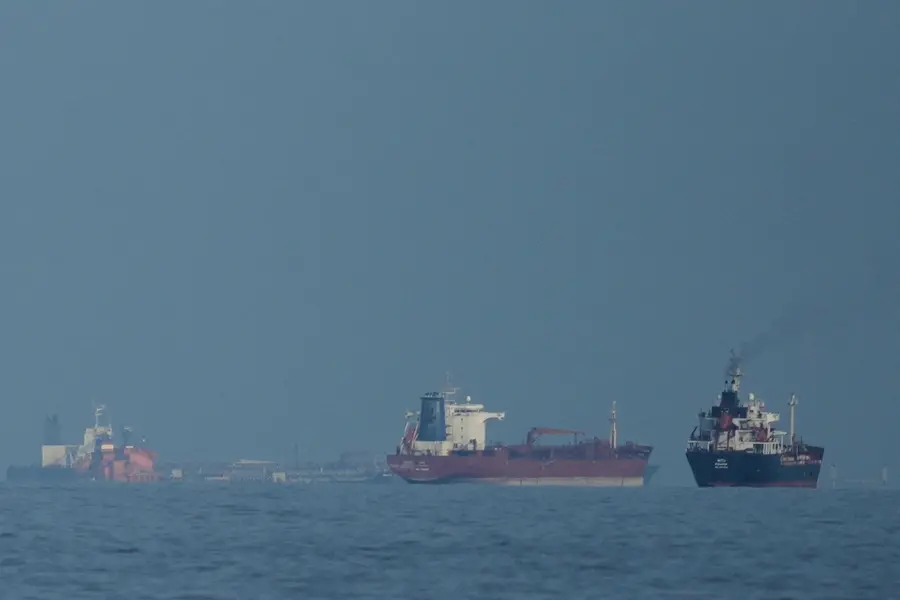
Amid the escalating US-Israel-Iran war, India has achieved a crucial diplomatic breakthrough.
Following negotiations and assurances from Tehran, Indian-flagged vessels have received safe passage guarantees while crossing the Strait of Hormuz.
Two tankers have already successfully navigated the high-risk route:
| Vessel Name | Type | Status |
| Shivalik | Oil Tanker | Successfully crossed Strait |
| Nanda Devi | LPG Tanker | Successfully crossed Strait |
Government sources indicate that 28 additional Indian tankers are expected to transit the region in the coming days.
This ensures nearly a month’s energy supply for India despite the ongoing conflict.
Energy security experts say India’s ability to maintain tanker movements through the Gulf is critical given its heavy reliance on imported crude.
India’s Strategic Diplomacy Amid the US-Israel-Iran War
Diplomats say India has maintained balanced ties with both Western powers and Iran, allowing it to retain communication channels even during the crisis.
Strategic affairs experts believe India’s approach reflects a multi-vector foreign policy—engaging all sides without becoming directly involved in the conflict.
India imports a significant portion of its crude oil from the Gulf region. Any sustained closure of the Strait of Hormuz could severely impact domestic fuel supply and prices.
Former diplomats note that India’s diplomatic outreach has focused primarily on:
- Ensuring maritime safety for Indian vessels
- Maintaining oil supply stability
- Avoiding direct geopolitical alignment in the conflict
Two Emerging Global Strategies to End the Conflict
As the US-Israel-Iran war continues, global policy circles appear divided on how the crisis should end.
Peace Negotiation Approach
Some international observers advocate diplomatic negotiations to prevent further economic disruption.
Their concerns include:
- Global inflation surge due to rising oil prices
- Supply chain disruptions
- Wider regional instability
These analysts believe mediation from neutral global players could help de-escalate tensions.
Military Pressure Strategy
Another school of thought argues that sustained military and economic pressure could weaken Iran’s strategic capabilities.
Supporters of this view believe targeting Iran’s economic infrastructure—particularly oil exports—could force a strategic shift within the country.
This strategy focuses on:
- Disrupting oil revenue
- Increasing internal economic pressure
- Limiting Iran’s military capabilities
However, analysts warn such strategies risk prolonging the conflict and destabilising the wider West Asian region.
US Military Moves to Secure the Strait of Hormuz
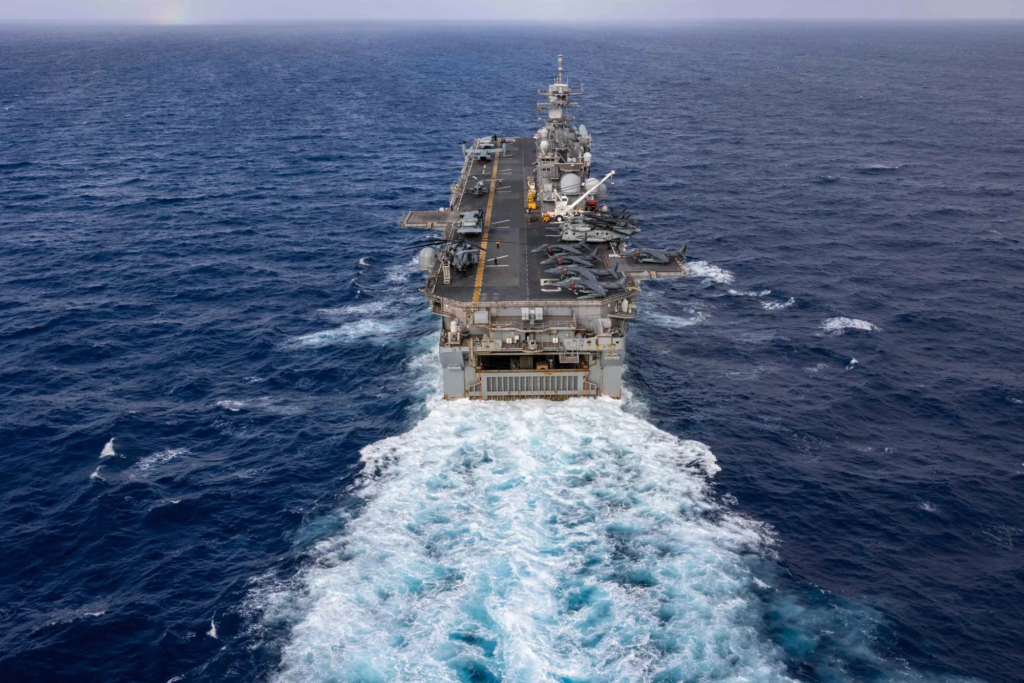
Reports indicate the United States is repositioning naval assets near the Strait of Hormuz to safeguard international shipping lanes.
According to defence observers, Washington may deploy:
- An aircraft carrier strike group
- Additional naval escorts
- Approximately 2,500 Marines stationed in the region
Their mission would include:
- Clearing naval mines
- Neutralising underwater drones
- Ensuring commercial shipping routes remain open
Maintaining open sea lanes is seen as essential for preventing a broader global economic crisis.
Why the Strait of Hormuz Matters to the World
The Strait of Hormuz remains one of the most strategically important maritime chokepoints in the world.
Key facts:
- Around 21 million barrels of oil pass through daily
- Nearly one-fifth of global petroleum trade flows through it
- The corridor is only 33 km wide at its narrowest point
Any prolonged disruption could severely impact energy markets and geopolitical stability.
For India, the stakes are particularly high due to its dependence on Gulf oil imports.
India’s Energy Security Amid the US-Israel-Iran War
As the US-Israel-Iran war intensifies, global energy markets remain on edge. With Kharg Island under attack and tensions rising in the Strait of Hormuz, the risk of supply disruptions continues to loom.
However, India’s successful negotiation for safe tanker passage has provided a crucial buffer against immediate energy shortages.
With dozens of Indian vessels expected to transit the Gulf in the coming weeks, the focus now shifts to whether diplomatic efforts can stabilise the region before the conflict escalates further.
The coming days will determine whether the US-Israel-Iran war moves toward negotiation—or deeper confrontation.
FAQs
Q: What triggered the latest escalation in the US-Israel-Iran war?
A: US forces reportedly struck military installations on Iran’s Kharg Island, a key oil export hub.
Q: Why is the Strait of Hormuz important?
A: Around 20% of global oil trade passes through this narrow shipping corridor.
Q: How has India protected its oil supply during the conflict?
A: India secured safe passage assurances from Iran for Indian-flagged tankers.
Q: Which Indian tankers crossed the Strait of Hormuz?
A: The Shivalik oil tanker and the Nanda Devi LPG tanker successfully navigated the route.
Q: How many Indian tankers are expected to pass through the Strait?
A: Approximately 28 more vessels are expected to cross in the coming days.
References