 Digital Team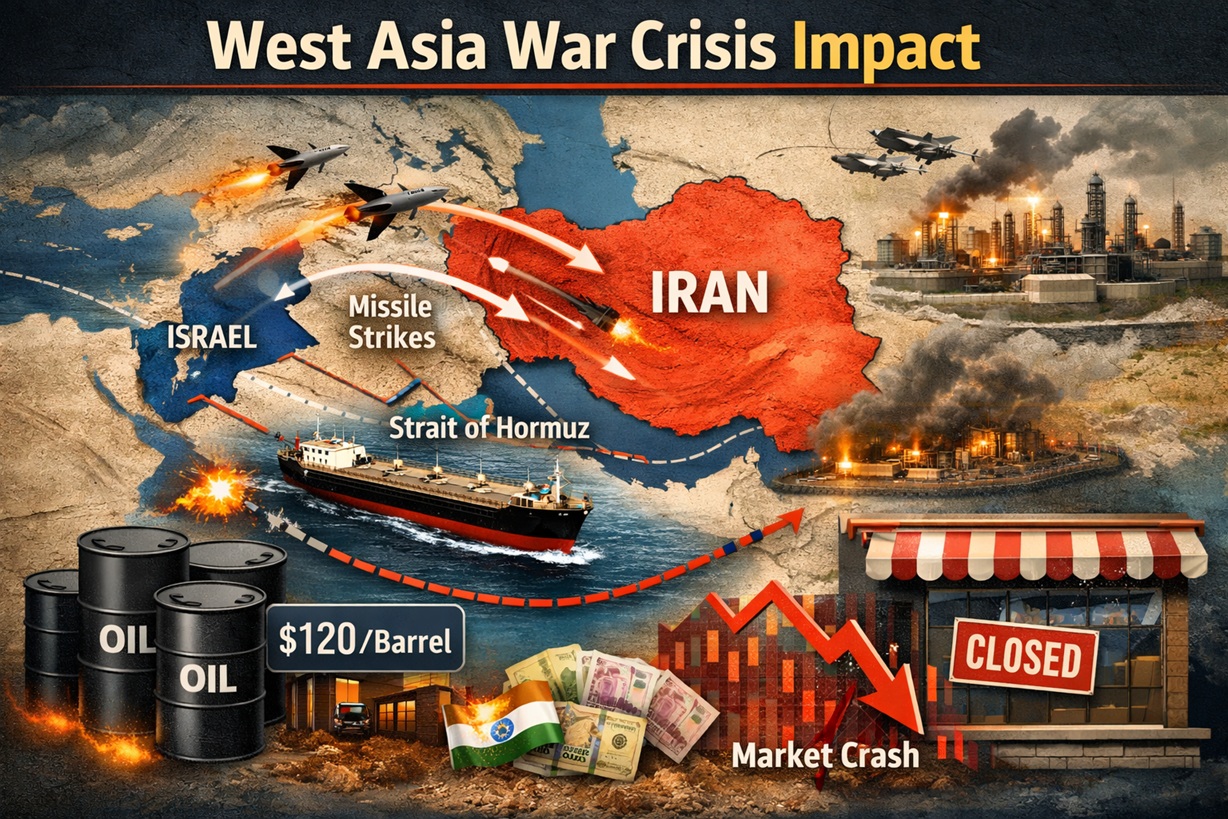
Escalating Iran–Israel conflict disrupts global oil supplies, rattles financial markets and begins impacting daily life in India — from fuel costs to restaurant closures in major cities like Bengaluru.
West Asia War Crisis: Global Conflict After US–Israel Strikes on Iran
The West Asia war crisis intensified on March 10, 2026, after coordinated US–Israel strikes on Iran triggered retaliatory missile attacks, a regional military escalation and severe disruptions in global energy markets. As Iran launched waves of missiles across Israel and US bases in the Gulf, Western nations rapidly deployed missile defence systems and surveillance aircraft across the region.
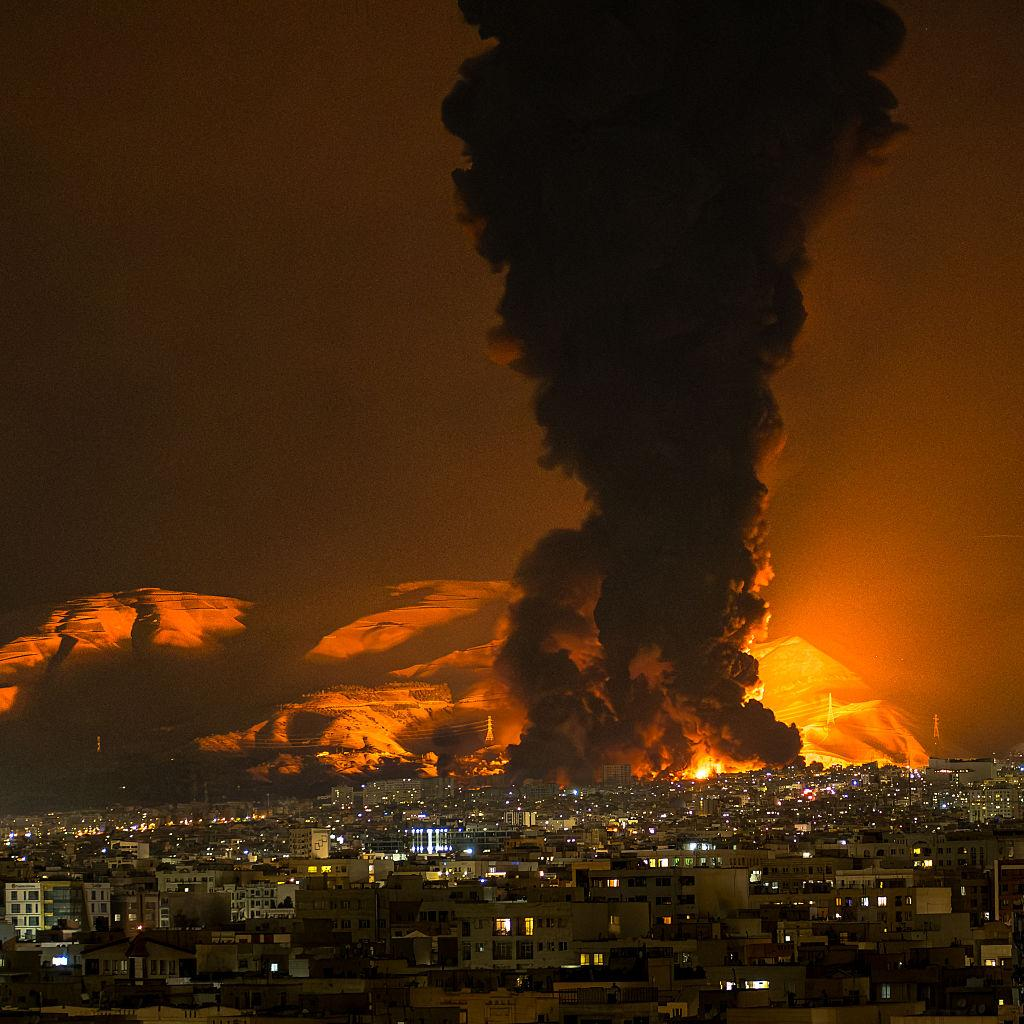
The conflict is now sending shockwaves far beyond the Middle East, impacting global oil prices, financial markets and everyday economic activity in India, where businesses and restaurants in cities like Bengaluru are already feeling the effects.
How the West Asia War Crisis Escalated
The West Asia war crisis began on February 28, 2026, when the United States and Israel launched coordinated strikes targeting Iranian military installations and nuclear facilities.
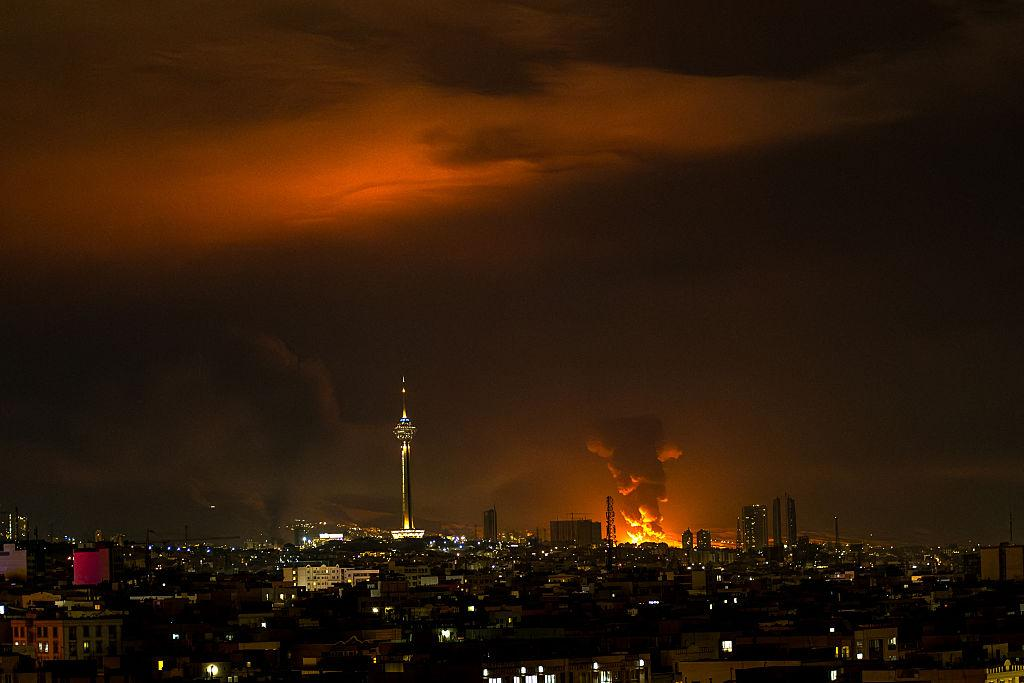
The strikes — reportedly called Operation Epic Fury and Operation Lion’s Roar — targeted:
- Nuclear facilities at Natanz and Fordow
- Air defence systems
- Missile storage depots
- Iranian military leadership sites
Iran responded by launching Operation True Promise IV, firing ballistic missiles and drones toward Israel and US military bases in the Gulf.
Targets included bases in:
- Qatar
- Bahrain
- Kuwait
- United Arab Emirates
The conflict quickly expanded into a multi-front regional war involving several actors.
Western Military Deployment Expands
Western powers have begun reinforcing the region as fears grow of a prolonged war.
Australia announced the deployment of an E-7A Wedgetail surveillance aircraft and dozens of defence personnel to the United Arab Emirates.
Meanwhile, the United States has reinforced Gulf defence with:
- THAAD missile defence systems
- Patriot interceptor batteries
- Additional naval and surveillance assets
Britain and France have also deployed warships and air defence capabilities to safeguard maritime trade routes and allied infrastructure.
Security analysts say these moves indicate the West is now actively participating in the security architecture of the conflict rather than merely observing.
Military Escalation Across Multiple Fronts
The conflict is spreading across several theatres in West Asia.
Lebanon
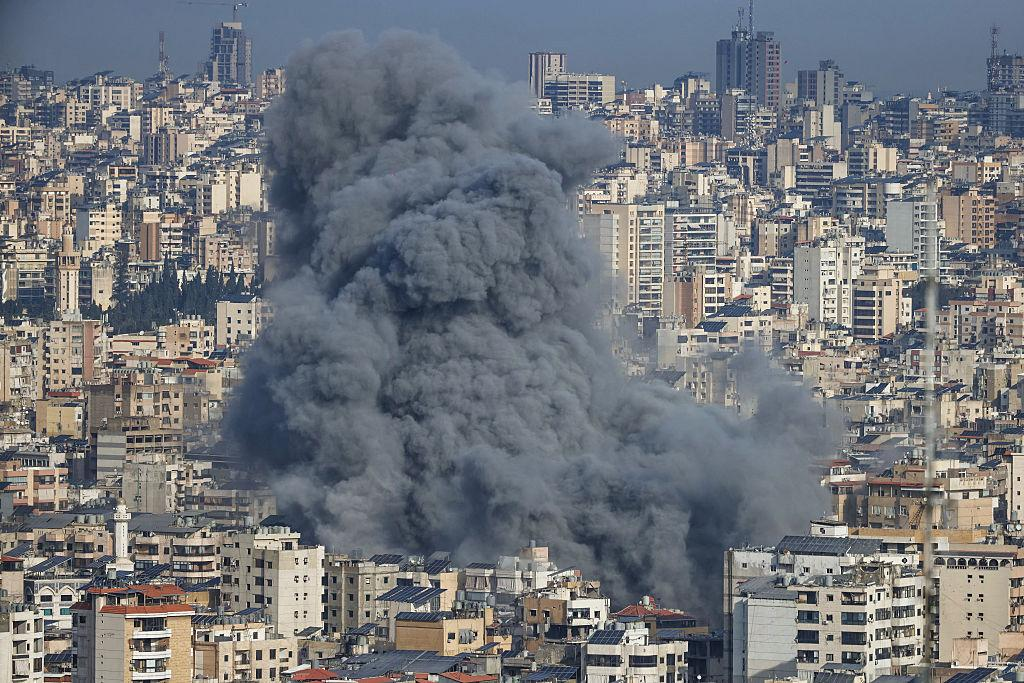
Iran-backed Hezbollah has launched hundreds of rockets into northern Israel. Israeli airstrikes in Beirut and southern Lebanon have displaced thousands of civilians.
Red Sea
Houthi forces in Yemen have resumed attacks on cargo vessels in the Red Sea, threatening one of the world’s most critical maritime trade routes.
Indian Ocean
In a significant escalation, a US submarine reportedly sank the Iranian naval vessel IRIS Dena near Sri Lankan waters.
Energy Shock: Strait of Hormuz Disruption
The biggest global impact of the West Asia war crisis has been on energy markets.
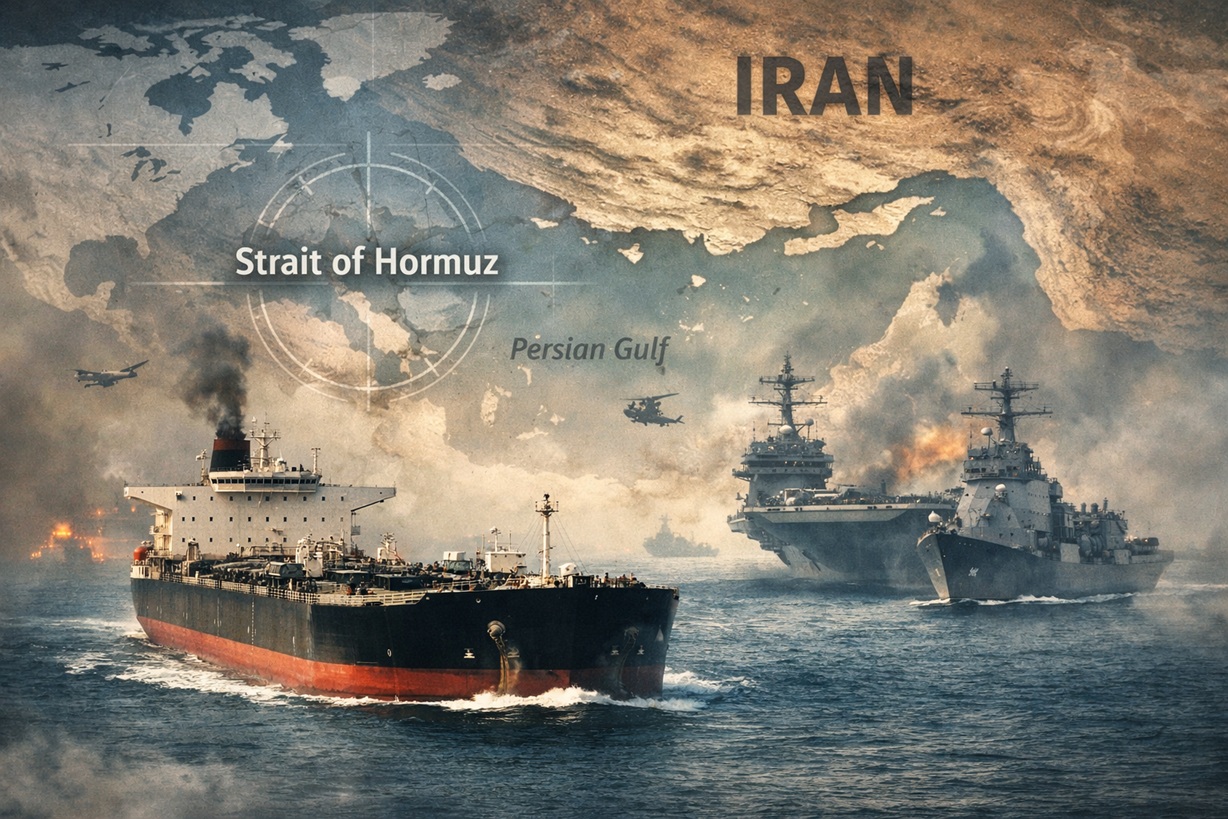
The Strait of Hormuz, through which about 20% of the world’s oil supply passes, has become extremely dangerous for shipping.
Key Energy Market Changes
| Indicator | Before Conflict | Current |
| Brent Crude | ~$70 | ~$118 |
| Oil Supply Loss | — | ~9 million barrels/day |
| LNG Market | Stable | Severe disruption |
| Hormuz Traffic | 80 ships/day | <5 ships/day |
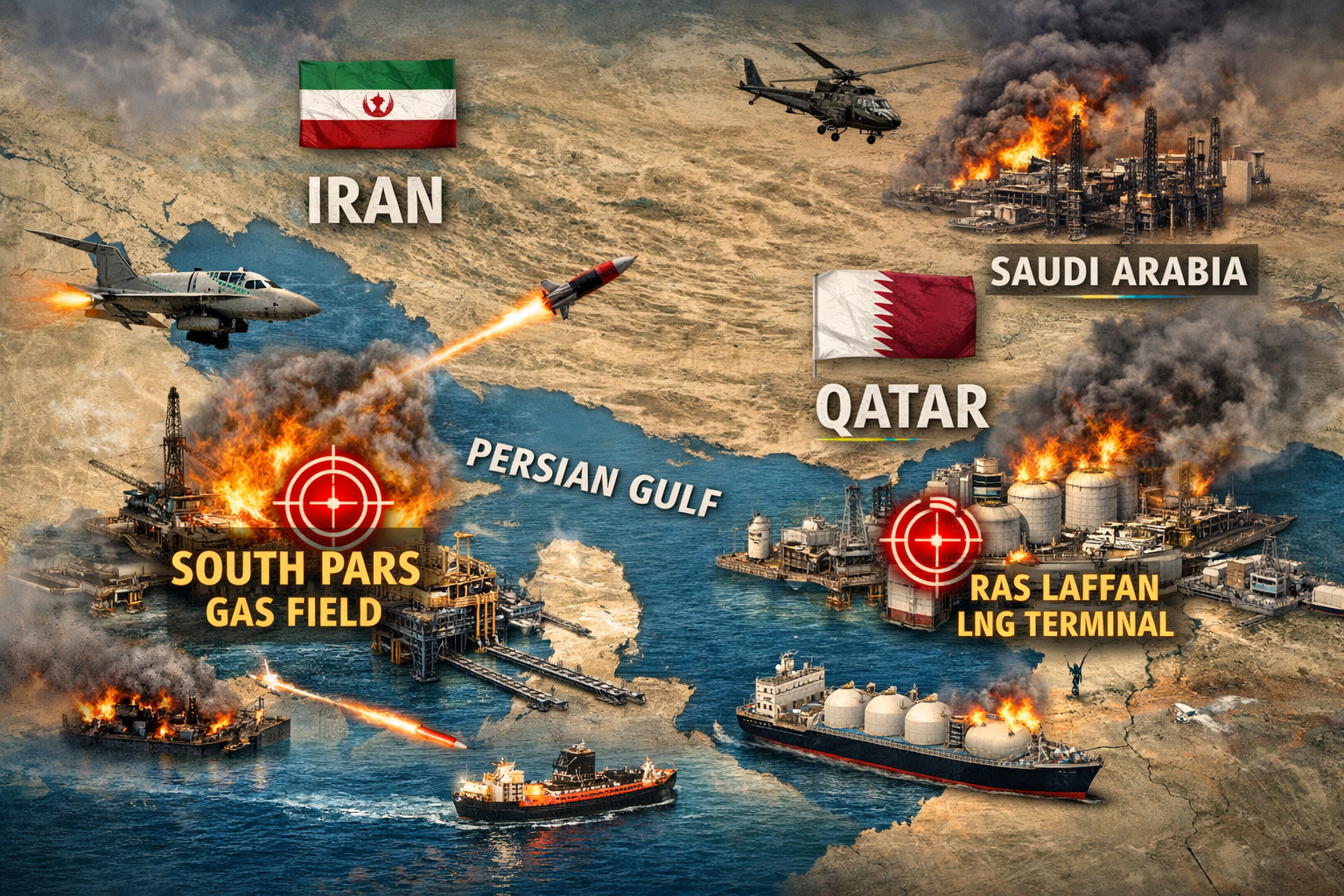
Energy facilities hit by drone strikes include:
- Haifa refinery in Israel
- Saudi oil storage depots
- UAE refining facilities
- Qatar LNG terminals
Energy experts warn oil prices could surge beyond $150 per barrel if the Strait of Hormuz remains blocked.
Global Economic Shock
The West Asia war crisis has already triggered major volatility in global financial markets.
Global Stock Market Impact
| Index | Decline |
| Nikkei 225 | -7% |
| KOSPI | -8% |
| Dow Jones | Largest weekly fall since 2025 |
Investors have rushed toward safe-haven assets such as gold and US treasury bonds.
The IMF has warned that a 10% increase in oil prices could add 0.4% to global inflation.
Impact of the West Asia War Crisis on India
India is among the countries most vulnerable to the crisis because it imports nearly 85% of its crude oil, much of it from the Gulf.
The escalating conflict is now starting to affect India’s financial markets, energy security and daily economic activity.
Oil Import Shock
India sources large volumes of crude oil from Gulf nations including:
- Saudi Arabia
- Iraq
- UAE
- Kuwait
With shipping disruptions in the Strait of Hormuz, India’s energy import bill is rising sharply.
Economic consequences
- Rising petrol and diesel prices
- Increased inflation risk
- Higher government fuel subsidies
- Pressure on the Indian rupee
Economists warn that if oil prices remain above $110 per barrel, India’s current account deficit could widen significantly.
Financial Market Turbulence in India
Indian stock markets have reacted sharply to the global uncertainty.
In the first week of March:
- BSE market capitalisation reportedly fell by over ₹25 lakh crore
- The Indian rupee weakened sharply against the US dollar
- Aviation, chemicals and paint sector stocks declined
Airline companies are particularly vulnerable due to soaring aviation fuel costs.
Jet fuel prices in Asia have surged nearly 200%, severely affecting airline profitability.
Restaurants and Businesses Feeling the HeatBeyond financial markets, the West Asia war crisis is also affecting everyday businesses in India.
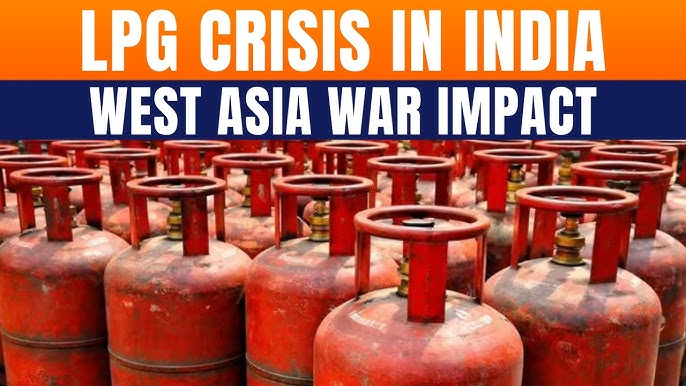
Restaurant associations in several cities have warned that rising fuel costs and supply disruptions are hurting the hospitality sector.
Cities reporting business disruptions
- Bengaluru
- Mumbai
- Hyderabad
- Delhi NCR
Some small restaurants in Bengaluru have reportedly closed temporarily due to:
- Rising cooking gas prices
- Higher food ingredient costs
- Lower consumer spending amid economic uncertainty
Food delivery costs and supply chain disruptions are also affecting restaurant operations.
Industry groups say the hospitality sector — still recovering from earlier economic shocks — could face another financial setback if fuel prices continue rising.
Global Trade and Logistics Crisis
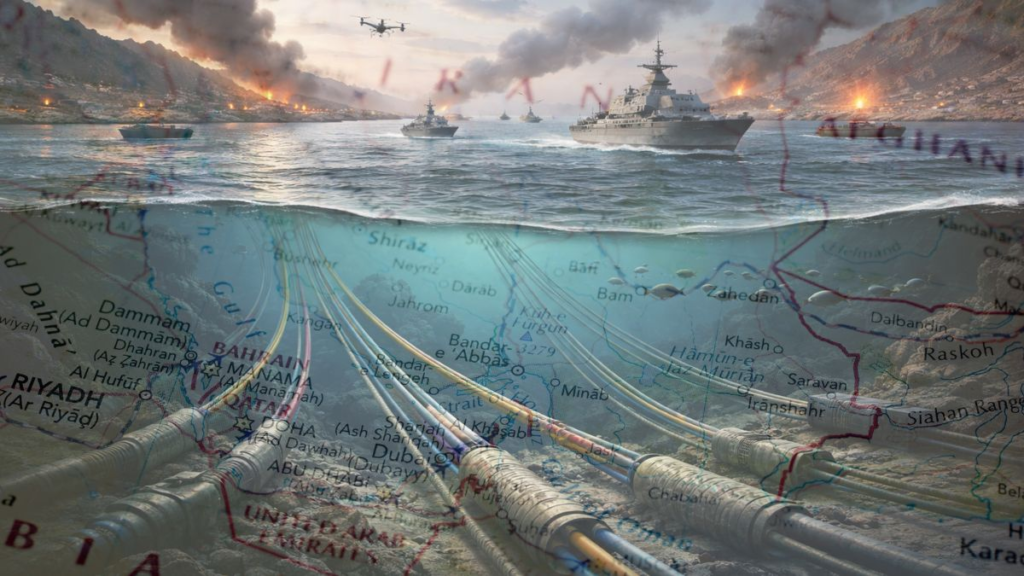
The war has also disrupted key trade routes connecting Asia, Europe and the Middle East.
Major shipping companies including:
- Maersk
- MSC
- Hapag-Lloyd
have suspended transit through the Strait of Hormuz.
Ships are now rerouting around the Cape of Good Hope, adding up to 15 days to shipping times.
Logistics impact
- Over 3,000 vessels stranded in the Gulf
- Freight costs doubling
- Supply chain delays across continents
- Aviation disruptions with 4,000 flights cancelled
Humanitarian Crisis
The conflict is also generating a growing humanitarian emergency.
Early estimates suggest:
| Country | Casualties |
| Iran | 1,200+ |
| Lebanon | 200+ |
| Israel | Dozens |
| Injured (regional) | 7,000+ |
Mass evacuations of foreign nationals are underway across Gulf countries.
Thousands of civilians have been displaced, particularly in Lebanon.
What Happens Next
Diplomatic efforts to de-escalate the conflict remain uncertain.
US officials have warned the war could continue for several weeks, while Iran has vowed continued retaliation.
Energy markets remain focused on the Strait of Hormuz, which remains the most critical flashpoint.
If the blockade continues, analysts warn oil prices could surge dramatically, intensifying the West Asia war crisis and its global economic consequences.
Conclusion
The West Asia war crisis triggered by US–Israel strikes on Iran is rapidly evolving into one of the most consequential geopolitical conflicts in recent years.
Beyond military escalation, the war is already disrupting global energy supplies, destabilising financial markets and affecting everyday economic activity in countries like India.
From oil prices and stock markets to restaurant closures in cities like Bengaluru, the ripple effects are becoming visible across the world — underscoring how a regional conflict can quickly turn into a global economic shock.
References
https://www.reuters.com/world/middle-east/how-us-israeli-war-iran-is-upending-global-business-2026-03-09/
https://www.reuters.com/world/middle-east/netanyahu-says-us-israel-war-iran-not-going-take-years-2026-03-03/
https://www.reuters.com/world/asia-pacific/iran-says-oil-blockade-will-continue-until-attacks-end-trump-threatens-hit-2026-03-10/
https://www.aljazeera.com/news/2026/3/10/how-will-soaring-oil-prices-caused-by-iran-war-impact-food-prices
https://timesofindia.indiatimes.com/business/international-business/strait-of-hormuz-crisis-amid-iran-war-saudis-aramco-ceo-warns-of-catastrophic-consequences-for-oil-markets/articleshow/129381629.cms
https://timesofindia.indiatimes.com/business/india-business/us-iran-war-impact-how-can-india-shock-proof-itself-against-future-oil-lpg-lng-supply-disruptions/articleshow/129401144.cms