 Digital Team
Starlink’s Growing Geopolitical Power: Who Controls the Internet?
From Iran’s internet blackout to the war in Ukraine to strife in Venezuela and other geopolitical struggles, Elon Musk’s Starlink satellite network is proving to be a major geopolitical force, bringing up critical questions of accountability and control.
The Quiet Revolution in Global Connectivity
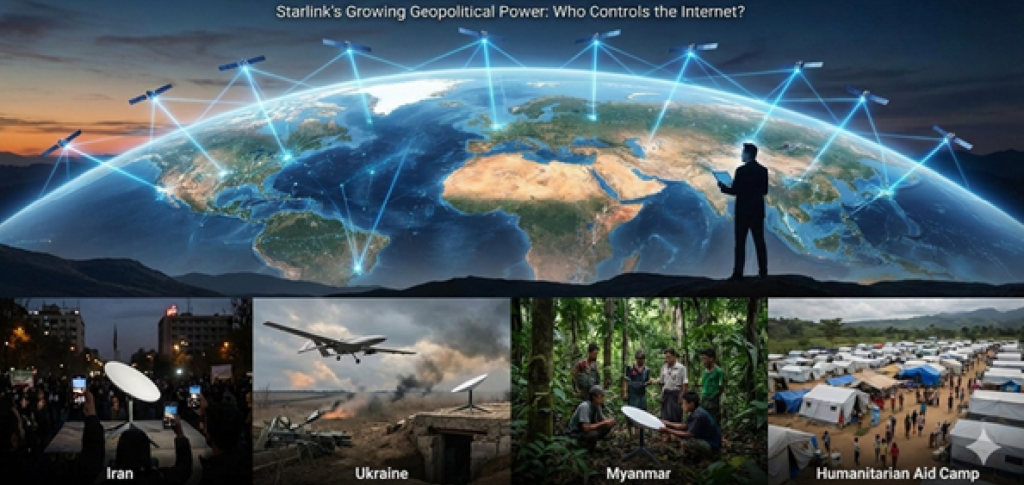
Elon Musk’s Starlink satellite internet service is quietly rearranging the global power map by avoiding state-run networks in conflict zones and protest hotspots and other parts of the world by cutting through state power. In Iran, Ukraine, Myanmar and Venezuela, Starlink connectivity has changed protests, military movements and flows of information—all things that can be done easily if you flip a switch. The spread of this technology is raising concerns about whether too much power now resides in one person and one company.
Starlink in International Disputes and Protests
Starlink has become a nexus of globalized battles and protests. Built by SpaceX, it provides high-speed internet through thousands of low-Earth orbit satellites. Unlike terrestrial providers, it does not operate around cables or cell towers—and is then less directly under the jurisdiction of national regulations. This design has rendered Starlink indispensable where governments mandate internet bans but has also turned a private company into a global strategic player.
The Iranian Internet Ban and Starlink Connection
In Iran, authorities have repeatedly imposed near-total internet shutdowns to stifle protests and control information. Social media platforms, messaging apps and connectivity are regularly blocked. But Starlink terminals—roughly a laptop’s size—have trickled into the country through smuggling routes via the Gulf and the Iraqi Kurdistan border. Projections indicate that somewhere between 50,000 to 100,000 Starlink terminals are in operation. Each terminal is priced at about $600, plus subscription fees. Without government approval, ownership can be illegal; if discovered, users could be imprisoned—or worse.
Starlink works nonetheless because Musk can remotely activate the coverage. During a flare-up in regional hostilities last year, Musk publicly confirmed that Starlink “beams” were switched on, showing how quickly a private decision can circumvent a sovereign ban.
Ukraine War: Starlink in the Fight
Starlink’s impact was visibly felt internationally during the 2022 Ukraine war. At the time of Russia’s invasion, Ukraine depended heavily on Starlink for communications, orchestrating troops and flying drones. But during a Ukrainian move in Crimea, Starlink access was said to be curtailed. Ukrainian sea drones missed their course and washed ashore unharmed. Musk later said he worried the escalation could provoke a nuclear retaliation from Russia. The episode underscored a harsh truth: a single company decision changed the course of a military strategy in real time.
Myanmar, Sudan and Civil Wars
The Starlink footprint doesn’t stop at Europe and the Middle East. In Myanmar, where the military junta has implemented frequent internet blackouts, opposition organizations have also reportedly leveraged Starlink to coordinate operations. Both factions are reported to use Starlink terminals in Sudan’s persistent civil war to communicate despite infrastructure going dark. What started as an “emergency connectivity tool” is slowly becoming part of contemporary warfare and insurgency.
Venezuela, US Strategic Interests and the Caribbean Crisis
In Venezuela, activation of Starlink was a result of strained relations with the United States. Musk announced temporary free access to Venezuelans, framing it as humanitarian help. Critics say such action is always in line with U.S. geopolitical interests because Starlink is a U.S.-based service bound by U.S. law and strategic priorities.
Why Starlink’s Power Worries Experts
Analysts suggest two primary concerns:
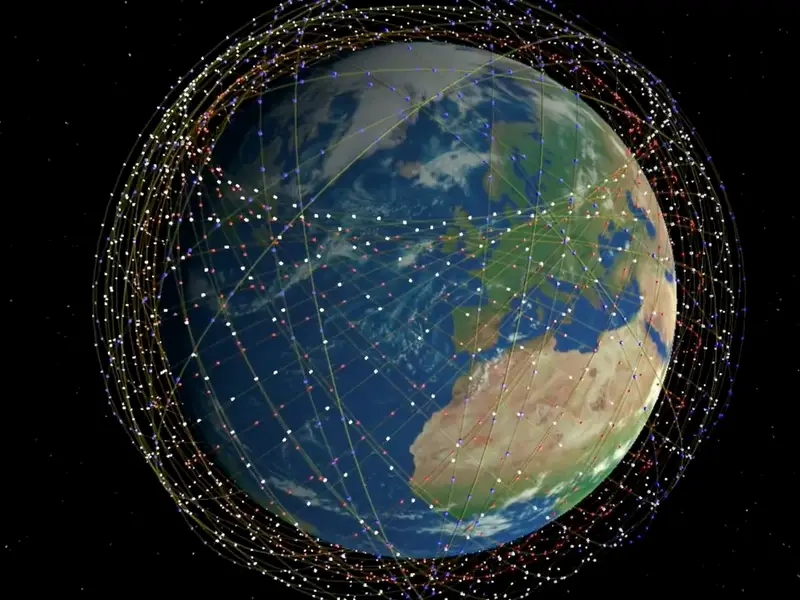
Concentration of Power: Starlink is not simply another internet provider anymore. With more than 9,000 satellites in orbit and offerings in more than 150 countries, it has become a global communications heavyweight. Decisions affecting millions are often the result of the private judgment of one person—without democratic control.
Selective Activation: Starlink is still inactive in China, where Musk has major business interests. Critics say this exposes a selective moral framework—encouraging connectivity in some authoritarian nations while shutting out others.
Can Governments Counter Starlink?
Iran seems to be responding. Reports estimate that as much as 80% of Starlink traffic in a few parts is already being disrupted with militarized GPS jammers, likely provided by Russia or China. Experts point out that Starlink terminals rely on GPS signals to connect to satellites. Jam the GPS and you lose the connectivity. This arms race over technology is likely to escalate as more states attempt to regain control of their information space.
Who Should Control the Internet?

The Starlink explosion has highlighted a tremendous dilemma. Satellite internet can transform citizen power, circumvent censorship and save lives during crises. But the risks are no less real when access rests at the discretion of a single corporate leader. Today it is Iran or Venezuela. Tomorrow it could be any nation with political turmoil.
The answer, many experts say, is not outsourcing freedom to billionaires but building a solid foundation for domestic legal norms, courts and democratic checks. Ultimately, the fight against internet shutdowns must be won at home—not from space.
References
- Moneycontrol on Starlink’s global force in wars and protests: https://www.moneycontrol.com/world/from-iran-to-venezuela-to-ukraine-how-elon-musk-s-starlink-became-a-quiet-force-in-wars-prote …
- Washington Post on Iran jamming: https://www.washingtonpost.com/technology/2026/01/13/iran-starlink-protest-musk-trump/