 Dr. Biswendu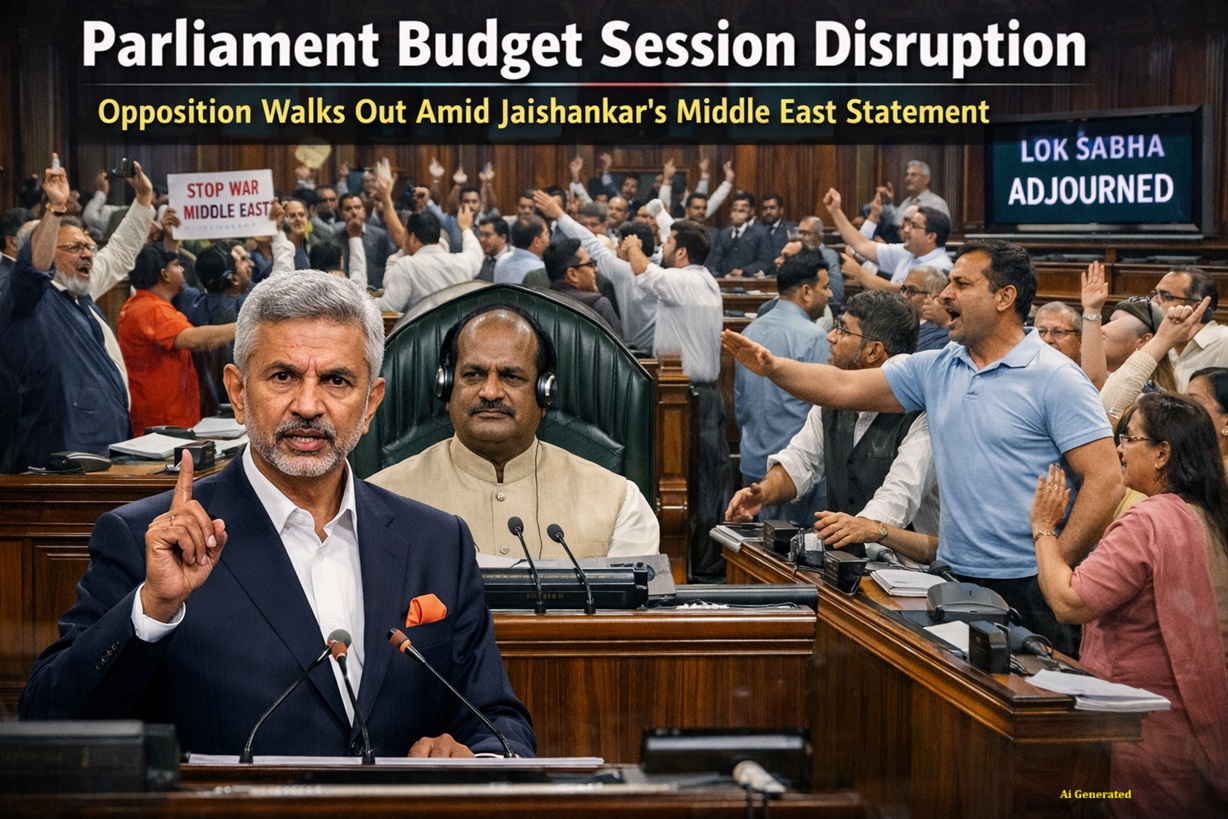
Budget Session Phase 2 begins with uproar as opposition protests during foreign policy statement; government stresses diplomacy amid escalating Middle East tensions.
The Parliament Budget Session disruption marked the opening day of the second phase of the Budget Session on Monday as opposition parties staged protests and walkouts during a statement by External Affairs Minister S. Jaishankar on the escalating Middle East crisis. The government reiterated India’s stance favouring diplomacy and peace, but repeated sloganeering stalled proceedings in both Houses.
Parliament Budget Session Disruption: What Happened on Day One
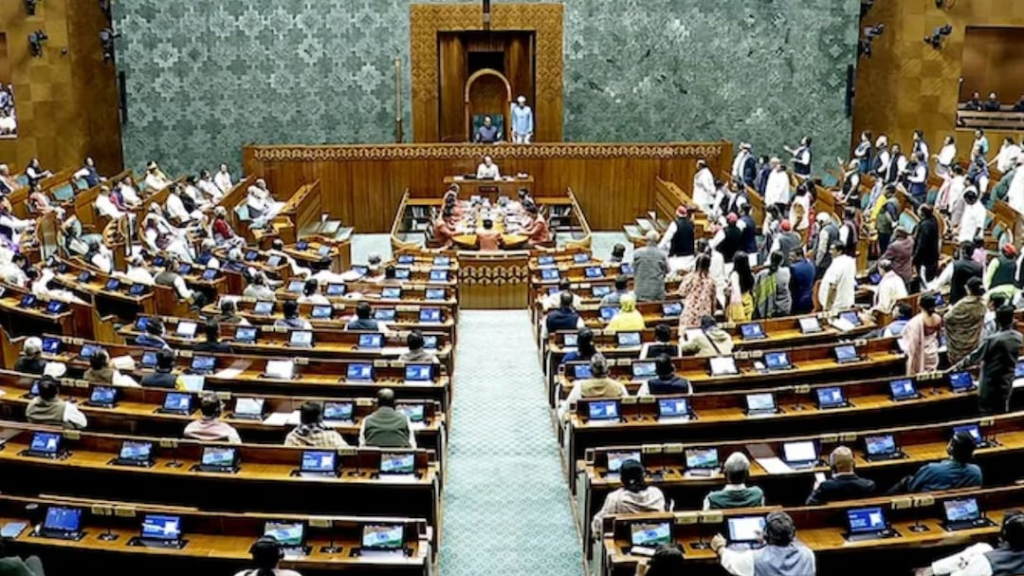
The second phase of the Parliament Budget Session began amid heightened political tensions in New Delhi.
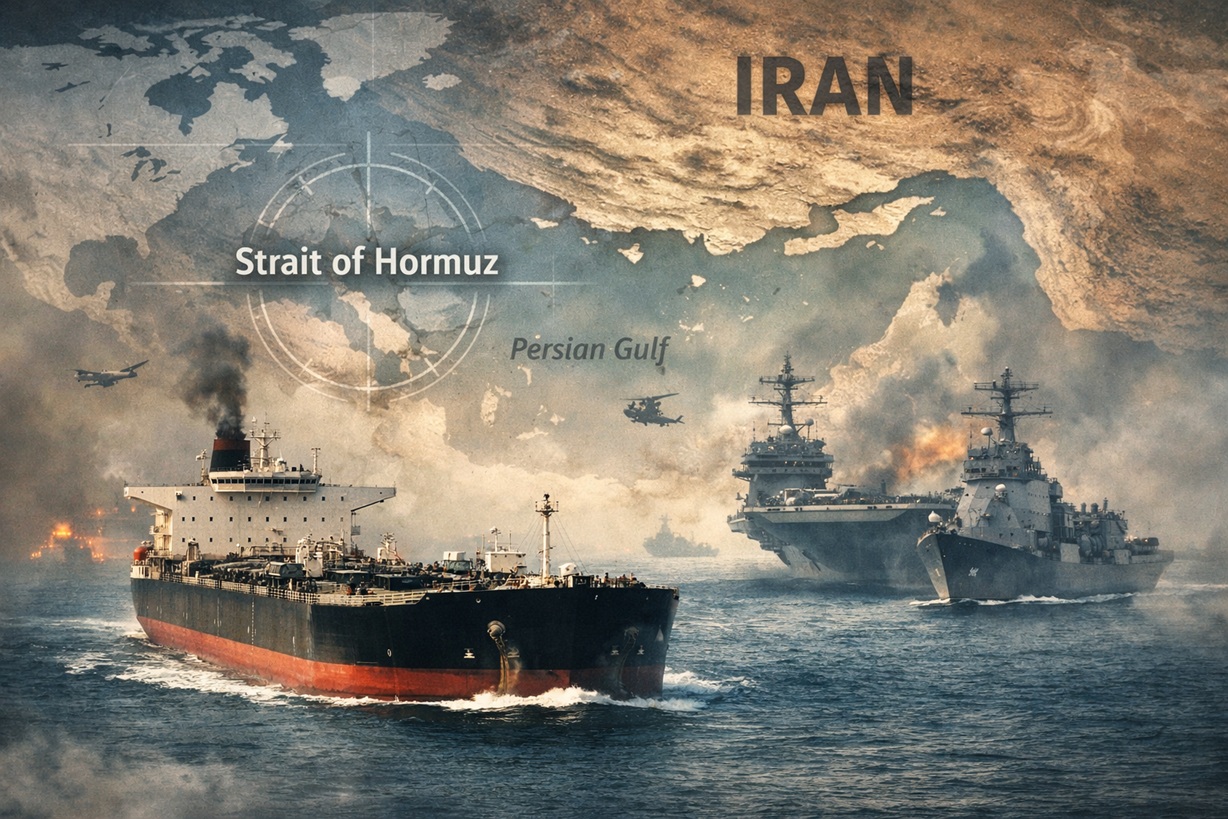
Soon after the House assembled, External Affairs Minister S. Jaishankar addressed Parliament regarding the escalating conflict in West Asia, involving Israel, Iran, and the United States.
He said India’s priority is clear.
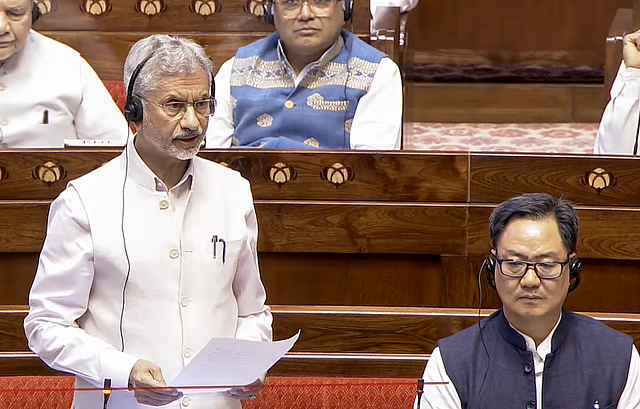
“India supports peace, dialogue and a diplomatic resolution to the conflict,” Jaishankar told the House.
However, opposition members interrupted the proceedings, leading to repeated disruptions in both the Lok Sabha and Rajya Sabha.
Several opposition parties staged a walkout in the Rajya Sabha, while protests continued in the Lok Sabha, forcing adjournments.
India’s Position on the Middle East Crisis
Government Calls for Diplomacy and Peace
During his statement, Jaishankar emphasised that India is closely monitoring developments in the Middle East.
Key points highlighted by the government:
- India prioritises peace and diplomatic dialogue
- The conflict has global economic implications, particularly for energy markets
- The government is monitoring the safety of Indian citizens in West Asia
- Diplomatic channels remain active with key international stakeholders
India has historically maintained balanced relations with Israel, Iran and Gulf nations, making neutrality and diplomacy a core component of its foreign policy.
Officials indicated that the government remains prepared for contingency measures if the conflict escalates.
Global War Fears and Oil Price Concerns
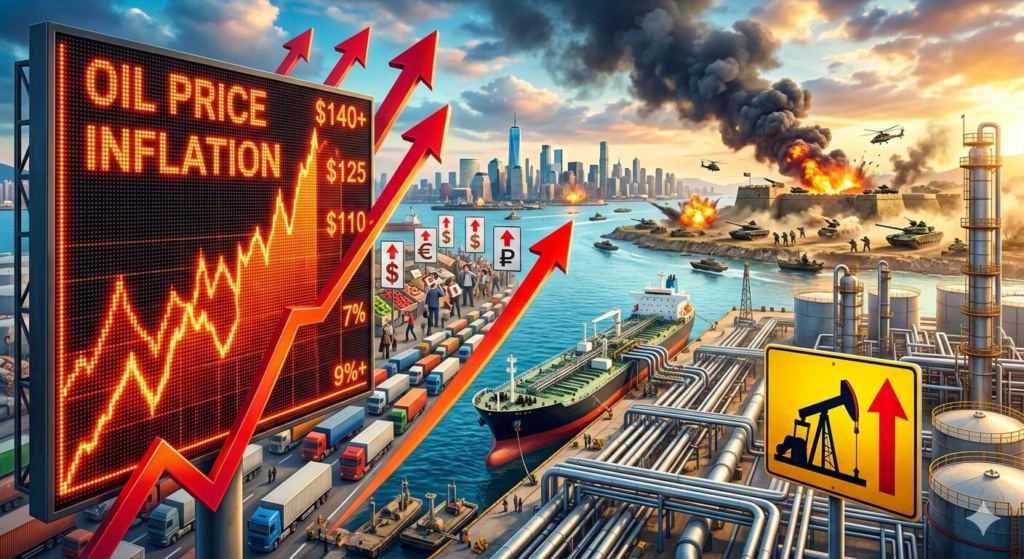
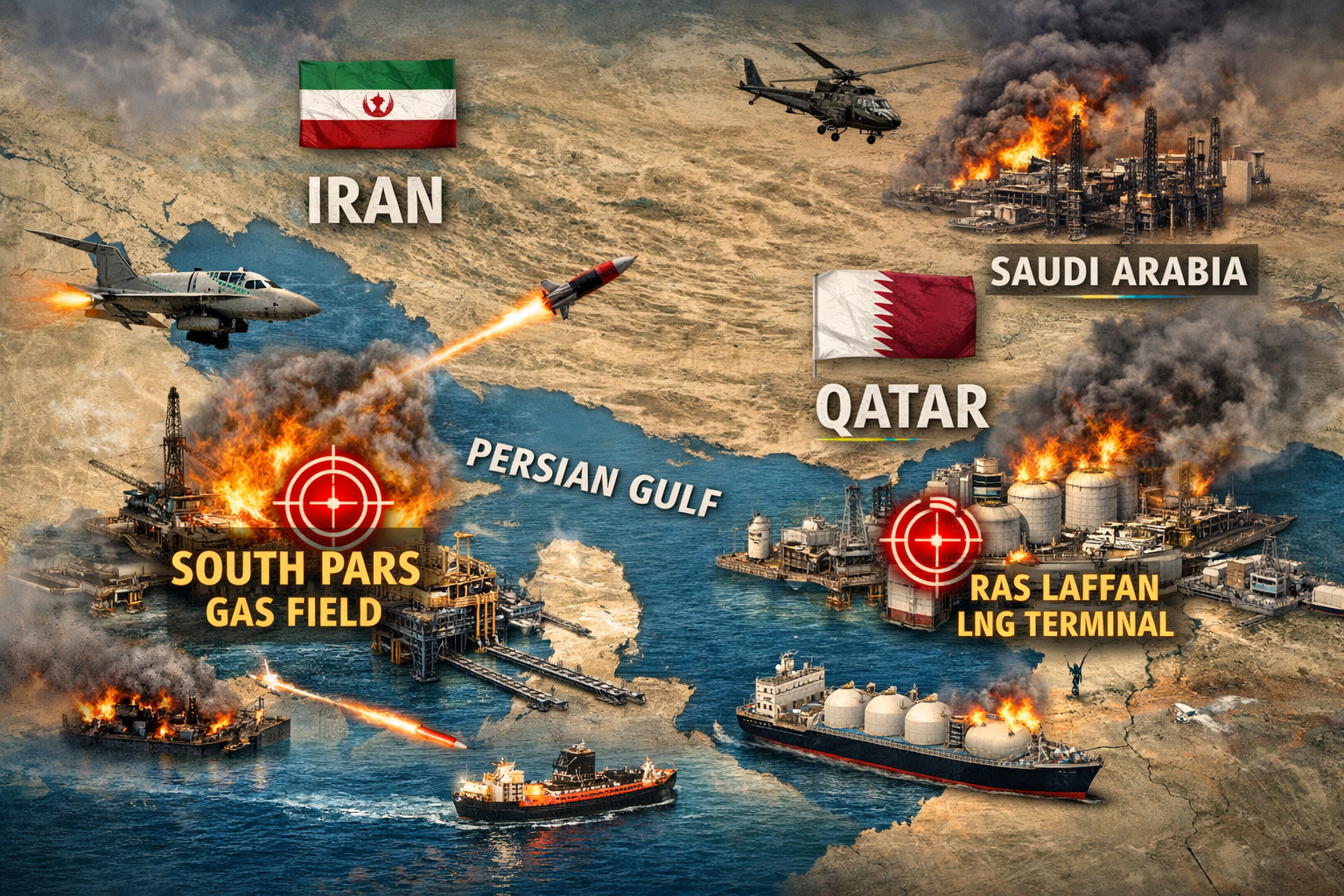
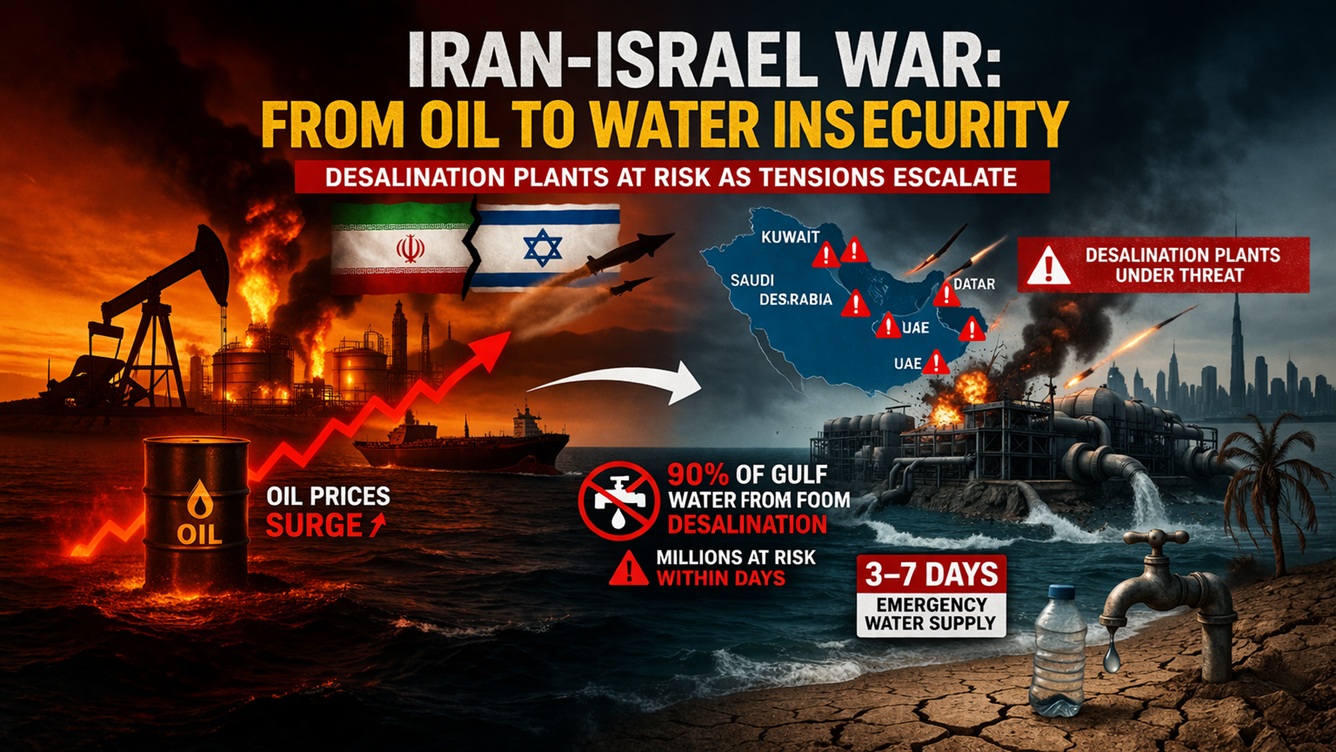
The conflict in West Asia has already triggered volatility in global markets.
Analysts warn that escalating tensions could significantly affect global oil prices.
| Issue | Possible Impact |
| Oil supply disruption | Prices could cross $100 per barrel |
| Energy imports | India’s import bill may rise |
| Indian diaspora | Millions of Indians reside in Gulf nations |
| Global markets | Supply chain disruptions |
Experts say any prolonged war could impact India’s inflation, fuel prices, and trade balance.
Opposition Protests Trigger Walkout
The Parliament Budget Session disruption intensified when opposition leaders began raising slogans during the minister’s statement.
Opposition parties demanded:
- Broader debate on India’s foreign policy response
- Discussion on the Middle East conflict and its economic implications
- Clarification on government preparedness for potential regional escalation
The protests led to repeated adjournments.
In the Rajya Sabha, several opposition MPs walked out of the House after raising objections during the minister’s speech.
Speaker Om Birla Removal Motion Deferred
Amid the chaos, another key parliamentary development was affected.
A proposed discussion on a motion to remove Lok Sabha Speaker Om Birla could not take place due to disruptions.
Parliamentary sources said the discussion is now expected to be taken up in the coming days.
The motion has triggered intense political debate between the ruling NDA and opposition parties.
Political Flashpoint: Rahul Gandhi Under Fire
The session also saw sharp political criticism aimed at Congress leader Rahul Gandhi.
Ruling party leaders accused the opposition of deliberately disrupting proceedings instead of participating in debate.
Some BJP leaders alleged that the opposition strategy is to stall Parliament rather than engage in discussion on national issues.
However, opposition leaders argue that their protests highlight what they describe as the government’s unwillingness to allow meaningful debate.
Strategy Battle: Government vs Opposition
Political observers say the second phase of the Budget Session could witness intense confrontation between the ruling coalition and the opposition alliance.
Key issues expected to dominate the session include:
- Foreign policy developments in the Middle East crisis
- Economic concerns including inflation and oil prices
- Opposition demands for broader debate
- Legislative proposals from the government
With several major bills likely to be introduced, both sides appear prepared for a high-stakes parliamentary battle.
What Happens Next in Parliament
Parliament is expected to reconvene with discussions on pending legislative matters and political motions.
Sources suggest the government may push for debates on key issues while seeking to maintain legislative momentum.
The opposition, meanwhile, is expected to continue pressing for wider discussions on foreign policy and economic impacts arising from global conflicts.
Whether Parliament can function smoothly in the coming days remains uncertain.
Conclusion
The opening day of the Parliament Budget Session disruption underscores the deep political divide in India’s legislature. While the government seeks to present India’s diplomatic stance on the escalating Middle East crisis, opposition parties insist on broader debate and accountability.
With global tensions rising and domestic political stakes high, the coming days of the Budget Session are likely to test the functioning of Parliament and shape the national political narrative.
FAQs
Q: Why was Parliament disrupted during the Budget Session?
A: Parliament witnessed disruptions after opposition members protested during the External Affairs Minister’s statement on the Middle East crisis.
Q: What is India’s stance on the Middle East conflict?
A: India supports peace, dialogue and diplomatic resolution while closely monitoring the safety of Indian citizens in the region.
Q: What motion involving Speaker Om Birla was scheduled?
A: A discussion on a motion seeking the removal of Lok Sabha Speaker Om Birla was expected but could not take place due to disruptions.
Q: Why are oil prices linked to the Middle East conflict?
A: The region is a major global oil supplier, and conflicts there can disrupt supply, pushing global oil prices higher.
Q: How many Indians live in the Middle East?
A: Millions of Indians work and reside in Gulf countries, making regional stability important for India.
References