 Digital Team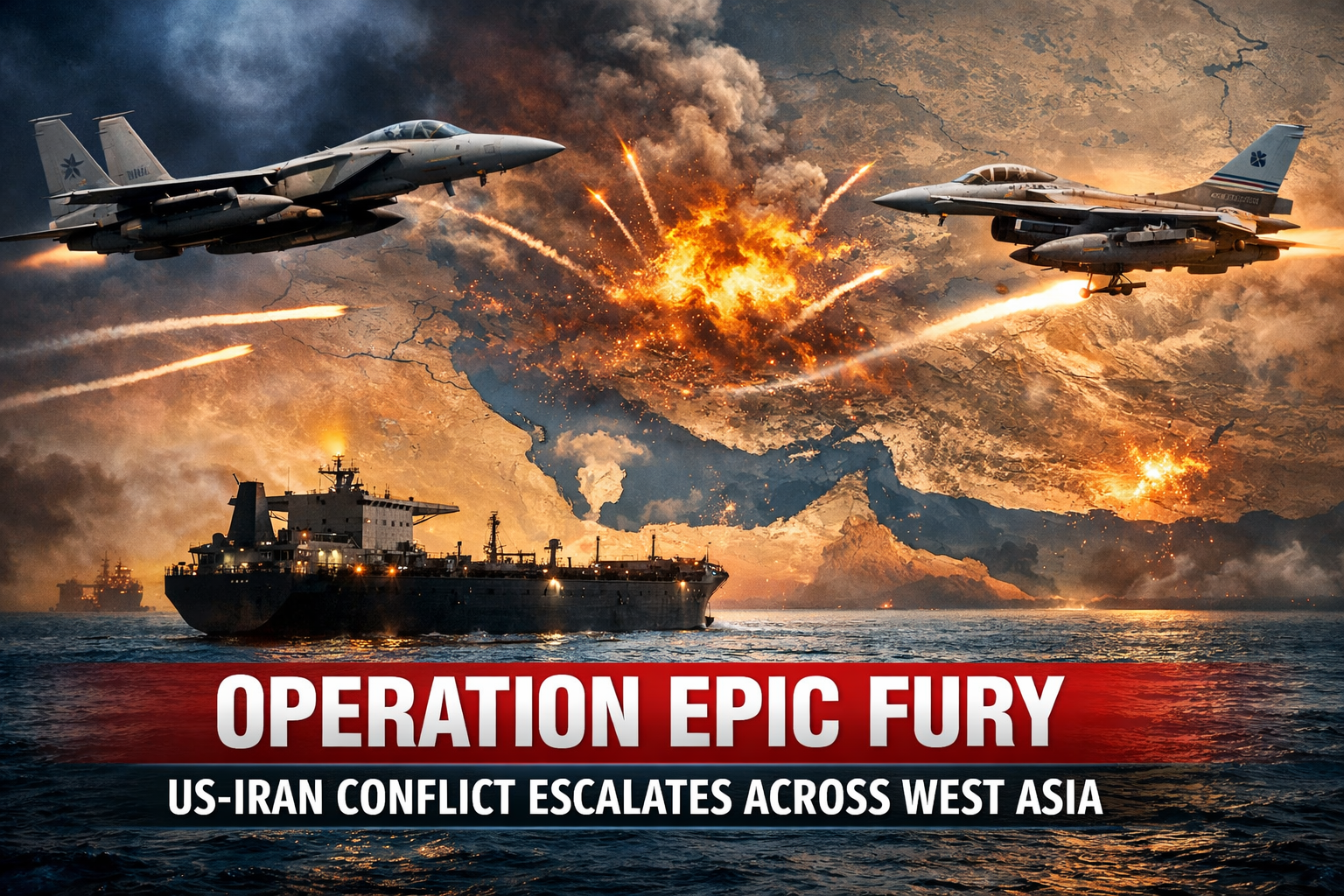
Joint US-Israel offensive under Operation Epic Fury triggers Iranian missile retaliation across West Asia; global oil and security concerns mount, How the World Is Reacting to the Attack on Iran?
Operation Epic Fury marks the largest coordinated US-Israel military action against Iran in over two decades, with American and Israeli forces launching extensive strikes on February 28, 2026. US President Donald Trump confirms the operation in a televised address, calling it “massive and ongoing,” as Iran retaliates with ballistic missile barrages targeting Israel and US bases across West Asia.
The escalation — described by analysts as the most volatile regional flashpoint since 2003 — sees strikes across Tehran, Isfahan and Kermanshah, targeting missile launchers, IRGC facilities, air defence systems and suspected nuclear-linked sites. Within hours, Iran launches missiles at Israel and American installations in Bahrain, Qatar, Kuwait and the UAE, transforming the confrontation into open warfare.
Operation Epic Fury: What Happened on February 28?
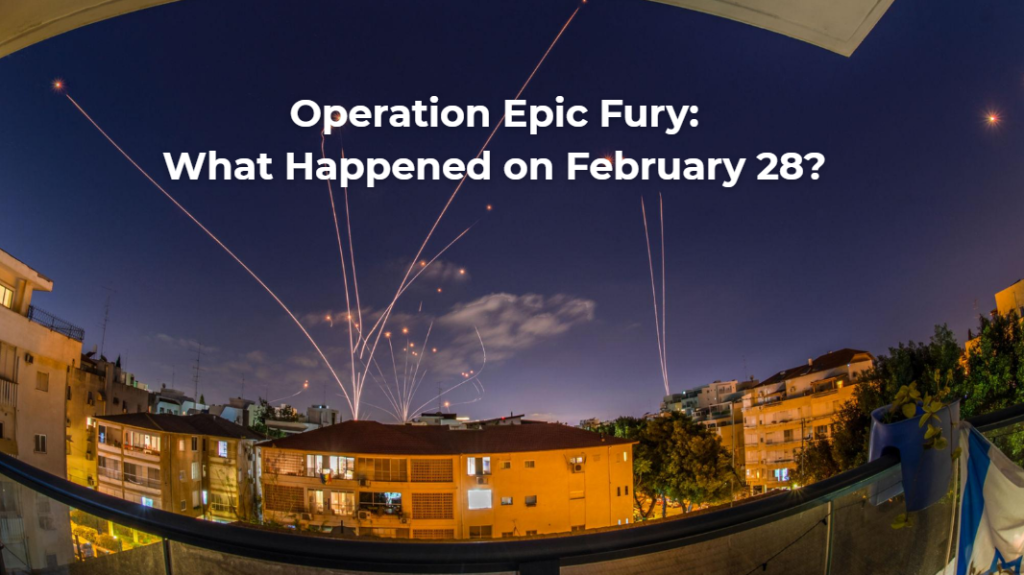
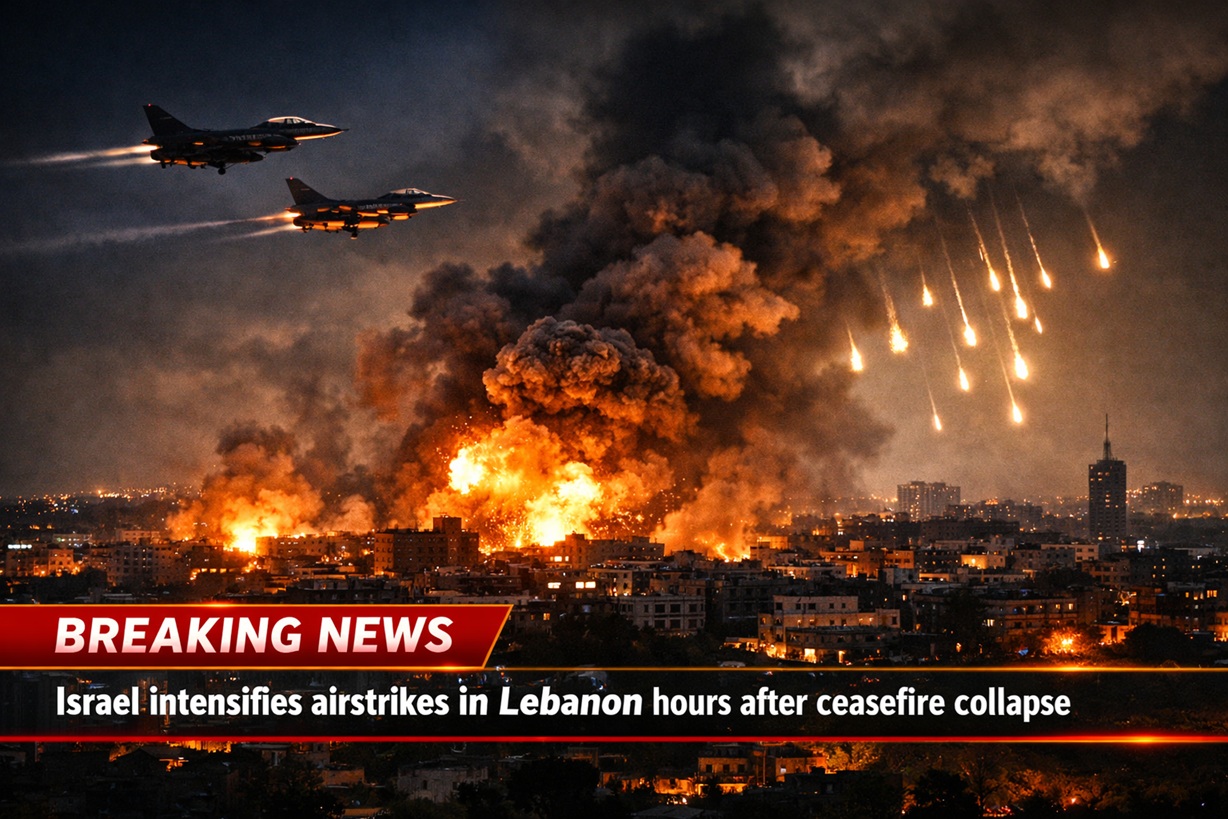
Israel initiates pre-emptive airstrikes under “Operation Roaring Lion,” deploying nearly 200 fighter jets in its largest sortie to date. Hours later, the United States joins the offensive under Operation Epic Fury, targeting high-value Iranian military infrastructure.
Explosions rock central Tehran as satellite imagery shows plumes of smoke over strategic zones. Iranian state media confirms casualties but withholds official numbers.
President Trump states the objective is to “neutralise immediate threats to American interests and prevent nuclear escalation,” urging Iranian citizens to challenge the ruling regime.
Key Targets Hit in Operation Epic Fury
- Missile launch sites in Tehran and Isfahan
- IRGC command centres
- Air defence radar networks
- Suspected nuclear-linked facilities
- Naval assets in southern Iran
Israeli officials say the focus remains on degrading Iran’s missile and nuclear capabilities.
Massive US Military Deployment Surrounds Iran
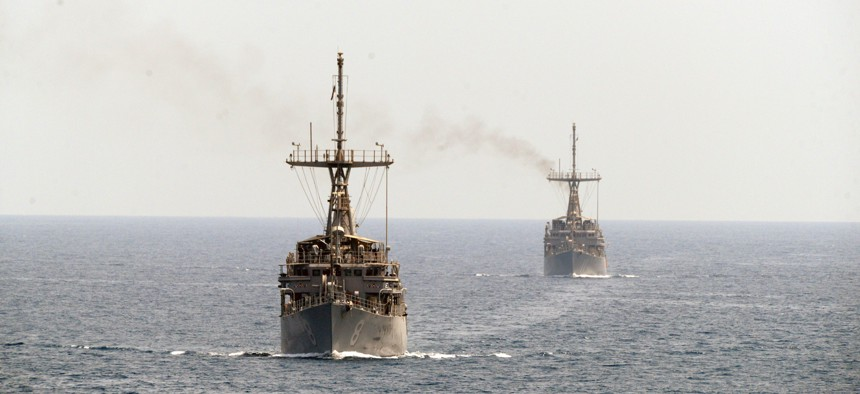
The Pentagon mobilises what President Trump calls an “armada,” marking the largest American military presence in the region since the Iraq War.
The USS Abraham Lincoln carrier strike group positions near the Persian Gulf, accompanied by guided-missile destroyers capable of launching Tomahawk cruise missiles.
The USS Gerald R. Ford, the US Navy’s most advanced carrier, reinforces operations from the eastern Mediterranean.
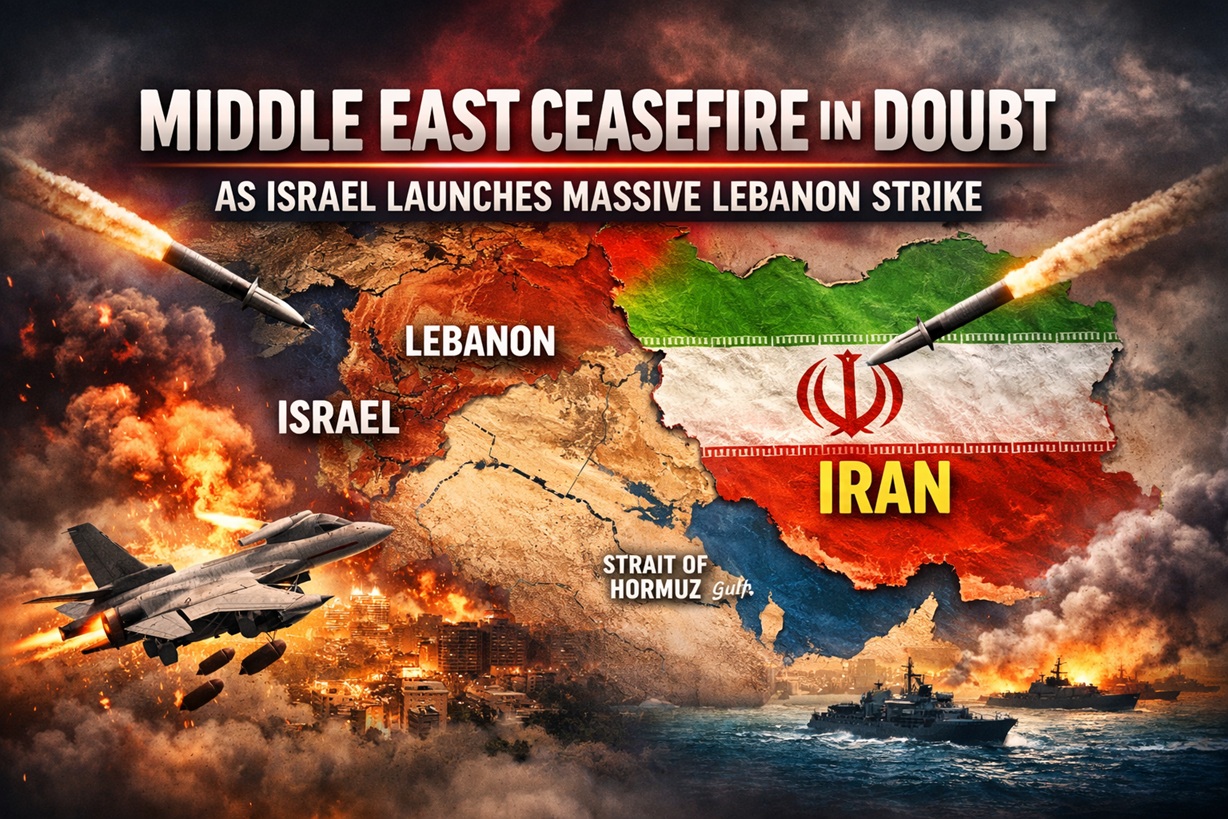
Destroyers secure the Strait of Hormuz — a critical global oil chokepoint that handles nearly 20% of global petroleum trade.
Air Dominance Strategy in Operation Epic Fury
The US deploys:
- F-22 Raptors in Israel
- F-35 and F-15 fighters in Jordan
- B-2 stealth bombers from Diego Garcia
- AWACS surveillance aircraft
- Patriot and THAAD missile defence systems
Military strategists describe the move as a “multi-axis encirclement” combining maritime control, air superiority and electronic warfare.
Iranian Retaliation Intensifies West Asia Conflict
Iran responds with dozens of ballistic missiles — including Emad and Ghadr variants — targeting Israel and US facilities.
Israel’s Iron Dome and Arrow systems intercept most incoming missiles, though authorities report over 80 injuries. The US Central Command confirms minor injuries at regional bases but no American fatalities.
Iranian commanders vow “continued retaliation until definitive defeat of aggressors.”
Strategic Objectives Behind Operation Epic Fury
1. Nuclear Deterrence
Washington reiterates that preventing Iran from acquiring nuclear weapons remains central. Officials cite intelligence assessments pointing to accelerated uranium enrichment.
2. Missile Neutralisation
The offensive targets long-range missile systems capable of striking Israel and Gulf states.
3. Energy Security and Geopolitics
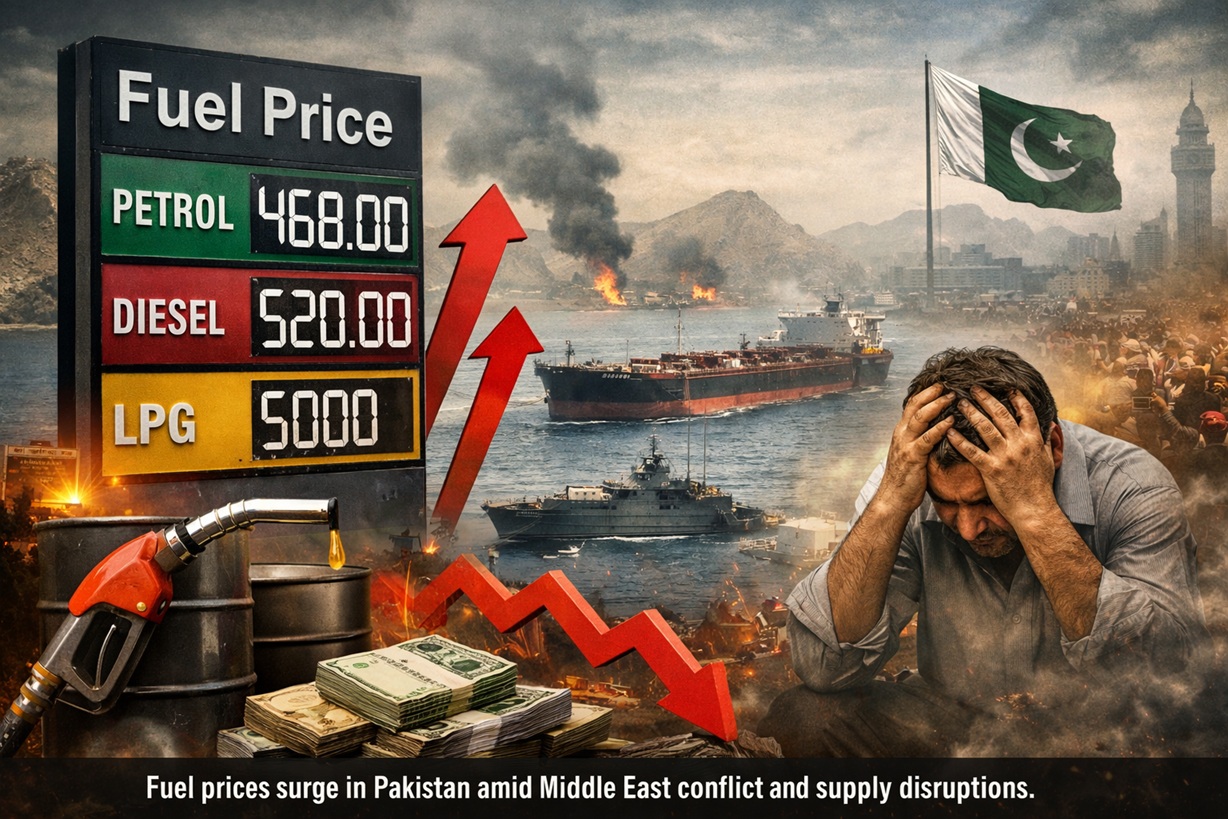
The Strait of Hormuz emerges as a strategic flashpoint. Analysts warn prolonged conflict could disrupt oil shipments, impact Asian economies and trigger energy price volatility.
China — a major importer of Iranian oil — could face supply realignment.
Casualty Snapshot (Preliminary)
| Side | Reported Casualties | Notes |
| Iran | 200+ dead, 700+ injured (unconfirmed) | Includes IRGC officials |
| Israel | 80+ injured | Missile-related injuries |
| US | No confirmed deaths | Minor injuries reported |
Independent verification remains limited due to airspace closures and restricted access.
How Long Can Operation Epic Fury Last?
Military sources suggest sufficient US stockpiles for sustained strikes lasting several days. Defence analysts estimate a 7–10 day high-intensity phase, though no formal timeline is announced.
Regional airspace closures continue. Brent crude prices show volatility amid supply concerns. Diplomatic channels at the United Nations remain active, but no ceasefire framework has emerged.
Broader Regional Fallout
- Houthi forces resume Red Sea disruptions
- Gulf states issue aviation advisories
- Emergency UN Security Council session requested
- Protests reported in regional capitals
Observers describe this as the most volatile moment in West Asia since 2003.
Conclusion: What Operation Epic Fury Means for the World
Operation Epic Fury continues without visible de-escalation. The United States and Israel appear committed to sustained military pressure, while Iran signals prolonged retaliation.
The trajectory of Operation Epic Fury could reshape regional power balances, global energy flows and nuclear diplomacy for years. Markets, governments and security agencies worldwide now monitor developments with heightened urgency.
FAQs
Q: What is Operation Epic Fury?
A US-led military operation launched on February 28, 2026 targeting Iranian military and nuclear-linked infrastructure.
Q: Why did the US launch Operation Epic Fury?
Washington cites nuclear deterrence, missile neutralisation and protection of regional allies.
Q: How has Iran responded to Operation Epic Fury?
Iran launched ballistic missiles at Israel and US bases across West Asia.
Q: Are there US casualties?
No confirmed American fatalities have been reported; minor injuries are acknowledged.
Q: Could oil prices rise due to Operation Epic Fury?
Yes. Any disruption to the Strait of Hormuz could significantly affect global oil supply and prices.
Refrences
https://www.wsj.com/livecoverage/iran-strikes-2026
https://time.com/7381811/iran-war-world-leaders-reaction-russia-china-europe