 Digital Team
Trump’s Iran ceasefire faces early cracks as global uncertainty deepens
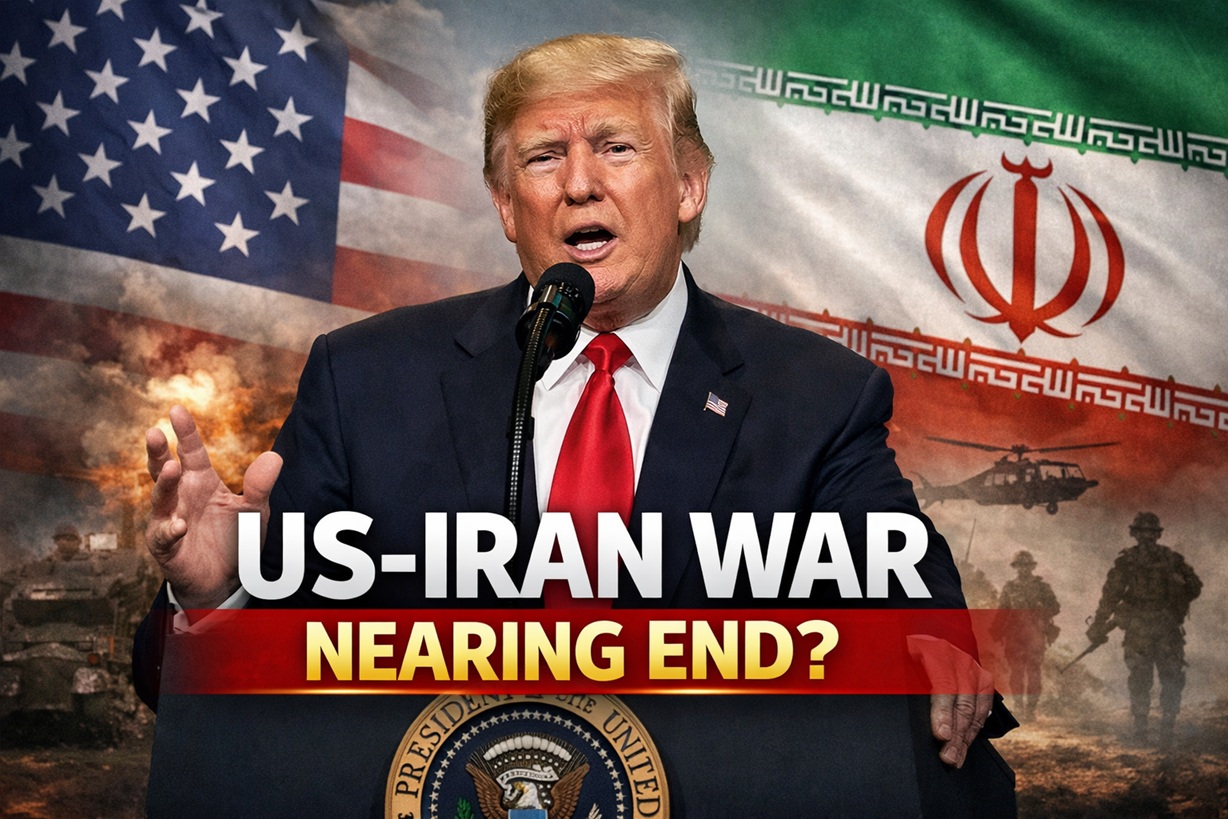
The Middle East ceasefire announced by Donald Trump between Iran and the United States after 40 days of escalating conflict is already under strain, with renewed strikes involving Israel raising doubts about its durability. The temporary truce, reportedly based on multiple proposals, has triggered global concern, including in India, over its sustainability and geopolitical fallout.
Middle East ceasefire: What triggered the pause?
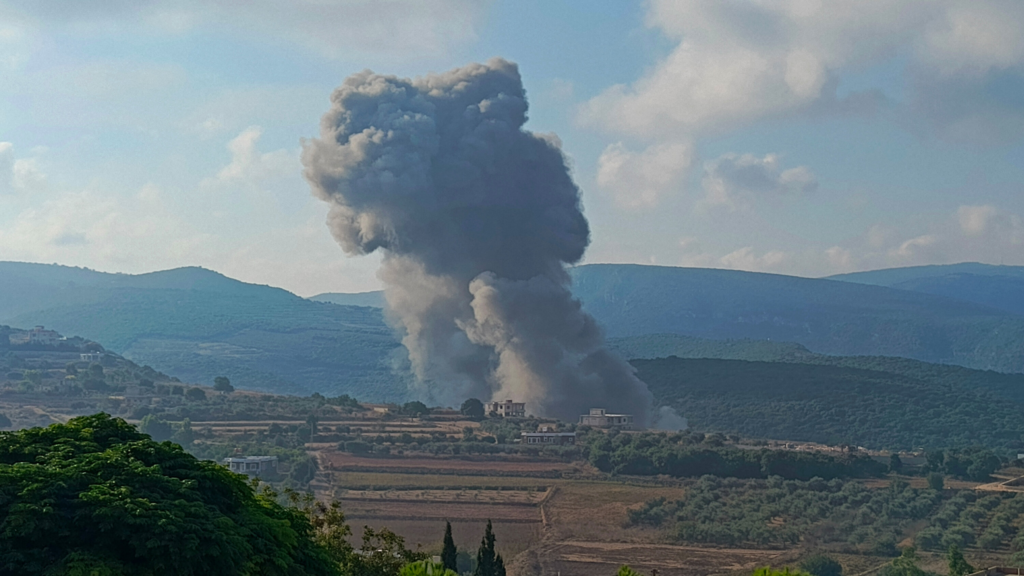
The ceasefire comes after weeks of intense military exchanges that destabilised the region and disrupted global markets. According to statements attributed to the US administration, the truce hinges on Iran’s assurance to keep the strategically critical Strait of Hormuz open.
This narrow waterway carries nearly a fifth of the world’s oil supply, making its security a top priority for global economies, including India.
However, despite the announcement, fresh military actions—particularly Israeli strikes—have cast a shadow over the agreement, highlighting deep divisions among stakeholders.
Why the Middle East ceasefire looks fragile
Exclusion of key players
Analysts point out that the ceasefire negotiations largely involved the US and Iran, with limited participation from regional actors such as Israel and Gulf nations.
- Israel has reportedly continued military operations
- Gulf countries remain cautious observers
- Multiple proposals (10–30 points) indicate lack of consensus
This fragmented approach weakens enforcement and raises the risk of violations.
Conflicting claims and narratives
Both sides have projected contrasting outcomes:
- Iran claims strategic victory and leverage over Hormuz
- The US frames the ceasefire as a diplomatic breakthrough
- Global perception remains divided
Such conflicting narratives often undermine long-term peace efforts.
India’s response to the Middle East ceasefire
India has adopted a cautious stance. While officially welcoming diplomatic efforts, the government has simultaneously issued advisories urging Indian nationals in Iran to return.
Key concerns for India
- Energy security linked to Hormuz stability
- Safety of Indian citizens in conflict zones
- Broader geopolitical instability affecting trade
India has consistently called for dialogue and de-escalation, aligning with its strategic interest in regional stability.
Global reactions and geopolitical stakes
Major powers including China, Russia, and European nations have stressed the importance of keeping international waterways open under global law.
Key global priorities
- Free navigation in Hormuz and Bab-el-Mandeb
- Avoid escalation into a wider regional war
- Prevent disruption of global oil supply chains
China, in particular, has emphasised adherence to international norms, subtly countering unilateral US actions.
Economic impact of the Middle East ceasefire
The conflict and subsequent ceasefire have already influenced global markets:
| Sector | Impact |
| Oil Prices | Volatility due to Hormuz risk |
| Stock Markets | Sharp fluctuations during conflict |
| Gold | Safe-haven demand surged |
Reports suggest the US incurred massive expenditure during the conflict phase, while Iran faced significant infrastructure damage.
Underlying tensions remain unresolved
Despite the temporary halt in hostilities, core issues persist:
- Iran’s nuclear programme
- Missile development concerns
- Support for regional militant groups
While the US claims Iran has agreed to curb such activities, independent verification remains unclear.
Middle East ceasefire: A pause, not peace
Experts describe the current situation as a “pause button” rather than a resolution. The absence of a comprehensive, inclusive agreement means tensions could reignite at any moment.
The involvement of multiple actors with competing interests further complicates the path to lasting peace.
What lies ahead for the Middle East ceasefire
The Middle East ceasefire offers temporary relief but falls short of ensuring long-term stability. With continued military actions, unresolved strategic disputes, and competing geopolitical narratives, the truce remains fragile.
For India and the global community, the focus will remain on ensuring uninterrupted energy flows and preventing escalation. The coming weeks will be crucial in determining whether this ceasefire evolves into meaningful diplomacy or collapses into renewed conflict.
FAQs: Middle East ceasefire explained
Q: What is the Middle East ceasefire about?
A: It is a temporary truce between the US and Iran aimed at halting military escalation.
Q: Why is the Strait of Hormuz important?
A: It is a key global oil transit route critical for energy security worldwide.
Q: Why is the ceasefire considered fragile?
A: Ongoing strikes and lack of involvement of all regional players weaken its effectiveness.
Q: What is India’s stance on the ceasefire?
A: India supports diplomacy but has issued advisories due to safety concerns.
Q: Will the ceasefire lead to long-term peace?
A: Uncertain—core geopolitical tensions remain unresolved.
References
- Financial Times – “Middle East ceasefire under pressure over Israeli strikes on Lebanon”
https://www.ft.com/content/d43ae1d7-4df4-465c-afe1-418b168e3ae8 - BBC News – “Israel strikes southern Lebanon after US‑Iran ceasefire”
https://www.bbc.com/news/articles/c0j6d538l6qo - The New York Times – “Israel Escalates Attacks on Lebanon as Iran Cease‑Fire Takes Hold”
https://www.nytimes.com/2026/04/08/world/middleeast/iran-ceasefire-lebanon-israel-hezbollah.html - Euronews – “Israel strikes Beirut without warning, saying Iran ceasefire does not apply to Lebanon”
https://www.euronews.com/2026/04/08/israel-strikes-beirut-without-warning-saying-iran-ceasefire-does-not-apply-to-lebanon - YouTube – Al Jazeera – “Israel launches ‘unprecedented’ assault on Lebanon amid US‑Iran ceasefire”
- https://www.youtube.com/watch?v=03M1eoUdU88
- YouTube – Hindustan Times – “Iran Issues Fresh Missile Warning For Israel Amid Ceasefire As Bibi Continues Lebanon Attacks”
https://www.youtube.com/watch?v=7BOpXVnZPbA