 Digital Team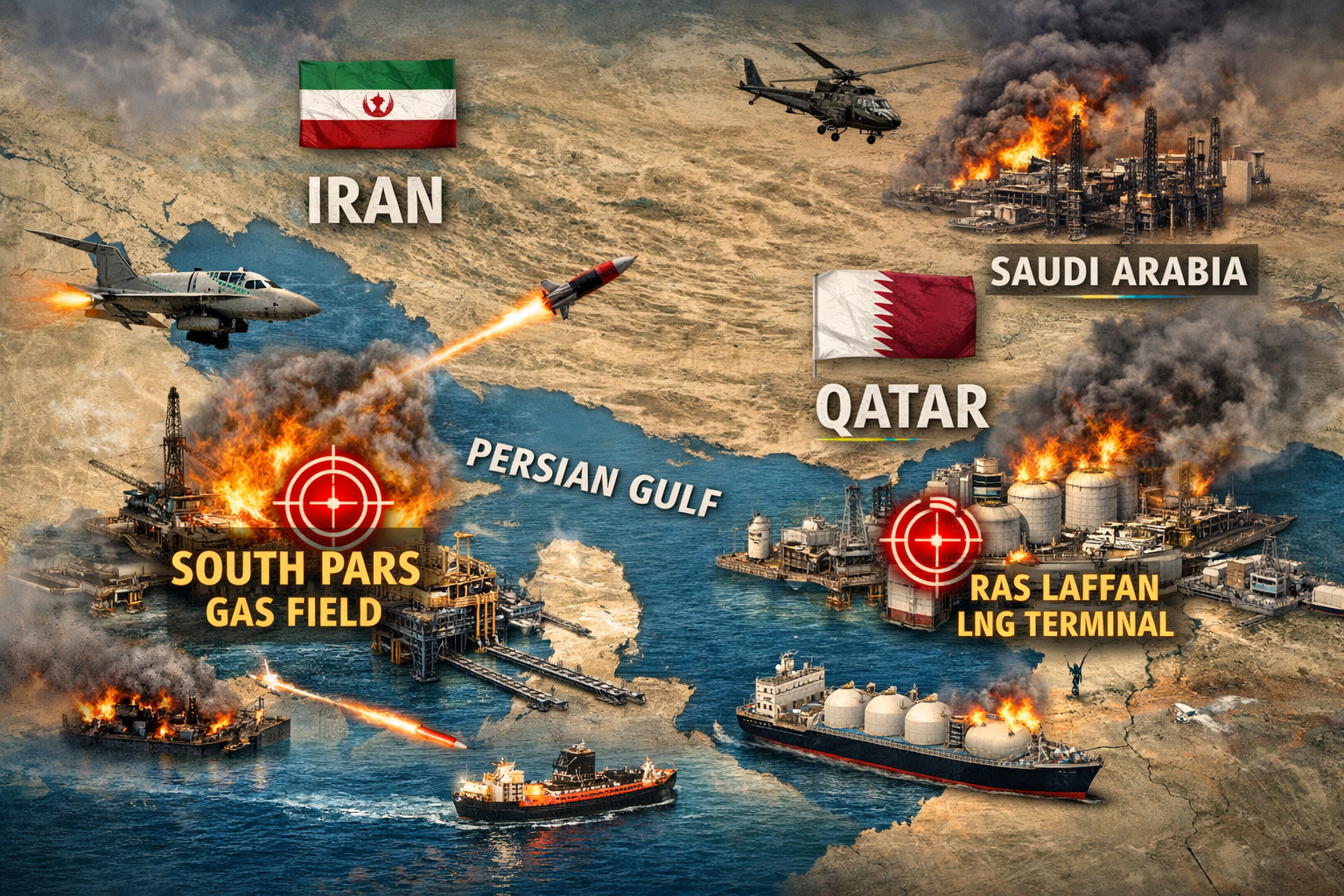
Strike on South Pars escalates West Asia conflict; India faces LNG supply risk
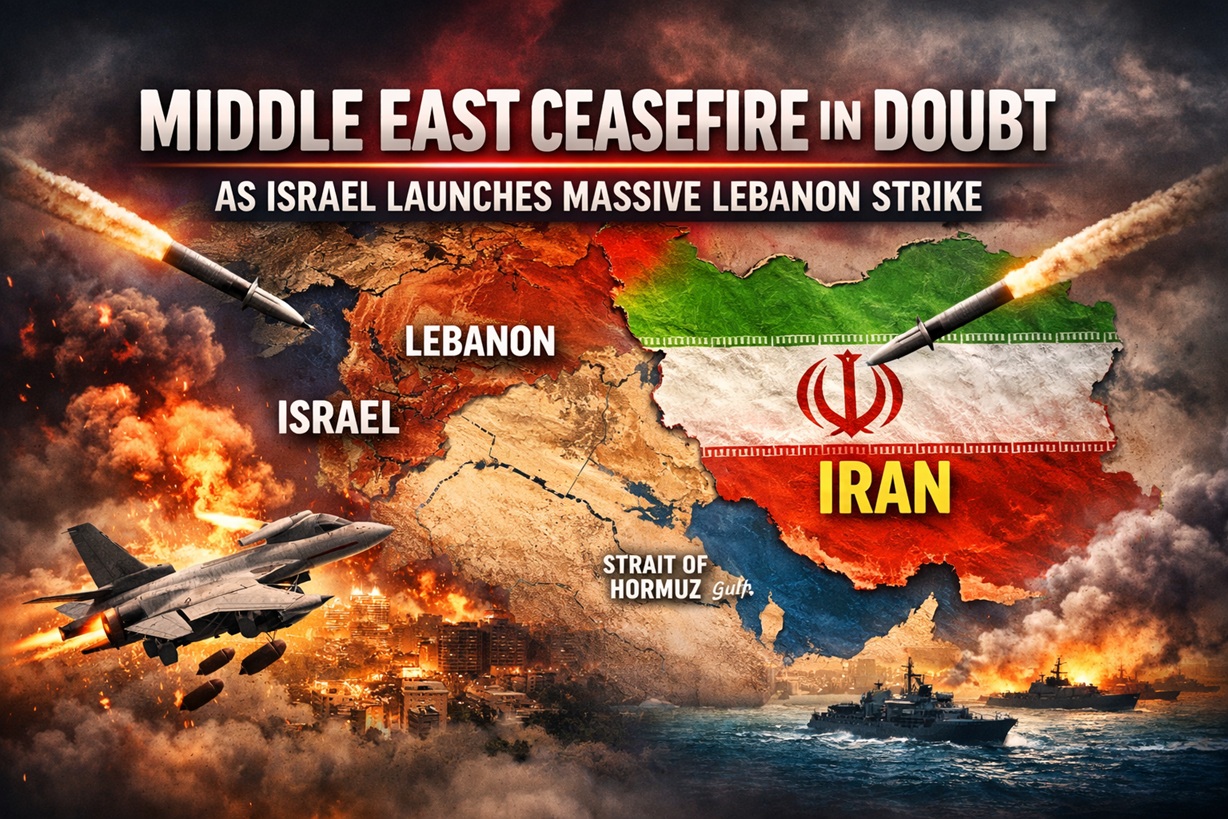
The Israel Iran gas field attack marks a major escalation in the West Asia conflict, with Israel reportedly striking Iran’s South Pars gas field—the world’s largest natural gas reserve—triggering retaliatory attacks by Iran on Qatar’s LNG infrastructure. The development threatens global energy stability and raises concerns over India’s gas imports, as nearly 40% of its LNG supply comes from Qatar.
Israel Iran Gas Field Attack: What Happened?
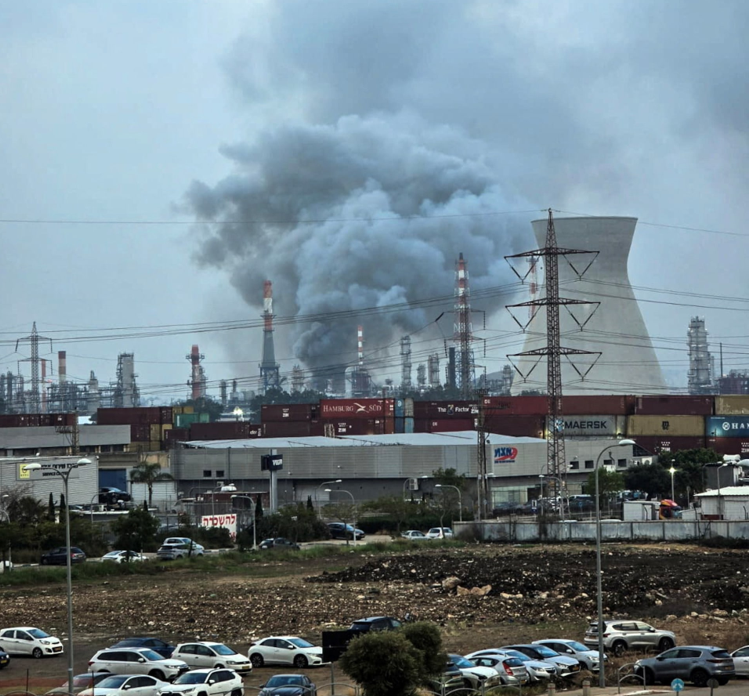
The conflict entered a dangerous new phase after Israel targeted South Pars, a massive offshore gas field shared by Iran and Qatar in the Persian Gulf. While Israel has not officially confirmed the strike, initial reports indicate partial damage to key energy infrastructure.
South Pars accounts for nearly 70% of Iran’s total gas production, making it the backbone of its energy economy. The strike is widely seen as a strategic move to pressure Iran amid rising regional tensions.
However, the fallout was immediate.
Iran retaliated by targeting Ras Laffan, Qatar’s largest LNG processing hub, which handles exports from the North Field—the Qatari extension of the same gas reserve.
Why South Pars Matters to the World
South Pars is not just another energy asset—it is the largest natural gas field globally, with reserves capable of powering the planet for over a decade.
Key Facts About South Pars / North Field
| Parameter | Details |
| Location | Persian Gulf (shared by Iran & Qatar) |
| Global Rank | Largest gas field in the world |
| Iran’s Dependence | ~70% of gas production |
| Qatar’s LNG Exports | Major global supplier |
| Strategic Importance | Backbone of global LNG supply |
The shared nature of this field makes any military strike inherently international in impact, drawing multiple countries into the crisis.
Iran’s Retaliation and Regional Fallout
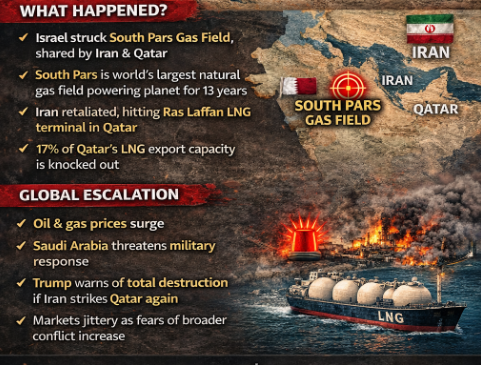
Iran’s counterstrike on Ras Laffan has reportedly crippled around 17% of Qatar’s LNG export capacity, sending shockwaves through global energy markets.
The escalation did not stop there:
- Saudi Arabia reported attacks on an Aramco facility
- Riyadh has warned of possible military retaliation
- Iran signalled further strikes if its infrastructure is targeted again
- The United States has issued strong warnings against further escalation
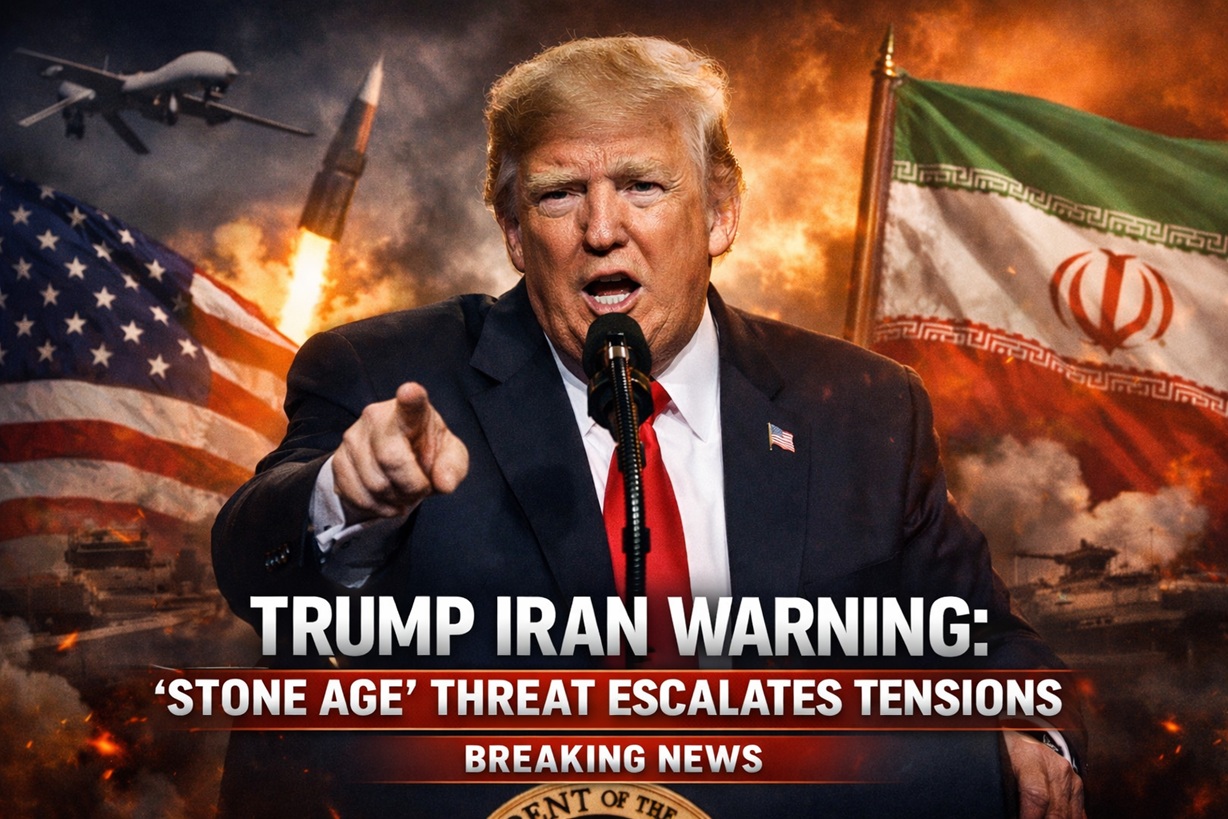
Former US President Donald Trump reportedly warned that any further Iranian attack on Qatar could lead to a complete destruction of South Pars.
Global Energy Markets React
The Israel Iran gas field attack has already triggered volatility in oil and gas markets:
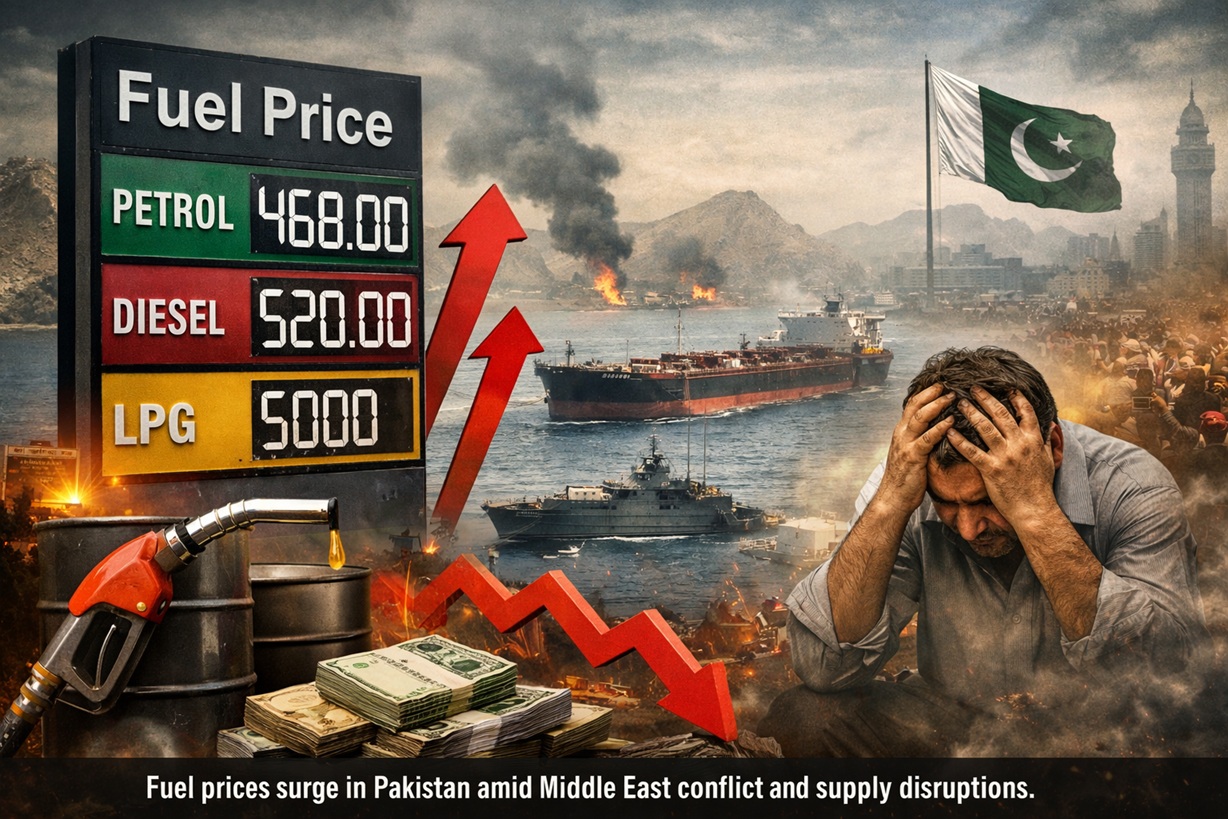
- Crude oil prices surged sharply
- LNG prices spiked amid supply fears
- Shipping disruptions intensified near the Strait of Hormuz
- Insurance costs for tankers increased
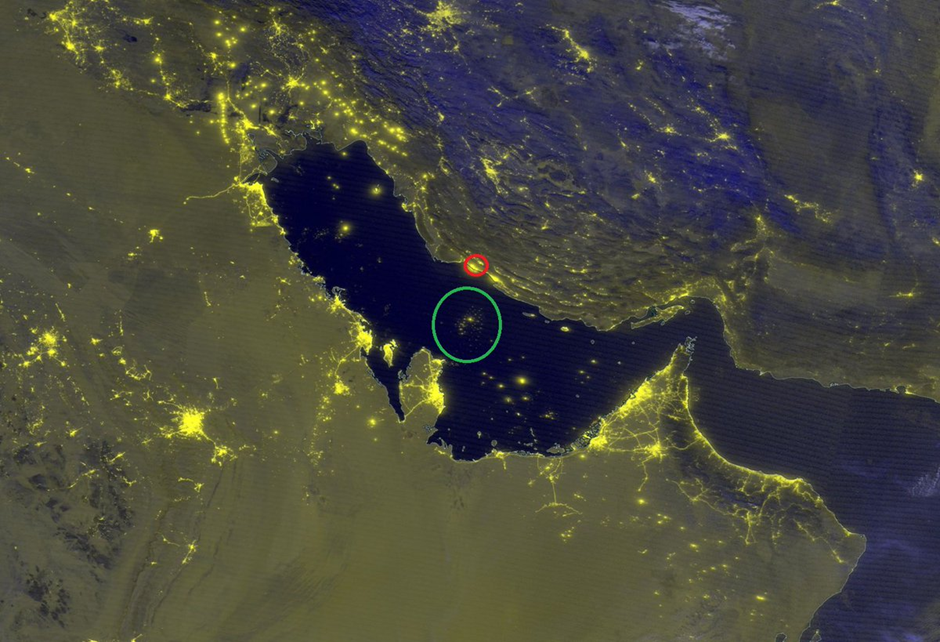
Energy analysts warn that targeting production infrastructure—not just transport routes—marks a dangerous shift.
India in the Direct Line of Impact
India faces significant risks due to its heavy dependence on Qatari LNG.
India’s LNG Dependence on Qatar
- Total LNG imports (FY last year): ~27 million tonnes
- Imports from Qatar: ~11.2 million tonnes
- Share: ~40% of total LNG imports
Most of this supply is processed at Ras Laffan, the very facility hit in the Iranian strikes.
What This Means for India
- Higher energy costs for industries and households
- Potential gas shortages if disruptions persist
- Pressure on fertiliser and power sectors
- Increased import bills and inflation risks
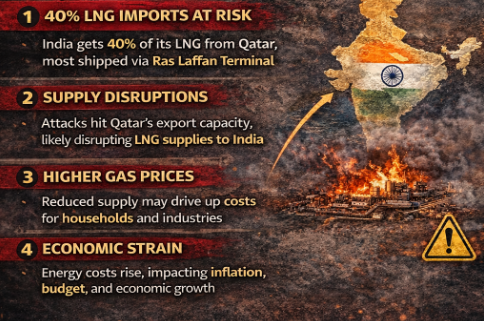
Even before the strike, shipments were delayed due to congestion near the Strait of Hormuz. Now, the crisis has shifted from logistics to actual production disruption.
A New Kind of Warfare: Energy Infrastructure as Target
Experts say the conflict signals a shift toward energy warfare, where critical infrastructure becomes a direct military target.
Why This Is Dangerous
- Disrupts global supply chains
- Impacts multiple economies simultaneously
- Raises risk of prolonged energy crisis
- Escalates geopolitical tensions rapidly
Unlike traditional conflicts, attacks on energy hubs have immediate global economic consequences.
What Happens Next?
The situation remains highly volatile, with multiple flashpoints:
- Potential Saudi military response
- Further Iranian retaliatory strikes
- Increased US involvement
- Continued market instability
Diplomatic efforts may intensify, but the risk of escalation remains high.
Conclusion: Israel Iran Gas Field Attack Raises Global Stakes
The Israel Iran gas field attack has transformed a regional conflict into a global economic threat, with energy infrastructure now at the centre of warfare. For India, the risks are immediate—ranging from supply disruptions to rising costs.
If tensions escalate further, the crisis could trigger a prolonged global energy shock, making this one of the most consequential developments in recent geopolitical history.
FAQs
Q1: What is the South Pars gas field?
South Pars is the world’s largest natural gas field, shared between Iran and Qatar in the Persian Gulf.
Q2: Why is the Israel Iran gas field attack significant?
It targets critical energy infrastructure, impacting global gas supply and escalating regional conflict.
Q3: How does this affect India?
India imports about 40% of its LNG from Qatar, making it vulnerable to supply disruptions.
Q4: What is Ras Laffan?
Ras Laffan is Qatar’s main LNG processing and export hub.
Q5: Could this lead to a global energy crisis?
Yes, prolonged disruptions could spike prices and affect multiple economies worldwide.
References
- Israel and Iran attack gas facilities in a major escalation that rattles markets (NPR, Mar 19, 2026) – Covers Trump’s comments on the strikes.
- Why are Iran’s South Pars gasfield, Qatar’s Ras Laffan, so significant? (Al Jazeera, Mar 19, 2026) – Explains the fields’ role in escalation.
- Iran War LIVE: Tehran Intensifies Strikes On Gulf Energy Facilities After Israel Hits Iranian Gas Field (NDTV, Mar 18, 2026) – Live updates on regional strikes.
- Iran-Israel war hits global energy as gas fields and LNG… (India Today, Mar 18, 2026) – Details fires at South Pars.
- How Iran’s strikes on Qatar’s Ras Laffan… impacts India (Times of India, Mar 19, 2026) – Notes rising costs and rupee pressure for India.
- Iran war: Why Ras Laffan and South Pars attacks compound India’s worries (Indian Express, Mar 19, 2026) – Focuses on India’s LNG dependency.
- Iran war enters dangerous phase. It’s not about military… (India Today, Mar 18, 2026) – Highlights 80-85% of India’s LPG from affected regions.