 Digital Team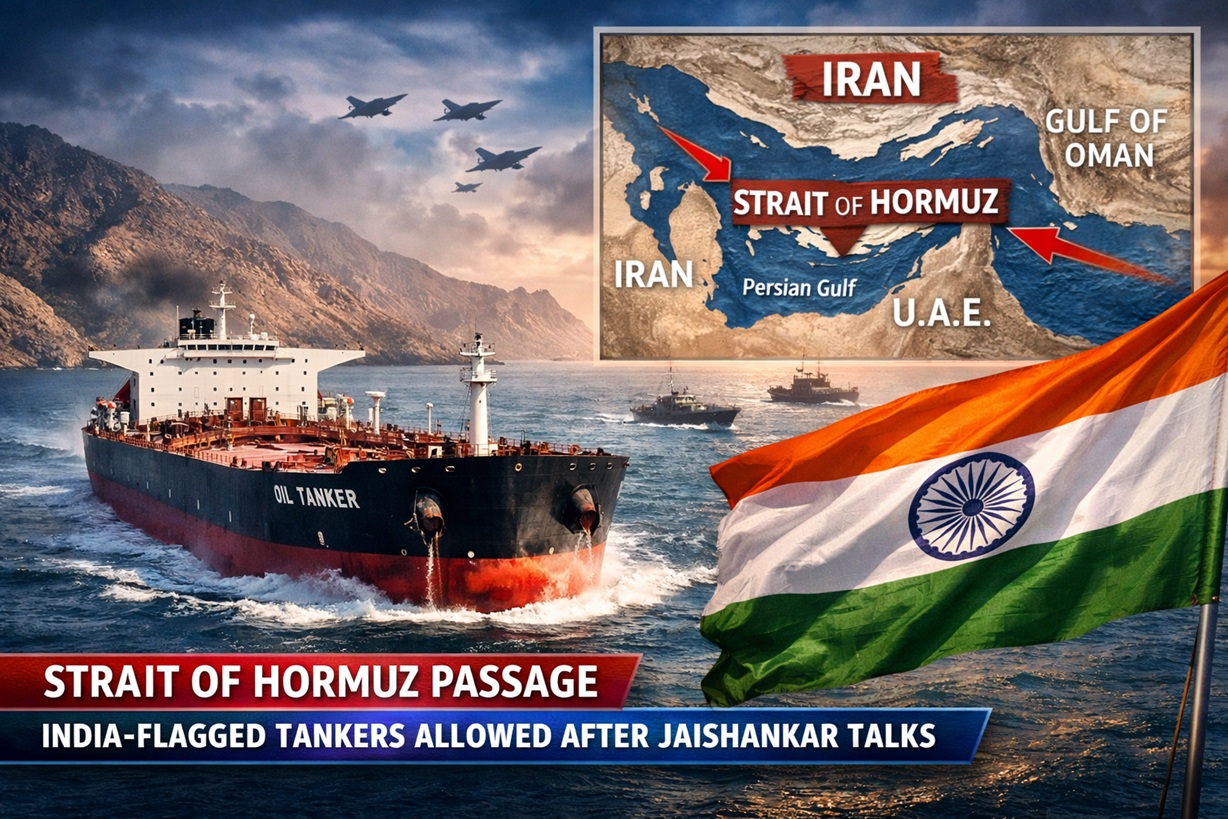
India’s energy security gets relief as Iran permits Indian tankers through Strait of Hormuz after diplomatic talks between EAM S. Jaishankar and Iranian FM Abbas Araghchi
In a crucial diplomatic development, India-flagged tankers have been allowed to pass through the Strait of Hormuz after discussions between External Affairs Minister S. Jaishankar and Iranian Foreign Minister Abbas Araghchi. The decision comes amid heightened tensions in West Asia and disruptions to global shipping following attacks on Iran by the US and Israel, raising concerns over India’s energy security.
Strait of Hormuz Tanker Passage: India Secures Safe Route for Energy Supplies
Diplomatic engagement between New Delhi and Tehran appears to have eased immediate concerns over energy shipments.
According to sources familiar with the development, two India-flagged tankers — Pushpak and Parimal — have been permitted to transit safely through the Strait of Hormuz, one of the world’s most critical maritime energy corridors.
The discussions reportedly took place during a phone conversation between Jaishankar and Araghchi on March 10, where the safe navigation of commercial tankers was a key focus.
Officials said this was their third diplomatic exchange since hostilities escalated in West Asia, highlighting India’s proactive diplomacy in protecting vital energy supply routes.
India-Bound Tanker Reaches Mumbai After Crossing Hormuz
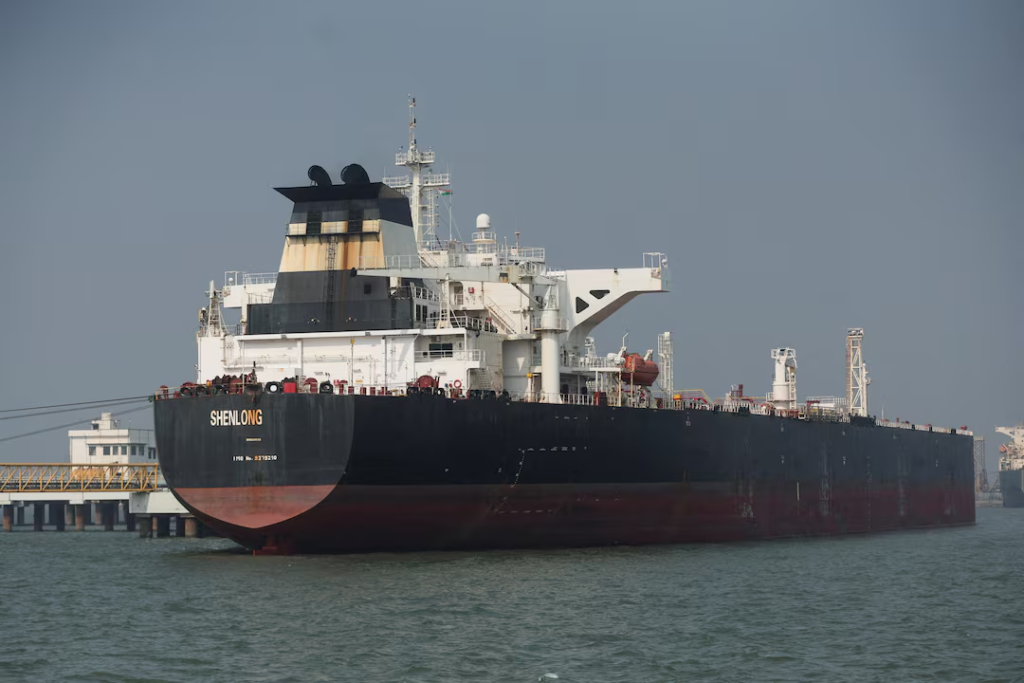
In a parallel development that reassured policymakers in New Delhi, a crude oil tanker successfully reached Mumbai after passing through the Strait of Hormuz.
The Liberian-flagged tanker “Shenlong Suezmax”, commanded by an Indian captain, transported Saudi crude oil to India. It became the first India-bound tanker to safely transit the route after maritime traffic slowed following US and Israeli strikes on Iran.
The vessel had loaded crude from Ras Tanura on March 1 before departing two days later.
Maritime tracking data from industry sources showed the tanker passing through the Strait on March 8 before continuing its voyage to India.
Its successful journey has partially eased concerns over disruptions to India’s oil supply chain.
Why the Strait of Hormuz Matters for India’s Energy Security
The Strait of Hormuz tanker passage is crucial for India because a significant share of the country’s energy imports pass through this narrow maritime corridor.
Key facts about the route:
| Indicator | Details |
| Share of India’s crude imports via Hormuz | Over 50% |
| Global oil trade passing through | Around 20% |
| Width of navigable shipping lane | Approx. 2 miles each direction |
For India — the world’s third-largest oil consumer — maintaining open sea lanes is critical for energy stability and economic security.
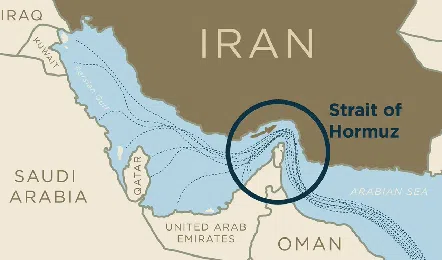
Government officials say any prolonged disruption in the strait could trigger price spikes and supply uncertainty.
Indian Ships Move to Safer Waters
Even as some tankers transit the route successfully, the situation remains sensitive.
According to India’s Directorate General of Shipping, at least 28 Indian-flagged vessels have been operating in or near the Strait of Hormuz since tensions escalated.
Authorities confirmed that eight vessels positioned east of the strait were moved to safer waters.
Ships that moved into the Arabian Sea include:
- Desh Mahima
- Desh Abhiman
- Swarna Kamal
- Vishva Prerna
- Jag Viraat
- Jag Lokesh
- LNGC Aseem
Another vessel, Jag Lakshya, has continued sailing towards Angola.
Shipping authorities continue to monitor the region closely.
Security Risks Persist in the Gulf Region
Despite diplomatic progress, the security environment around the Strait of Hormuz remains volatile.
On March 11, a Thai-flagged cargo vessel — Mayuree Naree — reportedly came under attack shortly after departing Khalifa Port in the United Arab Emirates.
The vessel was travelling toward Kandla Port when the incident occurred.
Maritime authorities say such incidents underscore the persistent risk to shipping lanes in the Gulf region.
India Monitoring 9,000 Nationals in Iran
India is also tracking the safety of its citizens amid the regional conflict.
According to the Ministry of External Affairs, around 9,000 Indian nationals currently remain in Iran.
These include:
- Students
- Seafarers
- Professionals
- Businesspersons
- Pilgrims
Many students have already returned to India, while others have been relocated to safer areas within Iran.
Indian authorities are assisting those who wish to leave through land routes to Azerbaijan and Armenia, where they can take commercial flights home.
India Allows Iranian Ships to Dock
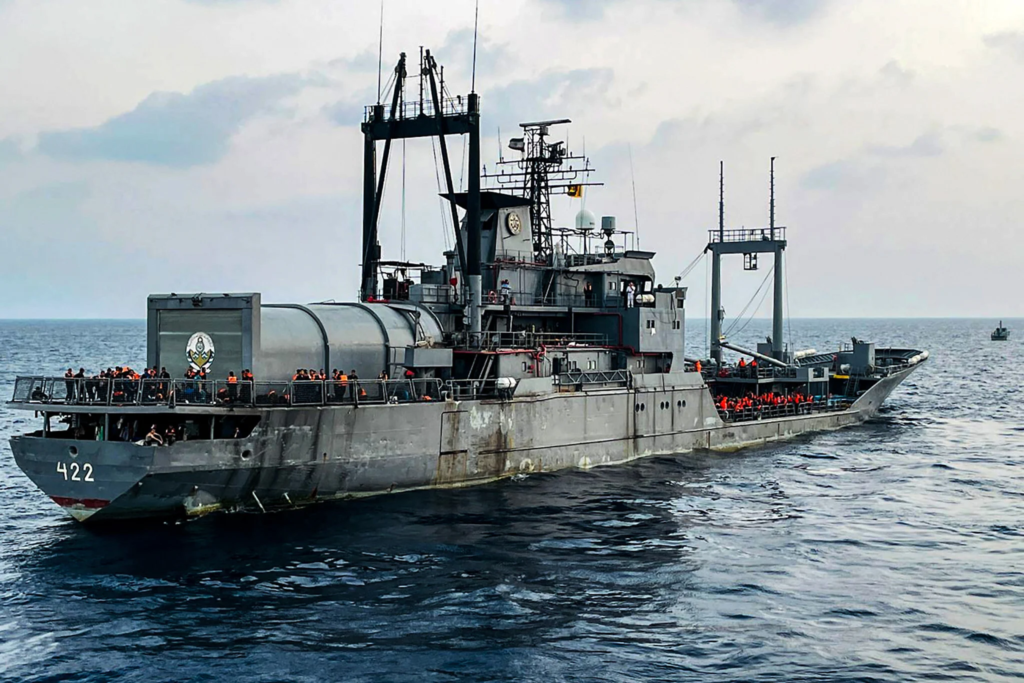
In another sign of diplomatic engagement, India permitted three Iranian vessels to dock at Indian ports.
One ship — IRIS LAVAN — docked at Kochi on March 4 after Iran requested permission for port access.
Jaishankar later described the move as a “humane gesture”, noting that Tehran had conveyed its appreciation.
The decision came shortly after the sinking of the Iranian frigate IRIS Dena in an attack reportedly involving a US submarine near Sri Lanka — an incident that intensified tensions across the region.
What This Means for Global Oil Markets
The Strait of Hormuz tanker passage remains one of the most sensitive pressure points in global energy trade.
Experts say India’s diplomatic engagement with Iran may help:
- Prevent immediate disruptions to oil shipments
- Stabilise supply chains for Indian refiners
- Avoid sharp fuel price spikes
- Maintain strategic energy reserves
However, analysts caution that continued conflict in West Asia could still threaten maritime traffic.
Conclusion
The safe Strait of Hormuz tanker passage for India-flagged ships highlights the role of diplomacy in protecting critical energy routes amid geopolitical tensions. While talks between India and Iran have ensured temporary relief for oil shipments, the situation in the Gulf remains fragile. New Delhi is likely to continue closely monitoring maritime developments while strengthening diplomatic engagement to safeguard India’s energy security.
FAQ
Q1: Why is the Strait of Hormuz important for India?
Over 50% of India’s crude oil imports pass through the Strait of Hormuz, making it vital for the country’s energy security.
Q2: Which Indian tankers were allowed to pass through the Strait of Hormuz?
India-flagged tankers Pushpak and Parimal were permitted to safely transit the strategic waterway.
Q3: Which tanker recently reached India after crossing the strait?
The tanker Shenlong Suezmax, carrying Saudi crude oil, successfully reached Mumbai Port.
Q4: How many Indian ships are currently near the Strait of Hormuz?
According to shipping authorities, 28 Indian-flagged vessels have been operating in or around the region.
Q5: How many Indians are currently in Iran?
The Ministry of External Affairs estimates around 9,000 Indian nationals remain in Iran.
References