 Digital Team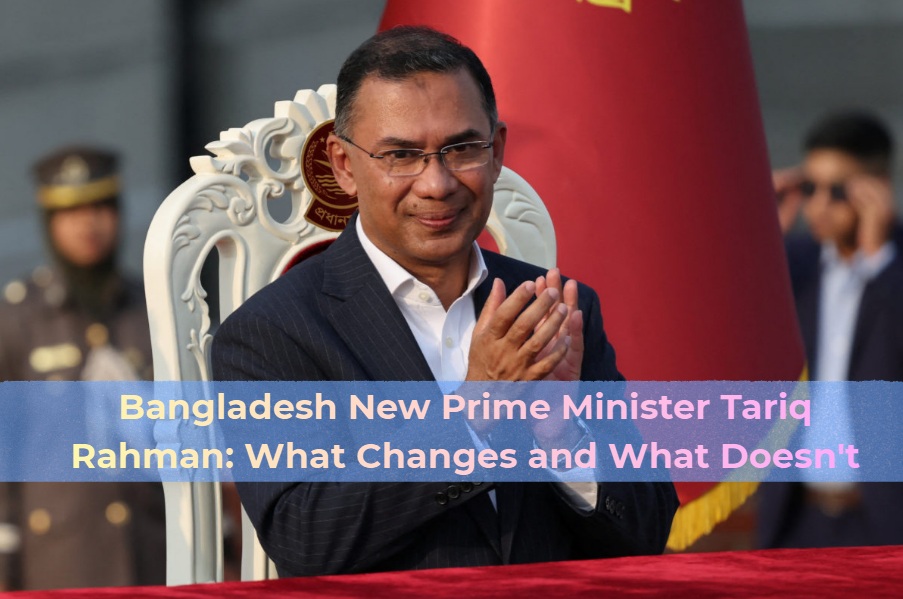
BNP’s election win signals a political reset, and India is already playing it carefully
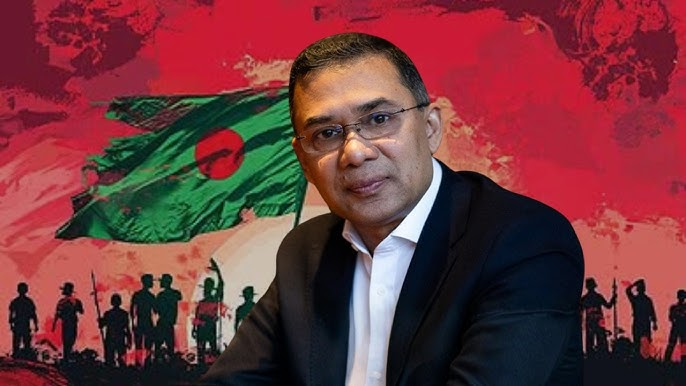
When Tariq Rahman took his oath as Bangladesh’s Prime Minister this Tuesday, it wasn’t just a ceremonial moment — it was the punctuation mark at the end of a long, turbulent sentence in the country’s political history.
The Bangladesh Nationalist Party’s electoral win has brought Rahman to power after what many Bangladeshis describe as an exhausting stretch of unrest, an interim government, and the controversial exit of former Prime Minister Sheikh Hasina. For millions watching the ceremony in Dhaka, it felt less like a revolution and more like a long-overdue exhale.
India Sends a Signal Without Saying Much
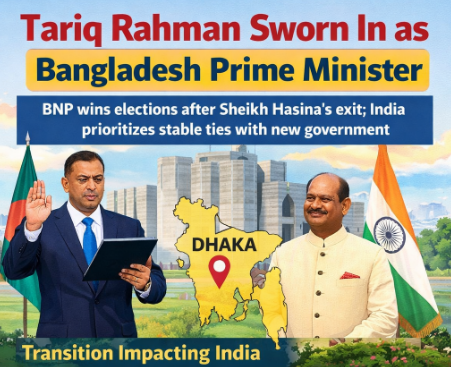
New Delhi’s choice to send Lok Sabha Speaker Om Birla to the swearing-in ceremony said everything without saying anything at all. India didn’t send a senior minister, but it didn’t stay home either. Foreign policy analysts read this as classic Indian diplomatic hedging — present enough to show goodwill, measured enough to not overcommit.
It’s a delicate situation. Sheikh Hasina, Rahman’s political rival and the woman whose government preceded this one, is currently living in India. BNP leaders have been careful to say her presence there “will not become an obstacle” in bilateral ties — a reassurance that India clearly needed to hear before warming up to the new administration.
The two countries share too much to let political transitions derail things. Bilateral trade exceeds $15 billion annually, there’s meaningful security cooperation along India’s northeastern corridor, and cross-border connectivity — rail, road, rivers — keeps both economies linked in practical, everyday ways. Neither side can afford a cold shoulder.
The Yunus Interlude and Its Controversies
Before Rahman’s election, Muhammad Yunus led an interim government that was supposed to be a stabilising bridge. It turned into something more contentious.
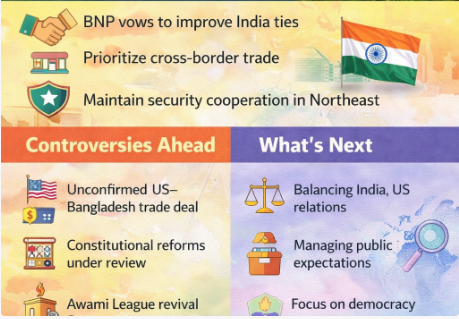
Reports from Bangladeshi media allege that Yunus’ administration quietly entered into a trade arrangement with the United States that critics say came at the cost of Bangladesh’s economic independence. The alleged terms — quota-based zero tariffs tied to American cotton, a potential 19% levy on certain garments, and restrictions on independent trade negotiations — haven’t been officially confirmed. But the speculation has been enough to fuel political anxiety in a country where the garment industry is the backbone of the entire economy.
Yunus also pushed for significant constitutional changes during his tenure, including the creation of an upper house and a “July Charter” referendum. BNP rejected these outright, with party leaders making clear that constitutional amendments would go through Parliament — the normal way — not through reform councils or experimental governance frameworks.
Rahman’s team is framing this as a restoration of institutional order, not a reactionary rollback.
Could Hasina Return?
Here’s where things get interesting. Awami League offices that were attacked during last year’s unrest have reportedly been renovated. Posters of Sheikh Hasina have quietly reappeared in parts of Dhaka. And legal cases filed against her during the Yunus period may come under review now that a new government is in place.
Nobody is officially predicting a Hasina comeback. But the signs are being noticed.
The Bigger Geopolitical Picture
Bangladesh punches above its weight geographically. Sitting at the mouth of the Bay of Bengal, with massive textile export flows to Western markets and growing Chinese infrastructure investment on its soil, Dhaka is a small country with significant strategic value.
Rahman’s government will have to walk a careful line between India, the United States, and China — three powers with competing interests and very different expectations. India wants security cooperation and trade continuity. The US wants market access and ideological alignment. China wants infrastructure contracts and regional influence.
This is the hand Tariq Rahman has been dealt. How he plays it will define not just his government, but Bangladesh’s place in an increasingly contested region.
What This Election Actually Told Us
Strip away the political noise and the Bangladesh election sent a fairly clear message: voters were tired. Tired of instability, tired of interim arrangements, tired of constitutional experiments. They wanted an elected government, full stop.
Whether Rahman’s administration delivers on that desire for normalcy — or whether Bangladesh slides back into political contestation — is the question that analysts, diplomats, and ordinary Bangladeshis will be watching closely over the coming months.
For now, Dhaka has a Prime Minister. And the region is paying attention.
Frequently Asked Questions
Who is Tariq Rahman? He is the leader of the Bangladesh Nationalist Party and newly sworn-in Prime Minister of Bangladesh.
How might this affect India-Bangladesh relations? BNP has prioritised improving ties with India, and New Delhi’s presence at the swearing-in suggests cautious engagement from both sides.
What is the controversy around the US-Bangladesh trade deal? Allegations centre on tariff conditions tied to American cotton imports and a potential 19% levy on certain textile exports, though no official confirmation exists.
Will Sheikh Hasina return to Bangladeshi politics? There are early signs of Awami League activity in Dhaka, but no official announcement has been made.
What constitutional changes were proposed under Yunus? An upper house and a referendum-based charter were proposed — both rejected by BNP in favour of standard parliamentary processes.
References