 Digital Team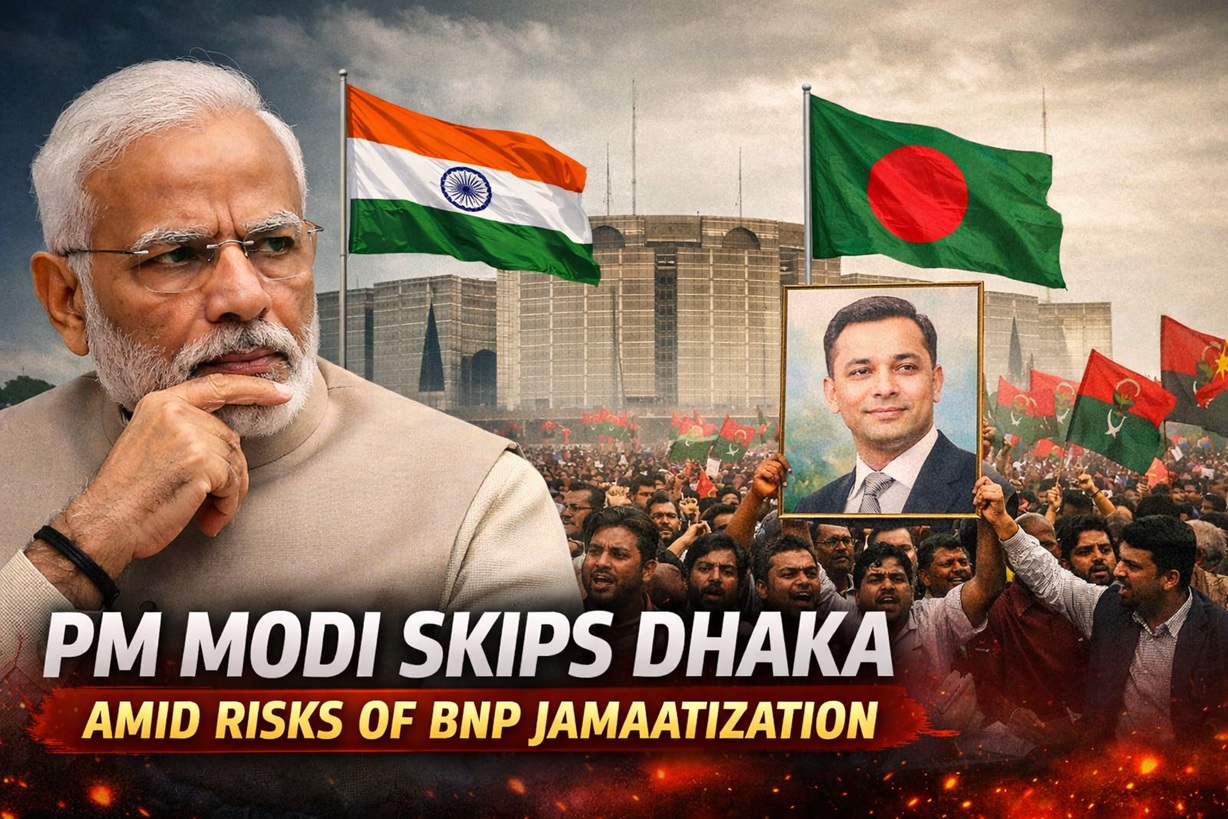
As BNP prepares to assume power in Bangladesh, debates intensify in New Delhi over whether PM Modi should visit Dhaka amid fears of “Jamaatization” within the incoming government.
Speculation is mounting that PM Modi will not go to Dhaka for the proposed oath ceremony of a BNP-led government in Bangladesh. The debate follows concerns in strategic circles about the potential “Jamaatization” of the BNP government — a reference to the possible influence of Islamist political elements in Dhaka’s new power structure. While no official announcement has been made, diplomatic caution appears to be guiding New Delhi’s approach.
Bangladesh’s Political Shift After BNP Victory
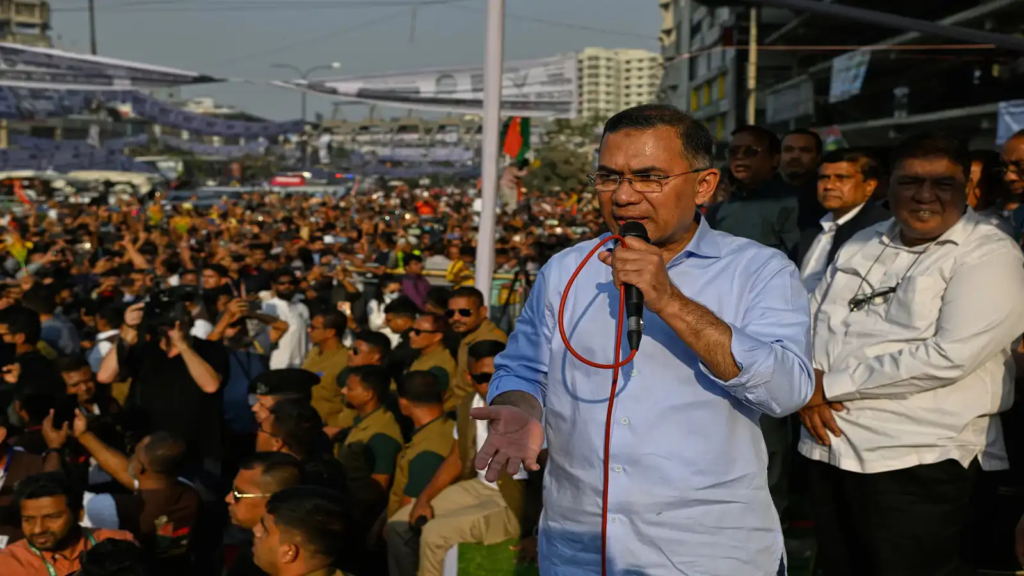
The electoral victory of the Bangladesh Nationalist Party (BNP) marks a decisive political shift in Dhaka. Acting BNP chief Tariq Rahman has emerged as the central figure in the post-election transition.
Supporters argue that the mandate reflects public demand for economic stability, governance reform, and democratic normalcy. However, critics caution that coalition arithmetic and political compulsions may shape the composition of the new administration.
PM Modi Will Not Go to Dhaka? The Diplomatic Dilemma
At the heart of the discussion is whether Narendra Modi should attend the swearing-in ceremony in Dhaka.
Diplomatic observers say New Delhi typically weighs several factors before confirming such high-profile visits:
- Composition of the new cabinet
- Signals on minority protection
- Early foreign policy moves
- Engagement with India’s strategic concerns
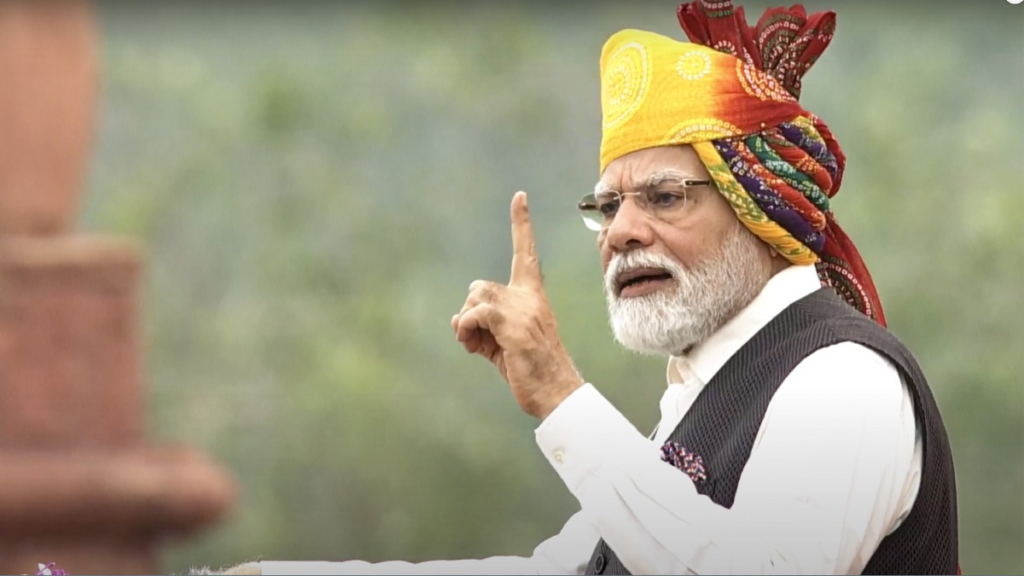
If PM Modi does not go to Dhaka, India may instead send a senior minister or diplomatic representative, a move that signals engagement without full political endorsement.
What Is Meant by “Jamaatization” of the BNP Government?
The term “Jamaatization” has resurfaced in political discourse to describe concerns that Islamist groups could gain disproportionate influence in governance structures.
Analysts suggest this apprehension stems from:
- Historical political alignments within Bangladesh
- Ideological differences between secular and Islamist parties
- Regional security sensitivities
However, there is no formal confirmation of such influence in the current political arrangement. Observers caution against premature conclusions, noting that cabinet formation and policy announcements will offer clearer insight.
Why the Dhaka Visit Matters for India
India and Bangladesh share one of South Asia’s most complex bilateral relationships.
Strategic Importance
Bangladesh shares a 4,096-kilometre border with India, making cooperation critical for:
- Northeast connectivity
- Border security management
- Counter-terror coordination
Economic Interdependence
Bilateral trade has grown steadily over the past decade. India supplies electricity to Bangladesh, while infrastructure and connectivity projects have deepened ties.
Water-Sharing Agreements
The Ganga Water Treaty and other river agreements remain key pillars of cooperation, requiring sustained political trust.
Given these stakes, any perception of ideological hardening in Dhaka could influence India’s diplomatic posture.
Domestic Expectations in Bangladesh
Ground reports indicate that Bangladeshi voters are focused on:
- Job creation
- Inflation control
- Energy security
- Infrastructure development
- Education and healthcare
Economic governance will likely determine the stability and longevity of the new administration more than ideological debates.
Balancing Strategy and Symbolism
If PM Modi will not go to Dhaka, the decision would likely reflect strategic caution rather than diplomatic rupture.
Foreign policy experts note that India often adopts a “wait and watch” approach during political transitions in neighbouring countries. High-level visits are typically aligned with:
- Clear policy alignment
- Stable coalition arrangements
- Assurances on security cooperation
In this context, the next few weeks will be critical.
What Happens Next?
Key indicators to watch include:
- The composition of the BNP-led cabinet
- Statements on minority rights
- Early diplomatic outreach to India
- Positioning on regional security and China
India’s final decision on whether PM Modi will go to Dhaka may depend on these developments.
A Calculated Pause, Not a Diplomatic Break
The speculation that PM Modi will not go to Dhaka reflects broader regional anxieties about the direction of Bangladesh’s new government. While concerns over the “Jamaatization” of the BNP government persist in some quarters, concrete policy actions will ultimately shape bilateral relations.
For now, New Delhi appears inclined toward strategic patience — monitoring developments in Dhaka before making a definitive diplomatic move.
FAQs
Q: Has PM Modi officially declined the Dhaka visit?
A: No official statement has confirmed or denied attendance yet.
Q: What does “Jamaatization” mean in this context?
A: It refers to concerns about potential influence of Islamist political elements within the BNP-led government.
Q: Why is the Dhaka visit important?
A: It would signal the level of diplomatic warmth between India and Bangladesh during a political transition.
Q: Could India send a representative instead of PM Modi?
A: Yes, India often sends senior ministers or diplomats when prime ministerial attendance is not feasible.
Q: What factors will determine India’s final decision?
A: Cabinet formation, security assurances, and early foreign policy signals from Dhaka.
References: