 Digital Team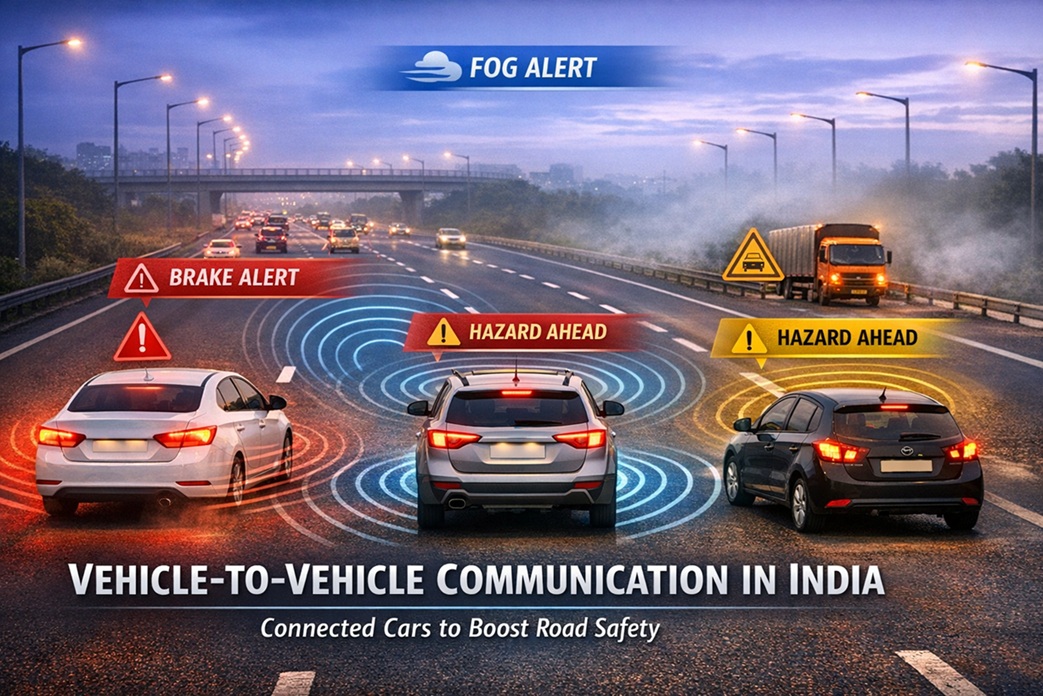
By the end of the year, India is expected to be rolling out vehicle-to-vehicle (V2V) communication in cars, a vehicle safety technology that gives drivers alerts in advance of an actual accident occurring. India is poised for a new big step in road safety and vehicle-to-vehicle communication, a policy that will be rolled out progressively by the end of the year, the government said.
The technology allows cars to “talk” to one another directly, warning drivers of sudden braking, stalled vehicles or low-visibility hazards — often seconds before the hazard is apparent. The move could save thousands of lives on India’s accident-prone roads, officials say.
What Does Vehicle-to-Vehicle Communication Look Like in India?
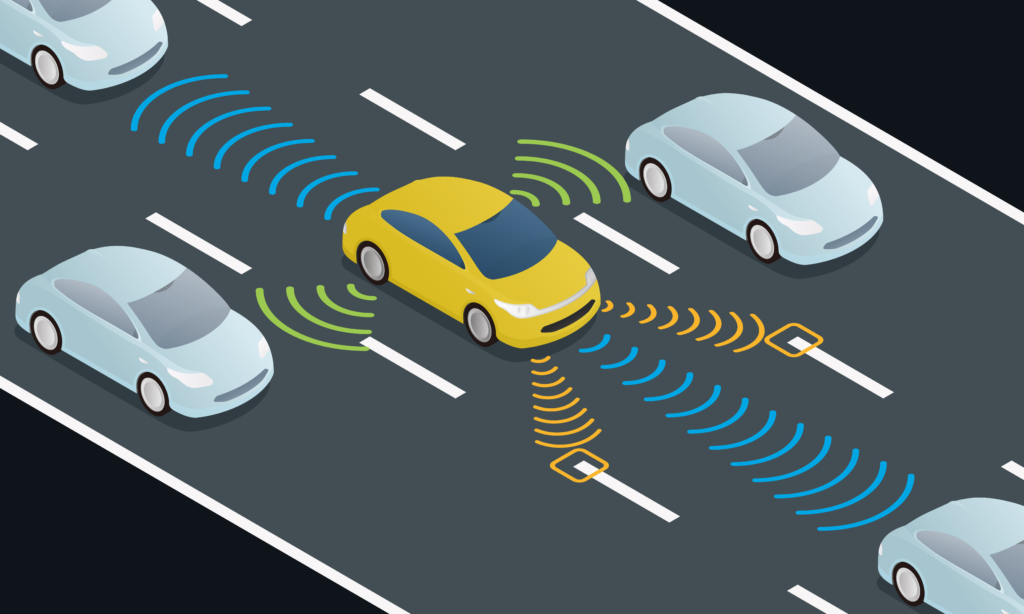
Vehicle-to-vehicle communication, also called V2V is a wireless safety system which allows nearby vehicles to exchange real-time information without any internet or mobile networks available. Unlike infotainment and navigation systems, V2V communication in India is limited exclusively to preventing accidents.
Every vehicle has a short-range communication unit that relays limited but essential information such as position, speed, direction and braking activity. As soon as the system identifies warning signals of impending collision threat, it automatically warns the driver instantly — sooner than human reflexes can help.
How V2V Safety Tech Acts on Indian Highways
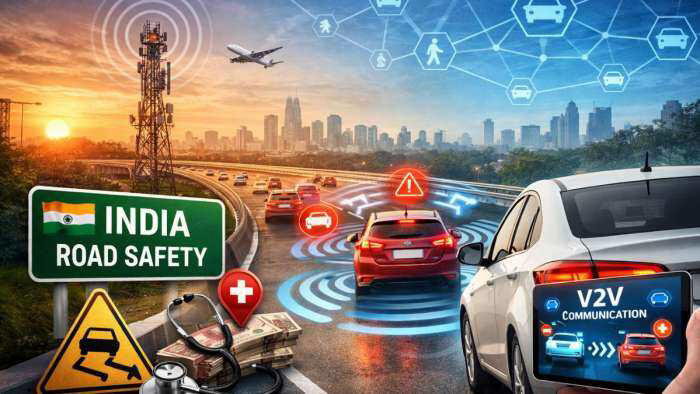
The concept behind vehicle-to-vehicle communication is straightforward, but potent: early warning equals life saving.
Functions of V2V Communication
- Sends a driver a warning if a vehicle ahead brakes suddenly in front of him.
- Alerts approaching traffic of stalled or crashed vehicles.
- Looks for vehicles in thick fog or with minimal visibility.
- Communicates threats outside of the driver’s range of view.
Crucially, V2V offers no driver-over the control of the vehicle. No steering, braking, or controlling driver’s decisions are controlled. The driver continues to have complete control – the system sends out notifications.
Why India Requires Vehicle to Vehicle Communication
India has one of the highest road fatality rates in the world. In all, official data suggest:
Over 1.7 lakh people died in road accidents in 2024, with delayed reaction time and poor visibility among the leading causes.
This has made the policy planners think: Vehicle-to-vehicle communication in India can significantly reduce manual vehicle crashes by giving drivers just a few critical seconds of time. Even a 2-second pre-warning, experts say, can be the difference between a near miss and a fatal collision.
Government Rollout Plan for V2V Technology
Government intends to implement vehicle-to-vehicle communication in India step-by-step.
Proposed Rollout Strategy
- Phase 1: Required installation — For new vehicles.
- Phase 2: Optional retrofitting for older vehicles.
- Spectrum: Radio spectrum for V2V.
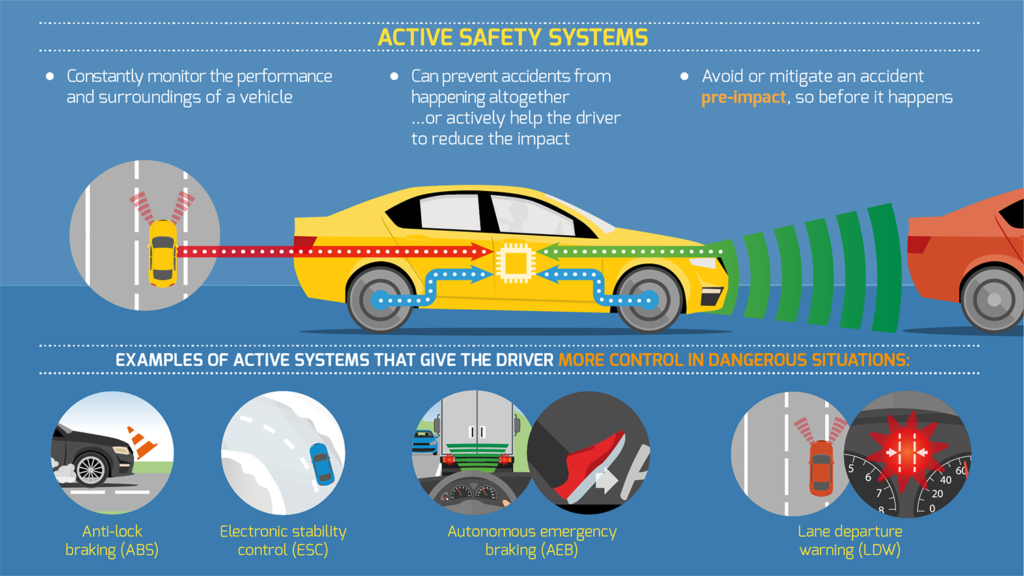
- Integration: Works in combination with other safety systems such as ABS and airbags.
The consumer final price has not been disclosed, but reports indicate that the system can add a few thousand rupees for each vehicle, representing one of the more affordable safety improvements.
International Comparisons of India in Terms of V2V Adoption
Not only in the vehicle-to-vehicle communications are India pursuing this. Many countries have pilot projects or even just limited deployments.
Countries Testing or Using V2V Technology
- Japan
- South Korea
- Germany
- China
- United States
Global trials offer positive results, particularly as regards reducing rear end collisions and fog-related accidents. But experts say these measures must be taken from the outset, and success rests on mass adoption and strong technological standards.
Difficulties of Establishing V2V Communication in India
While promising, vehicle to vehicle communication in India presents some real-world issues.
Mixed Traffic Conditions
Indian roads are a complex combination of cars, trucks, buses, two-wheelers, bicycles, and pedestrians. Two wheelers— among the most exposed groups—are currently not part of the V2V ecosystem.
Partial Adoption Risk
V2V works best when many vehicles use it. Under a combination of V2V-enabled and non-enabled vehicles will become mixed at the early stages (i.e., less effective), overall road-related performance will decrease.
Privacy & Cybersecurity Issues – Data Protection
One of the most important questions regarding vehicle-to-vehicle communication in India is on data security. While the system disseminates only some information to the public, it does communicate with automobile data transmittals from vehicle data over open roads through an intercom.
Cybersecurity professionals fear that such systems can be subject to hacking, tracking or misuse if they lack explicit controls. The government is yet to issue detailed guidelines on:
- Storage and Preservation of Data.
- Encryption standards.
- Oversight and accountability.
Industry experts contend that protections for privacy should develop along with the technology to keep public trust.
Will Using V2V Help To Reduce Accidents: A Reality Story?
Safety researchers say vehicle-to-vehicle communication doesn’t prevent crashes, but it does greatly cut the number of these types of collisions, particularly rear-end crashes and pile-ups in foggy conditions.
This technology really is best seen as a safety layer of safety that accompanies driver awareness, road engineering and enforcement and should not be replaced by anyone else.
A Quiet but Crucial Shift in Vehicle Safety
Vehicle–to–vehicle communication in India marks a shift away from car upgrading that is largely about comfort to this life-saving technique. Adopting standards and data protection, V2V could save thousands of fatalities every year.
As India gears up for a rollout, the real test will not just be in technology, but execution — how to reconcile innovation with safety, privacy and inclusion on some of the most trafficked roads in the world.
FAQs: Vehicle-to-Vehicle Communication in India
Q: What is vehicle-to-vehicle communication in India?
A: It is a safety technology that allows vehicles to exchange real-time alerts about hazards without using the internet.
Q: When will V2V technology be introduced in India?
A: The government plans a phased rollout by the end of this year, starting with new vehicles.
Q: Does V2V control the car automatically?
A: No. It only warns the driver and does not steer or brake the vehicle.
Q: Will older vehicles support V2V communication?
A: Older vehicles may be included later through optional retrofitting.
Q: Is vehicle-to-vehicle communication safe from hacking?
A: Data security standards are still being finalised, making cybersecurity a key concern.
References:
- NDTV explainer:
https://www.ndtv.com/india-news/vehicle-to-vehicle-system-in-india-soon-what-it-means-for-drivers-10536661 - Moneycontrol overview:
https://www.moneycontrol.com/automobile/vehicle-to-vehicle-communication-what-changes-on-indian-roads-by-2026-article-13764909.html - IndiaBlooms news:
https://www.indiablooms.com/news/india-to-roll-out-vehicle-to-vehicle-communication-technology-by-2026-to-boost-road-safety/details - ET Auto “talking cars” report:
https://auto.economictimes.indiatimes.com/news/auto-technology/talking-cars-revolutionize-road-safety-in-india-government-to-mandate-v2v-communication-devices/ - New Indian Express mandate story:
https://www.newindianexpress.com/nation/2026/Jan/08/government-to-mandate-v2v-communication-devices-in-vehicles-for-road-safety - Autocar Professional policy/industry piece:
https://www.autocarpro.in/news/gadkari-calls-for-v2v-rollout-automakers-to-align-on-safety-tech-130498 - Hindustan Times (business) article:
https://www.hindustantimes.com/business/nitin-gadkari-announces-vehicle-to-vehicle-tech-for-safer-indian-roads-101767950380570.html - Hindustan Times (car-bike) explainer:
https://www.hindustantimes.com/car-bike/cars-may-soon-talk-to-each-other-centre-v2v-safety-technology-101767942649294.html - Economic Times main news item:
https://economictimes.com/industry/auto/auto-news/vehicle-to-vehicle-communication-between-cars-to-soon-become-a-reality-nitin-gadkari/articleshow/