 Digital Team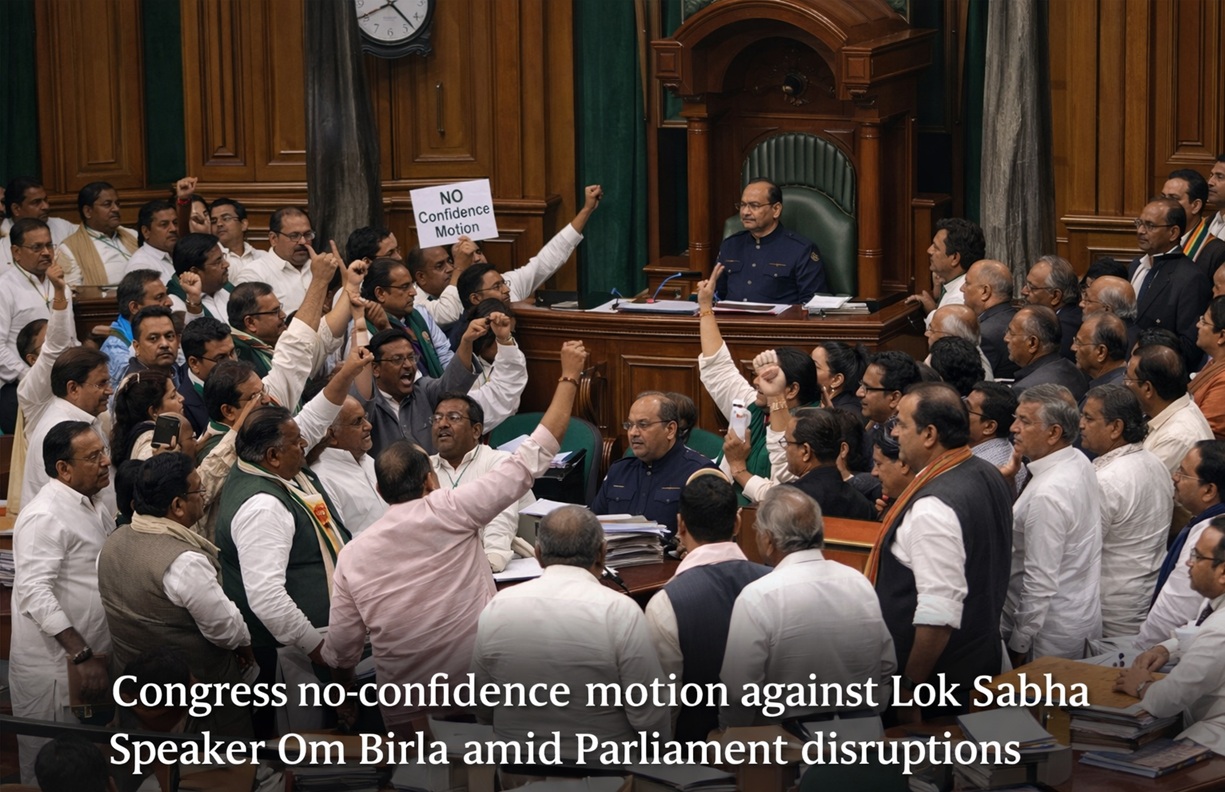
Congress no-confidence motion against Lok Sabha Speaker Om Birla was moved over alleged bias and denial of debate in Parliament. Here’s why it matters.
The Congress-led Opposition on Tuesday submitted a no-confidence motion against Om Birla, alleging partisan conduct during Lok Sabha proceedings. The move comes amid sustained protests, repeated adjournments and mounting tension in the Lower House, which was adjourned till 2 pm as sloganeering disrupted business.
Congress No-Confidence Motion Against Lok Sabha Speaker Om Birla: What Happened
The notice for the no-confidence motion was formally submitted by Opposition MPs to the Lok Sabha Secretariat during the forenoon session. Opposition leaders accused the Speaker of curtailing debate and selectively allowing interventions, charges that the Treasury benches rejected.
Proceedings were repeatedly stalled as Opposition members gathered near the Speaker’s podium, raising slogans and demanding a response. With no consensus emerging, the House was adjourned.
Why the Opposition Moved the Motion
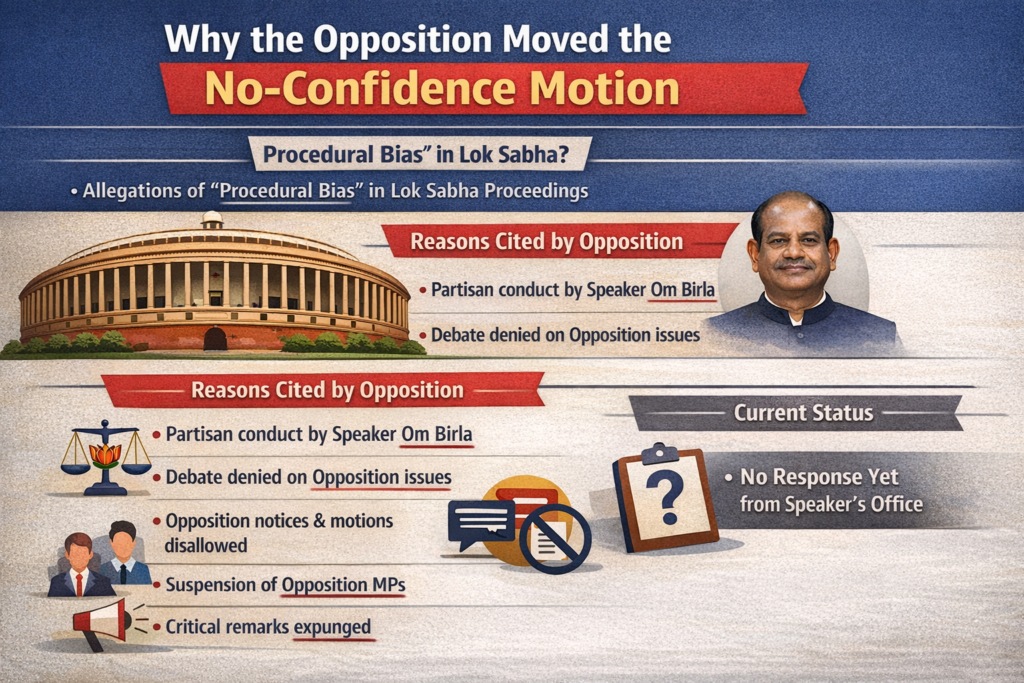
According to Opposition leaders, the decision to move a no-confidence motion reflects what they describe as a pattern of “procedural bias” in the conduct of the House. Congress MPs claimed that notices under key rules were not admitted, while government business was prioritised despite disruptions.
A senior Congress leader said the motion was meant to “defend parliamentary conventions and the rights of the Opposition.” The Speaker’s office has not issued a formal response so far.
- Alleged partisan conduct by the Speaker in favour of the ruling BJP during Lok Sabha proceedings
- Repeated denial of debate on issues raised by Congress and other Opposition parties
- Claims that Opposition notices and adjournment motions were disallowed, while government business was prioritised
- Objections to suspension of Opposition MPs during protests in the House
- Protest against expunction of remarks critical of the government from official records
- Accusation that the Speaker failed to act as a neutral constitutional authority
- Escalation of parliamentary pressure after routine procedural objections failed
- Use of the motion as a symbolic protest to put concerns about parliamentary fairness on record
- Part of a broader Opposition strategy to highlight a shrinking space for dissent and debate in Parliament
Government Rejects Allegations, Calls Move Political
The ruling alliance dismissed the motion as a political tactic aimed at derailing legislative work. Parliamentary Affairs Minister said the Speaker had “strictly adhered to rules” and accused the Opposition of using disruption as a strategy.
Government sources indicated that no-confidence motions against the Speaker are rare and carry no binding outcome unless admitted and supported by a majority—an unlikely scenario given the government’s numbers.
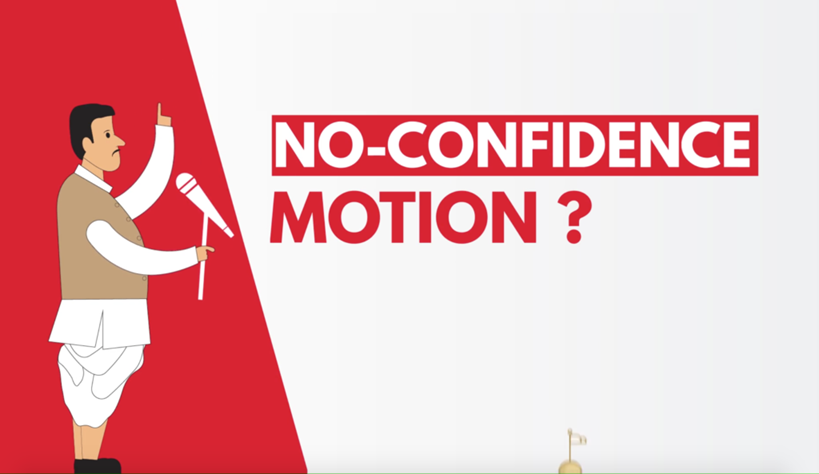
How No-Confidence Motions Against the Speaker Work
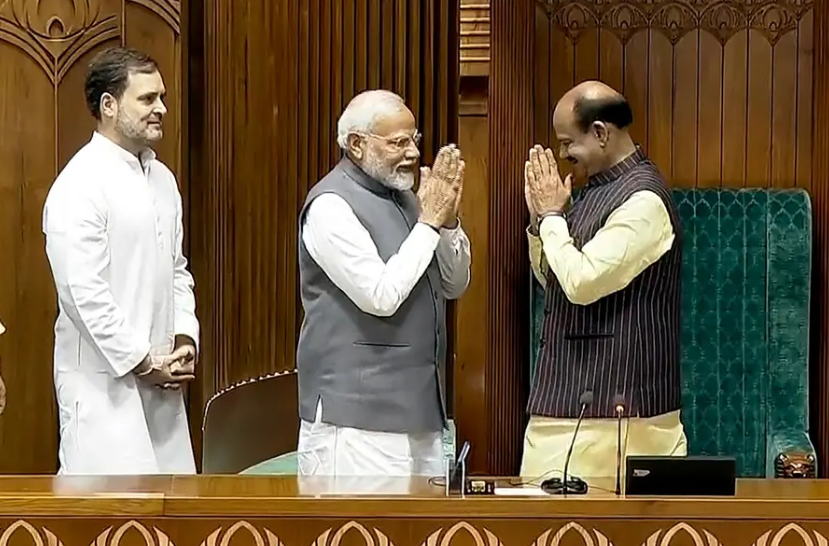
Key Parliamentary Rules
- A notice can be submitted by any member with the support of at least 50 MPs.
- The Speaker decides on its admissibility.
- If admitted, the House may debate and vote on it.
Historically, such motions have served more as symbolic protests than decisive parliamentary tools.
Impact on Lok Sabha Business
Tuesday’s disruptions once again stalled Question Hour and delayed legislative business. Several bills listed for discussion were deferred, adding to a growing backlog as the Budget Session witnesses repeated interruptions.
Parliamentary data show that productivity of the Lok Sabha has dipped sharply during recent sessions due to adjournments triggered by protests and counter-protests.
Political Context and Broader Implications
The Congress no-confidence motion against Lok Sabha Speaker Om Birla underscores the deepening trust deficit between the government and the Opposition. With crucial economic and governance-related legislation lined up, continued deadlock could affect timelines and policy rollouts.
Political analysts note that while the motion may not succeed procedurally, it raises uncomfortable questions about institutional neutrality and the shrinking space for debate in Parliament.
What Happens Next
The Speaker is expected to examine the notice and decide on its admissibility. Meanwhile, Opposition parties have indicated that protests will continue unless their demands for discussion are met. The government, however, has signalled it will push ahead with its legislative agenda.
Conclusion
The Congress no-confidence motion against Lok Sabha Speaker Om Birla marks a sharp escalation in parliamentary confrontation. As adjournments pile up and tempers remain high, the coming days of the session will test both parliamentary convention and political willingness to break the stalemate.
FAQs
Q: What is the Congress no-confidence motion against Lok Sabha Speaker Om Birla?
A: It is a formal notice by Opposition MPs alleging partisan conduct by the Speaker during Lok Sabha proceedings.
Q: Can a Speaker be removed through a no-confidence motion?
A: Yes, but only if the motion is admitted and passes with a majority—an extremely rare outcome.
Q: Why was the Lok Sabha adjourned?
A: Continuous protests and sloganeering disrupted proceedings, forcing adjournment till 2 pm.
Q: Has the Speaker responded to the allegations?
A: No formal response has been issued so far.
Q: Does the motion affect ongoing legislation?
A: Indirectly, yes, as repeated adjournments delay legislative business.
References
- https://economictimes.indiatimes.com/news/politics-and-nation/congress-rahul-gandhi-submits-notice-of-no-confidence-motion-against-lok-sabha-speaker-om-birla-to-secretary-general-parliament-budget-session/articleshow/128148262.cms?utm
- https://www.hindustantimes.com/india-news/opposition-submits-no-confidence-motion-against-lok-sabha-speaker-om-birla-101770710053203.html?utm