Dr. Biswendu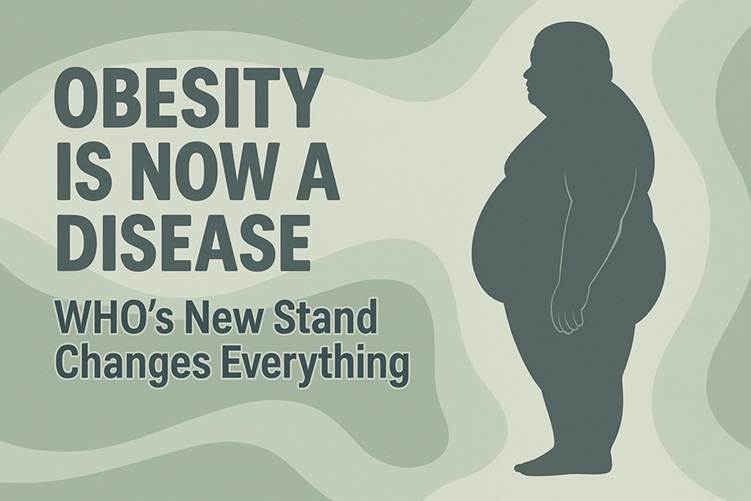
The World Health Organization now recognizes obesity as a chronic disease and recommends GLP-1 weight loss drugs such as Ozempic and Mounjaro as part of long-term treatment. Until now, the guidance was clear and limited: diet, exercise, and counselling. Now there is a a massive change. Explore how this decision reshapes global healthcare, access challenges, side effects, and the future of obesity management.
What Are GLP-1 Drugs?
GLP-1 medications mimic Glucagon-Like Peptide-1, a natural hormone that:
- Slows digestion
- Triggers insulin production
- Reduces appetite
- Promotes long-lasting fullness
Originally developed to treat diabetes, these drugs unexpectedly produced significant weight loss. That discovery turned GLP-1 medications into the world’s most sought-after “weight-loss drugs.”
Why WHO Has Endorsed Them Now
WHO’s previous guidelines treated obesity as a behavioural problem — eat less, move more.
The new directive marks a fundamental shift: obesity is a complex chronic disease, not a lack of willpower.
GLP-1 drugs can now be part of long-term treatment, alongside lifestyle changes. WHO stresses that medication is not a standalone solution, but a clinical tool within lifelong care.
Obesity Redefined
For decades, obesity carried stigma — a symbol of laziness, poor discipline, or personal failure.
WHO’s stance is clear:
- Obesity is a medical condition
- It has life-threatening consequences
- It deserves medical treatment, public health funding, and structured care
This reframing could reshape how governments, insurers, and healthcare systems treat more than 1 billion people worldwide living with obesity.
No, This Is Not a Green Light for Ozempic or Mounjaro
While the world associates the GLP-1 trend with blockbuster brands like Ozempic and Mounjaro, WHO is not endorsing specific products.
It is warning governments and companies of the challenges ahead.
The biggest barriers:
- Access: supply fits about 100 million people; demand exceeds 1 billion
- Cost: monthly doses are extremely expensive, especially in low-income countries
- Infrastructure:
- Doctors need training
- Clinics need protocols
- Insurance systems need coverage policies
- Governments must define eligibility
Without intervention, WHO fears GLP-1 drugs will widen the gap between rich and poor — both globally and within nations.
How Safe Are GLP-1 Drugs?
GLP-1 medications have transformed lives. They also carry serious risks.
Reported side effects include:
- Stomach paralysis and intestinal blockages
- Severe vomiting
- Gallstones
- Pancreatic inflammation
- Depression and suicidal thoughts
- Increased risk of womb cancer
- Eye damage in diabetic patients
These complications are rare — but real. Many hospitalizations stemmed from unsafe or unsupervised use.
The Biggest Hidden Truth: The Weight Comes Back
Influencers don’t mention it.
Patients often discover it too late.
When the medication stops, weight often returns.
Why? GLP-1 drugs suppress appetite; they do not cure obesity.
The underlying biology remains unchanged.
This is why WHO anticipates long-term or lifelong treatment for many patients.
GLP-1 drugs are powerful, not miraculous. They can help treat obesity, not cure it. WHO’s new stand is not the end of the fight — it’s the beginning of treating obesity as a real disease that requires real solutions, from lifelong care to equitable access. The next chapter depends on how responsibly the world listens.

 developer
 Digital Team