Digital Team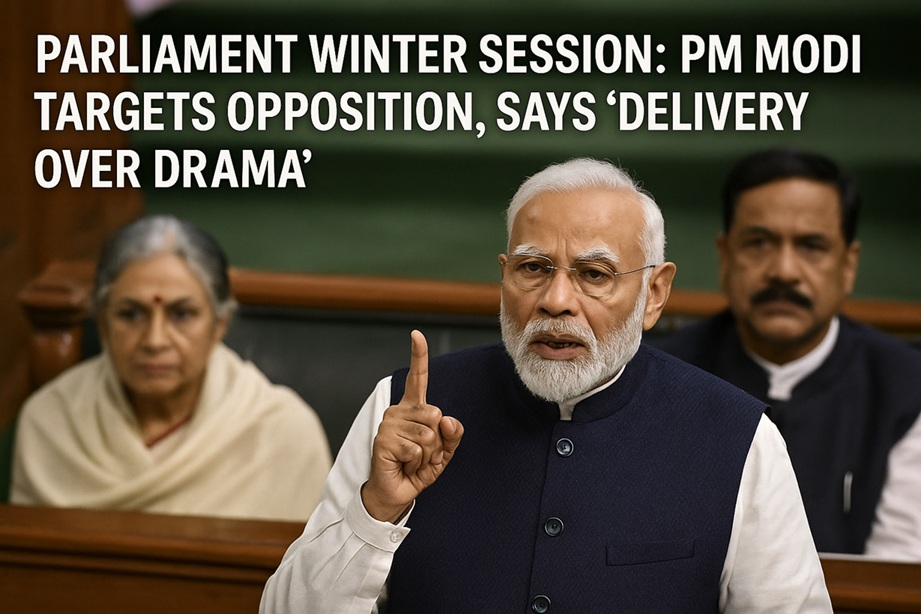
Prime Minister Modi Takes Aggressive Stance as INDIA Bloc Faces Multiple Setbacks
The Parliament Winter Session 2024 began with Prime Minister Narendra Modi delivering a pointed message to the Opposition, emphasizing that effective governance and policy delivery must supersede political theatrics. As the Lok Sabha and Rajya Sabha convened, the session immediately highlighted the growing divide between the BJP’s legislative agenda and the Opposition’s struggle to present a unified front.
PM Modi’s Strong Message on Democracy and Governance
Addressing media before the session commenced, PM Modi underscored India’s democratic heritage, stating that “India has lived democracy.” His remarks appeared directed at the INDIA Bloc, as he suggested that those preferring drama over substantive work are free to continue—but results emerge only from concrete policy action and accountability.
The Prime Minister urged Opposition leaders, including Rahul Gandhi and the Congress party, to move past electoral defeats and contribute constructively to parliamentary proceedings. In a characteristically assertive tone, Modi offered to provide “tips” if Opposition members found themselves unable to perform their duties effectively.
Three Critical Blows to Opposition Strategy
1. Lok Sabha Disruptions and Parliamentary Confrontation
The Winter Session 2024 opened amid significant tension as Opposition benches resorted to sloganeering and disruptions. The BJP maintained that debates should center on national priorities and legislative business rather than political agitation. Modi’s aggressive governance approach signaled a clear message: the government’s policy agenda will advance regardless of parliamentary disruptions.
The confrontation between BJP vs Congress intensified as the ruling party pushed forward with key bills while the Opposition struggled to coordinate their response.
2. Supreme Court Waqf Registration Ruling
In a major legal development affecting the Waqf Board, the Supreme Court rejected appeals from multiple Muslim organizations, including the Muslim Personal Law Board, seeking extensions for online Waqf property registration. The court ruled that objections must be addressed through appropriate tribunals, effectively ending attempts to delay the registration deadline.
This Supreme Court Waqf registration ruling represents a significant policy victory for the Centre and undermines the Opposition’s narrative on the issue. The decision requires all Waqf properties to be registered online within the stipulated timeframe, bringing transparency to the process.
3. Election Commission SIR Affidavit Exposes Misinformation
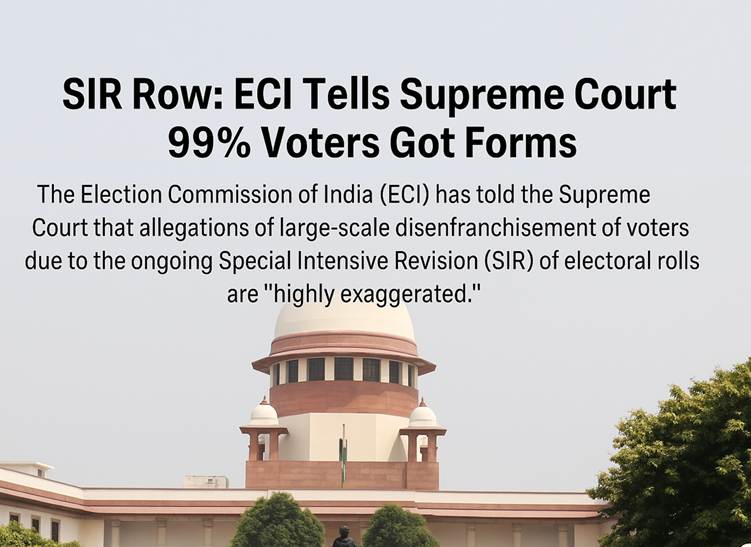
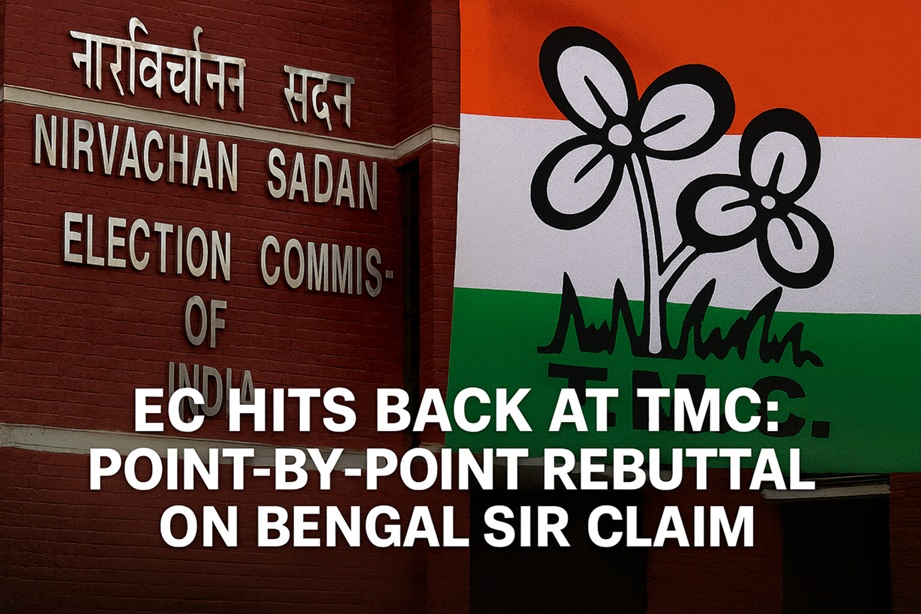
The Election Commission filed a crucial affidavit in the Supreme Court asserting that deliberate misinformation is being spread regarding the Special Intensive Revision (SIR) of electoral rolls for political advantage. This revelation came amid ongoing protests, particularly the West Bengal voter list controversy led by Mamata Banerjee’s TMC.
The Election Commission SIR affidavit directly challenged Opposition claims about the SIR process, including allegations of vote chori (voter theft) raised by Congress president Mallikarjun Kharge and Rahul Gandhi. The Commission’s statement undermined the foundation of protests orchestrated across multiple states.
INDIA Bloc Unity Crumbles: Leadership Crisis Deepens
The INDIA alliance continues to exhibit deep fractures, with the Rahul Gandhi leadership crisis becoming increasingly apparent. Despite Congress holding 99 Lok Sabha seats, giving Rahul Gandhi the position of Leader of Opposition, his authority within the bloc is being openly questioned.
Regional Leaders Distance Themselves
Key regional players have begun distancing themselves from Congress-led initiatives:
- Mamata Banerjee of the TMC has taken independent positions on multiple issues, including the SIR controversy
- Akhilesh Yadav of the Samajwadi Party has pursued a separate agenda, particularly on the SIR issue in Uttar Pradesh
- Both leaders are being discussed as potential alternative leaders of the Opposition alliance
This fragmentation has severely weakened the bloc’s ability to present a coordinated challenge to the government’s legislative agenda during the Parliament Winter Session.
Modi’s Aggressive Governance Strategy
PM Modi’s approach reflects a broader shift toward Modi aggressive governance across multiple fronts. From the Ayodhya temple consecration to outreach in Tamil Nadu, and stricter enforcement against illegal infiltration, the government is demonstrating that populist opposition tactics will not derail policy execution.
The BJP legislative strategy for this session includes pushing through several key bills despite anticipated disruptions. BJP president JP Nadda and Parliamentary Affairs Minister Kiren Rijiju have coordinated efforts to ensure the government’s agenda advances effectively.
All Party Meeting Highlights Divisions
The traditional all party meeting before the session revealed the extent of opposition disarray. While Congress raised issues of voter list manipulation and demanded discussions on the SIR process, regional parties showed limited enthusiasm for a unified approach. The lack of consensus at this preliminary meeting foreshadowed the challenges facing Opposition coordination throughout the session.
West Bengal Voter List Controversy Intensifies
The West Bengal voter list controversy has emerged as a flashpoint, with Chief Minister Mamata Banerjee’s government challenging the Election Commission’s SIR process. The TMC has alleged systematic removal of minority voters from electoral rolls, a claim the Election Commission has categorically denied in its Supreme Court affidavit.
This controversy represents a key element of the broader Akhilesh Yadav SIR issue and similar concerns raised by Opposition parties in Bihar and other states. However, the Election Commission’s legal position has significantly weakened these arguments.
Opposition Narrative Collapse
The confluence of Supreme Court rulings, Election Commission clarifications, and internal INDIA Bloc divisions has led to what analysts are calling an opposition narrative collapse. The three setbacks on the opening day of the Parliament session—parliamentary disruptions failing to gain traction, the Waqf registration ruling, and the SIR affidavit—have left Opposition parties struggling to recalibrate their strategy.
Rahul Gandhi, despite his formal role as Leader of Opposition, has been unable to rally the INDIA alliance around a coherent alternative vision. The Congress party’s attempts to frame issues around democratic principles and voter rights have been undercut by the Election Commission’s intervention and regional allies’ independent positioning.
Key Legislative Agenda and Parliamentary Business
As the Winter Session progresses, the government plans to introduce several key bills covering economic reforms, security legislation, and administrative changes. The Opposition’s ability to scrutinize and debate these proposals has been hampered by their internal divisions and the political capital lost in recent confrontations.
The session is expected to continue with heightened tensions between the treasury and opposition benches, with the BJP maintaining its assertive approach to governance and legislative business.
Indian Democracy Statement: Modi’s Vision
PM Modi’s Indian democracy statement emphasized that India’s democratic tradition is built on constructive debate, accountability, and results-oriented governance rather than disruption and theatrics. This framing positions the government as the defender of parliamentary norms against what it characterizes as obstructionist opposition tactics.
The Prime Minister’s confident tone reflects the BJP’s assessment that recent developments—from electoral victories to judicial outcomes—have strengthened its position while exposing Opposition vulnerabilities.
Political Analysis: Momentum Shift
The opening of Parliament Winter Session 2024 marked a significant political moment. The government entered the session with considerable momentum following favorable Supreme Court rulings and Election Commission positions. Meanwhile, the INDIA Bloc faces an uphill battle to regain narrative control and demonstrate effective opposition.
Mamata Banerjee’s political stance of maintaining independence from Congress while remaining nominally part of the alliance reflects the pragmatic calculations of regional leaders. Similarly, Akhilesh Yadav has prioritized Samajwadi Party interests over bloc unity, further complicating Opposition coordination.
Conclusion: Governance Over Drama
PM Modi’s “delivery over drama” message encapsulates the government’s approach for this parliamentary session. With judicial backing on contentious issues, a fragmented opposition, and a clear legislative agenda, the BJP appears positioned to advance its policy priorities despite expected resistance.
The Parliament Winter Session 2024 has begun with the government on the offensive and the Opposition on the defensive—a reversal of the dynamic many Opposition leaders hoped to establish. As debates continue in both the Lok Sabha and Rajya Sabha, the question remains whether the INDIA alliance can overcome its internal divisions and mount an effective challenge to the government’s agenda.